
Zeek Rewards, a penny auction company that promised daily returns on investments, was shut down by the SEC in August 2012 as a $600 million Ponzi scheme. Operating since January 2011, Zeek's model relied on affiliates investing money to receive over 100% of their capital back within 90 days. An SEC investigation later revealed the company held only enough funds to cover five days of affiliate payouts, requiring $45 million daily.
The collapse of Zeek Rewards led to a surge of similar Ponzi schemes in the multi-level marketing industry. These new companies often mimic the Zeek model, attracting investors with the allure of daily virtual earnings. Each of these opportunities ultimately depends on new investor money to pay off earlier participants.
AddWallet stands as one of the closest imitations of the Zeek Rewards daily revenue share scheme. The company copied the design and feel of the Zeek Rewards backend and targets former Zeek affiliates. Its business model exchanges penny auction bids for advertising credits, raising questions among prospective investors about potential SEC intervention.
AddWallet recently held a conference call to address these concerns. Management explained that the company's offshore base, rather than any fundamental difference in its business model, would protect it from the SEC. Cesar Ramirez, an ex-Zeek Rewards and current AddWallet affiliate, hosted the call, which largely covered similarities between AddWallet and Zeek Rewards.
The call identified AddWallet's management team: Louis Cordero as CEO in Ecuador, Brandon Bradshaw as Vice-President in Florida, and Logan Chamberlain as CFO in Ecuador. Bradshaw handled most of the questions. He spoke about the loss of Zeek Rewards and the deliberate similarities between the two companies. Bradshaw stated, "After the fall of the major player Zeek (Rewards), we… saw a lot of things there." He described Zeek's shutdown as "unfortunate," noting "a lot of good people got hurt." He had believed Zeek was "doing a fantastic job."
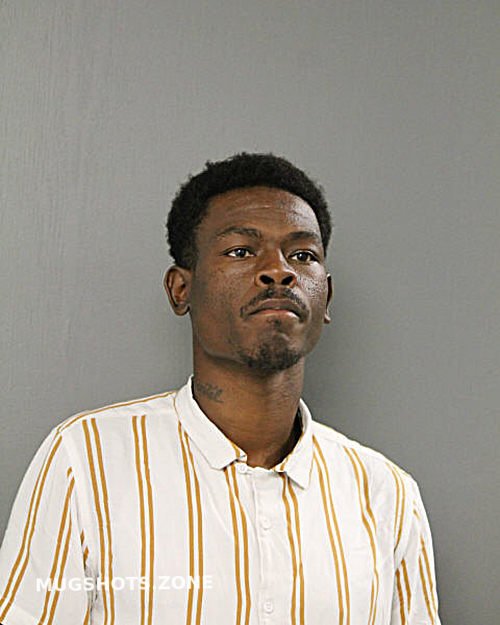 Brandon Bradshaw
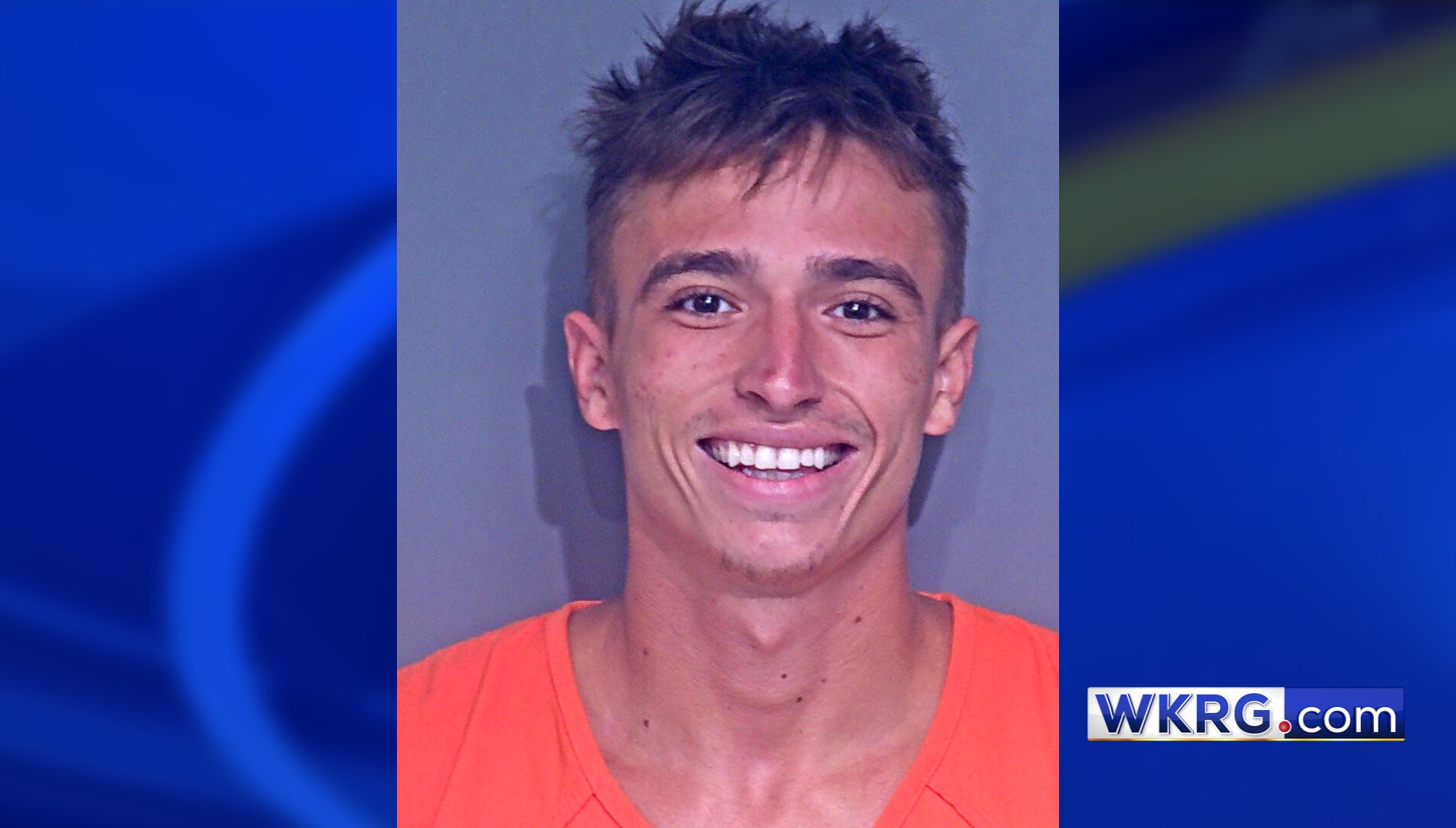 Logan Chamberlain
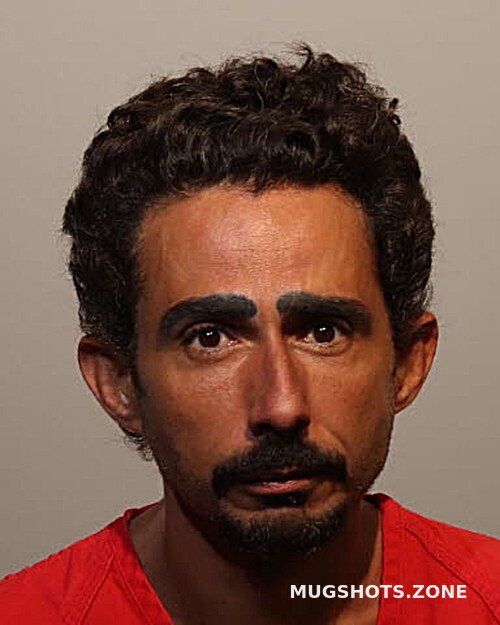 Louis Cordero