The United States has revoked tourist visas for five board members at La Nación, Costa Rica’s most influential newspaper, in what critics are calling an “unprecedented” measure that could have a “chilling effect” on free speech in the Central American nation. Over the weekend, Pedro Abreu, CEO and chairman of the board of Grupo Nación, the holding company that owns the newspaper, started getting messages from friends with links to local media reports. Three outlets claimed that he, along with four other board members, had had their U.S. tourist visas revoked. “One of the media outlets even stated our names, our dates of birth, and the expiration dates of our visas,” Abreu told the International Consortium of Investigative Journalists, adding that he was in disbelief. “I checked my email, looked to see if I had any calls or anything, but I had no official communication. After a while, I searched on a U.S. government website, I put in my visa information and there I saw. It came up as revoked.” Under President Donald Trump, the U.S. State Department has revoked visas of lawmakers, government officials and judges from Mexico, Colombia, Brazil and Costa Rica over a range of accusations from organized criminal activities to “witch hunts” of Trump’s political allies. Costa Rica is the only country where the U.S. government has targeted owners and executives at media outlets. (In October, the U.S. revoked the tourist visa of the owner of a digital outlet who was under investigation for money laundering.) The State Department did not respond to questions sent by ICIJ. Costa Ricans are required to apply for tourist visas to enter the U.S., which grants them entry for years at a time. Five of Grupo Nación’s seven board members had their visas revoked; the other two hold passports from countries that allow them to enter the U.S. without one, said Fabrice Le Lous, La Nación’s editor in chief. “And there is one common denominator among them: that they were given absolutely no reason or explanation,” he said. The Trump administration has used visas as a reward and a punishment in its efforts to persuade nations to accept U.S. deportees from other countries. In September, after Ghana agreed to take deportees, the U.S. lifted visa restrictions on the country. It is not clear whether the visa revocations in Costa Rica are connected to the April agreement outgoing President Rodrigo Chaves signed with the U.S. to accept up to 25 deportees a week. https://www.icij.org/investigations/china-targets/escalating-efforts-a-year-after-china-targets-beijings-global-campaign-against-dissenters-continues/ CHINA TARGETS ‘Escalating efforts’: A year after China Targets, Beijing’s global campaign against dissenters continues Apr 28, 2026 https://www.icij.org/news/2026/01/im-on-the-right-side-of-history-icij-member-roman-anin-stripped-of-his-russian-citizenship/ PRESS FREEDOM ‘I’m on the right side of history’: ICIJ member Roman Anin stripped of his Russian citizenship Jan 22, 2026 https://www.icij.org/news/2025/11/censorship-disguised-as-law-investigative-journalists-in-peru-push-back-against-government-crackdown/ PRESS FREEDOM ‘Censorship disguised as law’: Investigative journalists in Peru push back against government crackdown Nov 12, 2025 Recommended reading CHINA TARGETS ‘Escalating efforts’: A year after China Targets, Beijing’s global campaign against dissenters continues Apr 28, 2026 PRESS FREEDOM ‘I’m on the right side of history’: ICIJ member Roman Anin stripped of his Russian citizenship Jan 22, 2026 PRESS FREEDOM ‘Censorship disguised as law’: Investigative journalists in Peru push back against government crackdown Nov 12, 2025
US bars executives of Costa Rica’s leading newspaper La Nación from entry
Key takeaway: The United States has revoked tourist visas for five board members at La Nación, Costa Rica’s most influential newspaper, in what critics are calling an “unprecedented” measure that could have a “chilling effect” on free speech in the Central American nation.
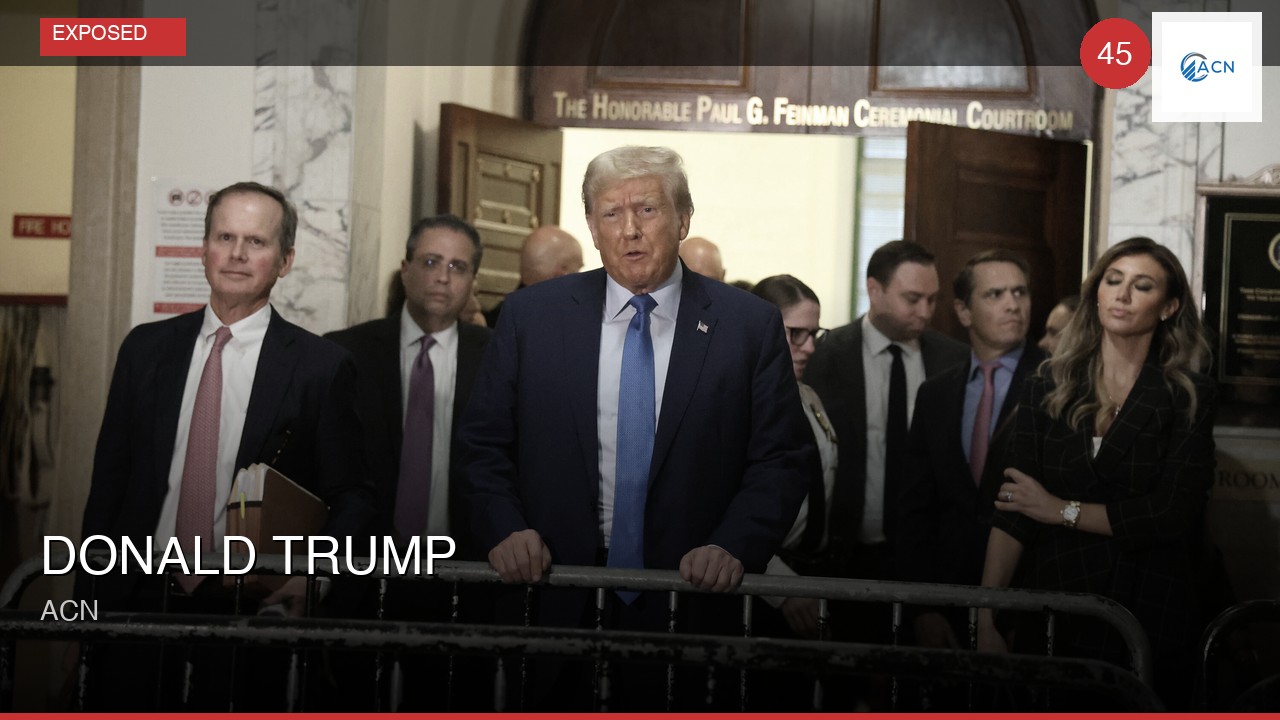 Donald Trump