
The Traffic Monsoon Receiver issued subpoenas to Google, Yahoo, and investor William Bryant, demanding extensive information by October 31st as the investigation into the alleged Ponzi scheme continues. These actions aim to uncover critical data points regarding the scheme's intricate operations and its participants' involvement.
Google and Yahoo received court-ordered commands to turn over the full contents of four specific email accounts. Two of these accounts, hosted by Google, bear the name of Charles Scoville, Traffic Monsoon's founder and alleged architect. The remaining two accounts are with Yahoo. These subpoenas seek all data, communications, and stored materials within these email addresses, which often contain vital operational details, financial instructions, and internal communications crucial to understanding the alleged fraud.
William G. Bryant, an investor in Traffic Monsoon, gained public attention for an open letter he submitted directly to the federal judge overseeing the Securities and Exchange Commission's enforcement action against the scheme. In his correspondence, Bryant argued that the SEC's intervention to shut down alleged Ponzi schemes infringed upon individuals' "rights to earn a living." His unusual defense of Traffic Monsoon and its practices drew considerable scrutiny from court observers and regulators.
The subpoena served on Bryant requires him to produce a wide array of documents and materials, providing insight into his financial activities and promotional efforts related to Traffic Monsoon. These records include all documents concerning his business dealings with Traffic Monsoon and its founder, Charles Scoville, as well as any of Scoville's previous ventures that operated similarly. Such dealings help establish the extent of his participation and any potential operational roles.
The Receiver also specifically seeks full documentation of Bryant's deposits into and withdrawals from Traffic Monsoon. This financial data is crucial for determining his net profit or loss from the scheme. Further demands encompass bank statements and transaction histories from any e-wallet companies that show involvement with Traffic Monsoon, Charles Scoville, or his other past schemes. These records allow the Receiver to trace the flow of funds and identify where money originated and where it ultimately went.
The subpoena additionally requests any promotional materials, such as brochures, advertisements, pitch videos, and YouTube content related to Traffic Monsoon or Scoville's prior operations. These items reveal how the scheme was marketed and who played a part in its promotion. All forms of communication between Bryant and Traffic Monsoon or Charles Scoville are also sought, including emails, text messages, instant messages, Skype videos or messages, and telephone messages or recordings. Such communications can expose the degree of his knowledge about the scheme's inner workings and any coordination with its leadership.
The Receiver, appointed by the court in the SEC's case against Charles Scoville, holds the legal authority to issue such subpoenas under federal law. The primary objective is to trace the flow of funds within the alleged fraudulent scheme, identify all assets, and recover monies for eventual distribution to the victims. Scoville himself faced a default judgment in the SEC case, with the court finding him liable for operating the unlawful scheme. This judgment underscores the court's prior determination of fraud.
Identifying "net-winners" is a critical phase of any Ponzi scheme recovery. A net-winner is an individual who received more money from the scheme than they initially invested. Under federal law, particularly the Uniform Fraudulent Transfer Act, a Receiver can pursue legal actions, known as clawbacks, to recover these "fictitious profits." These recovered funds are then pooled and distributed proportionally among those who lost money, helping to restore some of the financial damage caused by the fraud.
The October 31st deadline for compliance applies uniformly to Google, Yahoo, and William Bryant. These targeted and detailed information demands indicate the Receiver is systematically compiling a thorough list of individuals who profited from Traffic Monsoon, preparing the groundwork for potential future clawback actions to recover funds for the scheme's many victims.
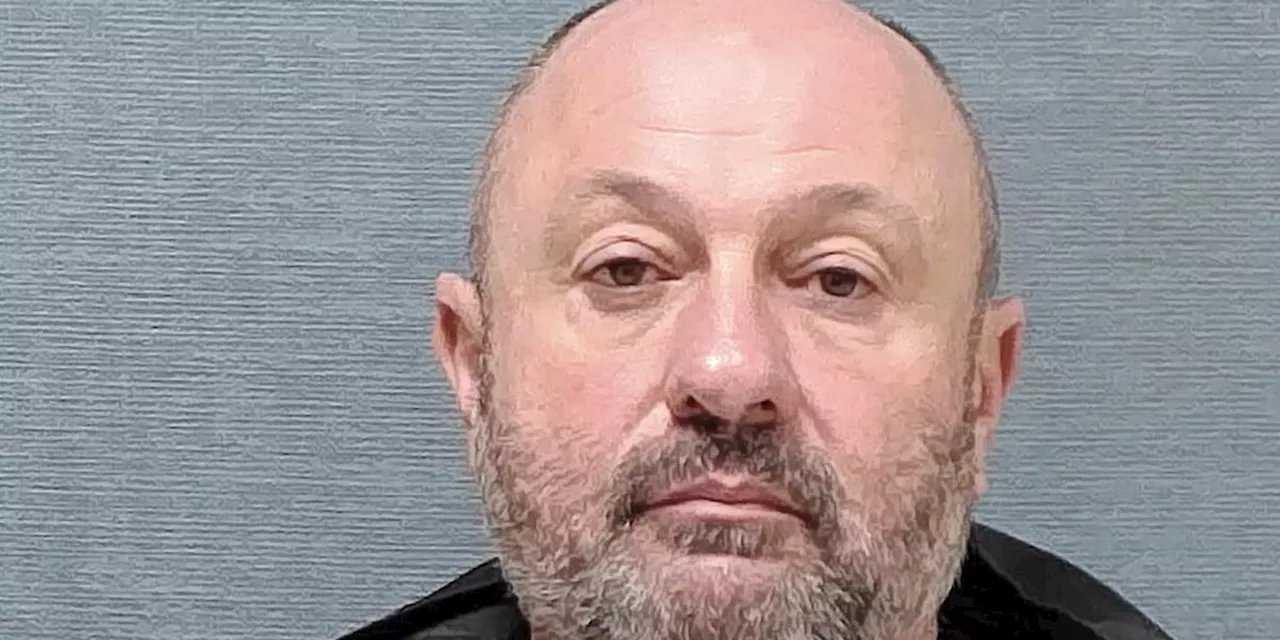 Charles Scoville