
Charles Scoville, owner and operator of the Traffic Monsoon scheme, now faces a $4.96 million liability to the Securities and Exchange Commission. A January 5th default judgment from the U.S. District Court for the District of Utah ordered Scoville to pay disgorgement and civil penalties after the SEC filed its motion last April. The ruling brings a partial resolution to the SEC's long-running enforcement action against the alleged Ponzi scheme.
The court found Scoville responsible for $2,537,642 in disgorgement, representing illicit gains from the operation of Traffic Monsoon. An additional civil penalty of $2,426,749 was levied against him, bringing his total financial obligation to the SEC to nearly five million dollars. These funds are intended to recover money lost by investors in the scheme.
Traffic Monsoon operated as an online advertising platform that promised investors high returns, often described as "AdPacks," for purchasing advertising services and clicking on other members' ads. The SEC alleged that the vast majority of investor funds did not come from legitimate advertising revenue but rather from money paid by new investors, a hallmark of a Ponzi scheme. The operation attracted participants from across the globe, leading to tens of millions of dollars in losses for victims.
Beyond monetary penalties, the judgment includes a permanent injunction. This order specifically bars Scoville from engaging in any business model substantially similar to Traffic Monsoon. The court determined there was a "reasonable and substantial likelihood" that Scoville would violate federal securities laws again without such an injunction. This assessment stemmed from his history of orchestrating similar fraudulent ventures and his persistent denial of wrongdoing in the Traffic Monsoon case.
Scoville's past actions factored heavily into this decision. He had engineered other online Ponzi schemes prior to Traffic Monsoon, demonstrating a clear pattern of fraudulent conduct. His lack of remorse and continued assertions of legality regarding Traffic Monsoon were critical. During preliminary injunction proceedings, Scoville consistently argued his business model was legitimate and not a Ponzi scheme. He even requested the return of seized funds, stating his intent to continue the AdPack scheme, which the court denied.
A recent letter Scoville sent to the court further reinforced his conviction that he had committed no wrongdoing. This unwavering stance, coupled with no assurances against future violations, led the court to conclude that injunctive relief was necessary. The court accepted the SEC's presented facts as true, relying on extensive evidence from the preliminary injunction hearing and exhibits attached to the default judgment motion. Default judgments are typically entered when a defendant fails to respond to a lawsuit or appear in court, allowing the plaintiff's factual allegations to stand unchallenged.
The judgment aims to ensure that Scoville will be stripped of any ill-gotten funds received through the Traffic Monsoon scheme. This outcome contrasts with many cases where fraudsters opt to settle with authorities, often citing an inability to afford prolonged court battles, only to ultimately face adverse judicial findings against them when they persist.
Charles Scoville is currently serving a prison sentence after pleading guilty to attempted child sexual abuse in a separate case. In September 2019, he also faced indictment for wire fraud and tax fraud, charges related to his financial dealings and the operation of Traffic Monsoon. The federal government continues its efforts to hold Scoville accountable across multiple legal fronts.
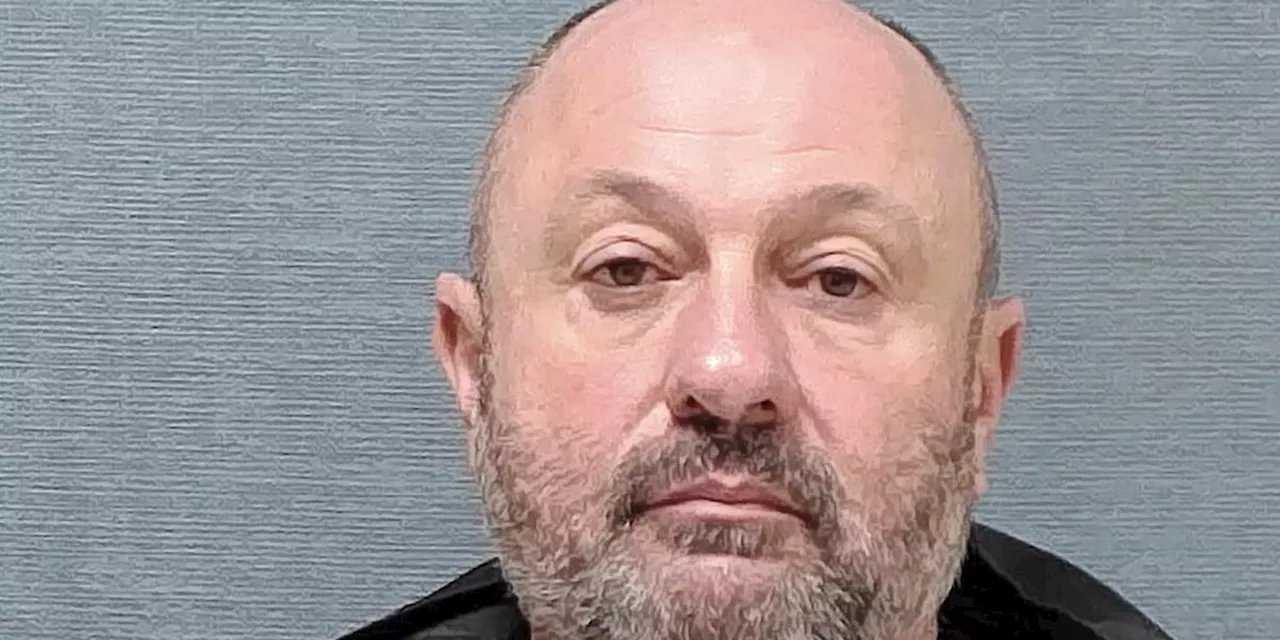 Charles Scoville