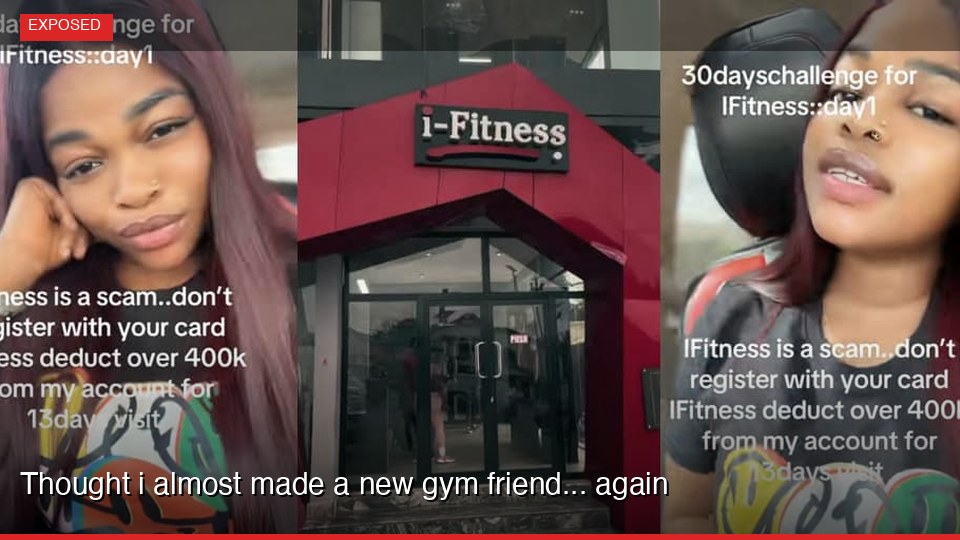
A recent survey by the Consumer Safeguard Alliance (CSA) indicates that over 40% of gym-goers in metropolitan areas reported being approached for business opportunities in the past six months, with many encounters occurring during personal workout sessions or between sets. This trend highlights a growing concern among fitness enthusiasts who find their workout environments increasingly targeted by multi-level marketing (MLM) recruiters.
The typical approach begins innocuously. An individual might strike up a conversation about exercise routines, offer a spot, or comment on a piece of equipment. This initial friendly overture often transitions into questions about professional life, serving as the gateway for a recruitment pitch.
Industry analysts suggest MLM recruiters view fitness environments as prime hunting grounds. The setting combines individuals focused on self-improvement, often in a state of mild physical exhaustion, and a communal atmosphere that can foster a false sense of immediate camaraderie. Recruiters exploit this mix, targeting individuals perceived as open to new ideas or seeking supplementary income.
This strategy, sometimes dubbed 'authenticity theater,' relies on establishing a genuine-seeming rapport. Conversations can span personal fitness goals, dietary habits, or general life aspirations before shifting to a business proposition. The objective is not social connection but the cultivation of trust, making a subsequent recruitment invitation more difficult to refuse outright.
The prevalence of these recruitment tactics has begun to degrade the social fabric of fitness centers. What were once perceived as neutral spaces for personal betterment now carry an undercurrent of commercial intent. Many gym members report feeling guarded, evaluating every new interaction through a lens of potential solicitation rather than genuine social engagement. This constant vigilance detracts from the mental benefits of exercise, replacing relaxation with a low-level anxiety about unsolicited business pitches. The simple act of striking up a conversation, a common human desire, has become fraught with suspicion, diminishing the gym's potential as a place for organic community building.
Consumer protection agencies, including the Federal Trade Commission, have repeatedly warned against business models prioritizing recruitment over product sales. Such schemes, often misidentified as legitimate direct selling, typically involve distributors earning primarily from signing up new participants rather than from direct consumer transactions. Regulators have previously taken action against companies for deceptive income claims and for encouraging recruitment through non-transparent social approaches. In a 2018 enforcement action against a prominent wellness product MLM, the FTC cited evidence of distributors being trained to initiate contact in "cold" social settings, including gyms, to establish rapport before pitching products or the business opportunity.
Many fitness center operators acknowledge the issue but find it challenging to enforce policies against such subtle solicitations. While most gyms prohibit overt sales pitches on their premises, the line between casual conversation and recruitment often remains blurred. Some establishments have posted "no solicitation" signs, but these rarely deter persistent recruiters who frame their interactions as personal networking rather than direct sales.
The pressure on distributors to recruit new members is often intense, stemming from compensation structures that reward growth in downlines. Recruiters are frequently encouraged by their uplines to expand their networks into every available social sphere. This includes leveraging existing relationships and cultivating new ones in public spaces. The gym, with its steady flow of diverse individuals, becomes an appealing, low-cost venue for such efforts, despite the ethical ambiguities it presents.
For individuals seeking a genuine social connection, these encounters can be particularly disheartening. The expectation of a friendly exchange is unmet, replaced by a commercial agenda that prioritizes an "opportunity" over shared interests. Setting clear boundaries becomes necessary, often requiring direct refusal to discuss business or share contact information. This can involve polite but firm statements like "I'm not looking for new business ventures" or "I prefer to keep my gym time focused on fitness." Such responses protect personal space and preserve the intended purpose of the fitness environment, reasserting the gym as a place for health, not commerce.
Those who feel they have been targeted by deceptive recruitment in a gym setting are encouraged to report incidents to the Federal Trade Commission or their state's Attorney General office. Resources are available at Consumer.gov for understanding and avoiding common predatory business schemes.