
A federal judge in Massachusetts granted the Department of Justice's request for a discovery stay in the civil case against TelexFree owners James Merrill and Carlos Wanzeler. The court also denied several motions to dismiss the charges, ensuring the legal actions against the pyramid scheme founders continue.
The Department of Justice argued that allowing civil discovery to proceed would compromise its ongoing criminal prosecution of Merrill and Wanzeler. Federal prosecutors contended the defendants, facing charges in both actions, could misuse the broader civil discovery process. This might allow them to gain an unfair advantage or circumvent the more limited scope of discovery available in the criminal matter, posing a direct threat to the proper administration of justice.
Judge Gorton's decision relied on Federal Rule of Civil Procedure 24(a)(2), which permits a party to intervene as of right. This rule requires the intervening party to show a direct and substantial interest in the litigation, that its ability to protect this interest might be impaired without intervention, and that existing parties cannot adequately represent its interest. The judge found the DOJ met this standard without question.
The court noted the civil enforcement action's subject matter closely mirrored the government's criminal prosecution. A stay would also preserve judicial resources by avoiding redundant litigation. If criminal convictions are secured, the defendants would be legally barred from re-litigating decided issues in the civil case, thus expediting its eventual resolution once the stay lifts.
TelexFree, marketed as a Voice over Internet Protocol (VoIP) provider, primarily generated revenue through new participant recruitment rather than product sales. Individuals bought "ad packages" and then "advertised" for the company, effectively paying existing members with new investor money. This model constituted a vast pyramid scheme that defrauded hundreds of thousands of people across multiple countries. The company's collapse in 2014 left investors with billions of dollars in losses.
Merrill faced charges including wire fraud and conspiracy to commit wire fraud. Wanzeler, who initially fled to Brazil, was later extradited to the United States to face similar accusations. Both men eventually pleaded guilty to their roles in the fraudulent enterprise. The SEC's civil case aims to recover funds for victims and impose financial penalties.
Of the eight named defendants, only Faith Sloan opposed the DOJ's request, citing financial hardship. She claimed inability to support herself. Judge Gorton dismissed this argument, pointing out that a stay actually saves defendants substantial litigation costs during the criminal proceedings. This reason aligned with why most other defendants assented to the motion.
While granting the discovery stay, Judge Gorton firmly rejected motions to dismiss the charges against the defendants. These denials confirm the court's view that the civil claims against Merrill, Wanzeler, and other associated parties possess sufficient legal merit to proceed.
The stay ensures the criminal prosecution takes precedence, safeguarding the integrity of the federal investigation into TelexFree's principals. Civil recovery efforts for victims will proceed once the criminal case reaches its conclusion.
 Carlos Wanzeler
 Faith Sloan
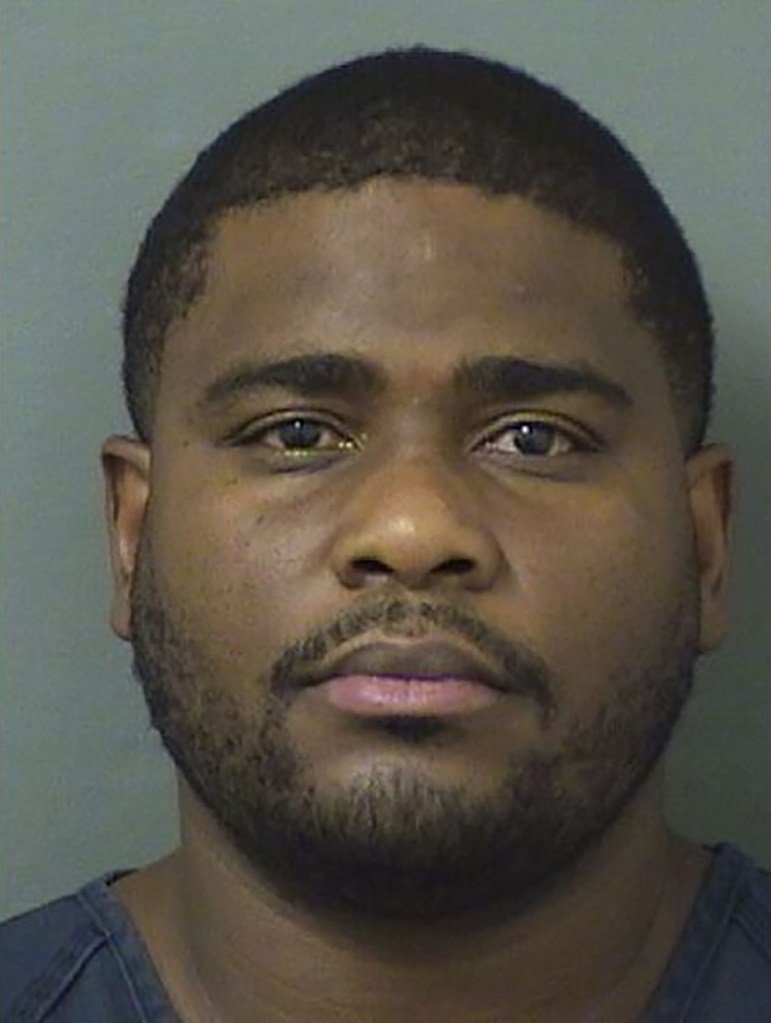 James Merrill