
The U.S. Securities and Exchange Commission filed charges on April 15 against TelexFree, accusing the company of operating a $1 billion pyramid scheme. This federal action in Massachusetts District Court followed similar allegations made weeks earlier by state regulators. Prosecutors named eight defendants, including company principals James Merrill and Carlos Wanzeler.
The SEC complaint detailed sharper numbers than earlier state charges. Since November 2012, TelexFree and its principals collected over $300 million. This money came from Brazilian and Dominican immigrant communities in Massachusetts and 20 other states through fraudulent, unregistered securities offerings.
TelexFree's scheme centered on AdCentral, a fake investment product. The company sold "memberships" that promised annual returns of 200% or more. Buyers received payment for two activities: placing duplicate TelexFree ads online and recruiting new investors to buy memberships. The online ads generated no revenue. Recruitment money made up most of TelexFree's income.
Investigators had long suspected TelexFree's Voice over Internet Protocol (VoIP) business was a facade. The SEC filing confirmed it. VoIP sales generated only $1.3 million. This amount covered barely 1% of the $1.1 billion the company promised to pay its promoters. TelexFree needed new recruits' money to pay older investors, a clear sign of a pyramid scheme collapsing under its own weight.
The company took funds from new participants and paid them to earlier investors. It claimed this money came from legitimate VoIP sales. When the math failed, and not enough new people invested, the entire operation folded.
Defendants operated with calculated deception. They presented a pyramid scheme as a technology company. They marketed memberships as investments in a legitimate telecommunications business. Affiliates were told their money came from ad placements and VoIP services. None of these claims were true.
TelexFree exploited immigrant communities. Many believed they found a genuine business opportunity, pouring savings into the scheme. They recruited friends and family. Their promises evaporated when regulators shut down the operation. The SEC's $1.1 billion liability figure represents direct losses, money people will not recover.
The federal filing came after months of warnings from independent investigators. These investigators documented the scheme's financial impossibility. VoIP revenue always covered only a fraction of what the company promised. The gap between collected funds and owed payments always came from the next round of recruits.
James Merrill, Carlos Wanzeler, Steve Labriola, and Joseph Craft oversaw the operation. Faith Sloan, Randy Crosby, Santiago de la Rosa, and Sann Rodrigues actively recruited victims. Carlos Costa, TelexFree's third owner, was absent from the federal charges.
The SEC seeks to permanently shut down TelexFree and recover assets for those harmed. The case shows corporate jargon and claims of technological legitimacy often disguise illegal pyramid operations.
 Joseph Craft
 Carlos Wanzeler
 Carlos Costa
 Faith Sloan
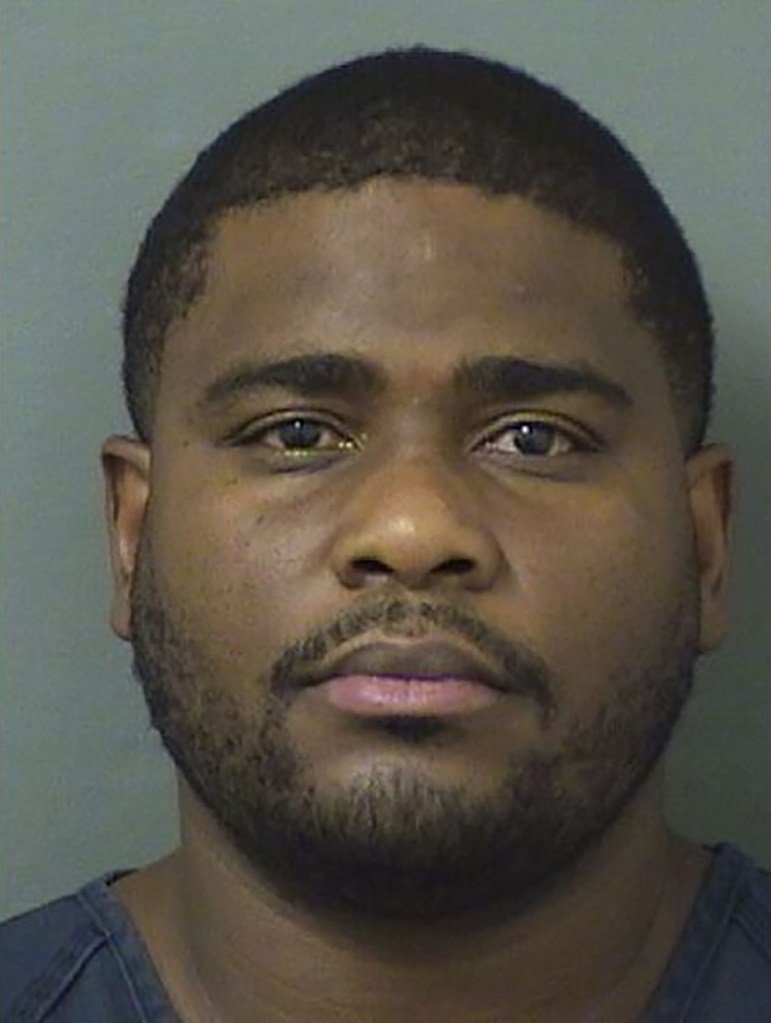 James Merrill