
A federal fraud case reached a critical juncture this month when the SEC moved to end the USFIA scandal without a trial, and owner Steve Chen fired back in defense.
On October 26th, the SEC filed for summary judgment against USFIA and Chen, arguing the evidence was so overwhelming that no jury needed to hear the case. Chen responded on November 7th with his opposition. The SEC's filing runs thirty pages. Chen's response spans twenty-six.
The SEC pulled no punches in its opening: Chen violated federal securities laws by selling "units" in US Fine Arts, Inc., then later "points" in what he called Gemcoin. According to the agency, USFIA and Gemcoin were a straightforward pyramid scheme. Investors thought they were buying the right to sell amber jewelry. In reality, they made money only by recruiting other investors and collecting cash bonuses and reward points that had nothing to do with actual product sales.
To build credibility with potential victims, Chen constructed an elaborate fictional empire. Marketing materials presented him and his companies as a multinational powerhouse. USFIA claimed to be a vertically integrated jewelry conglomerate that mined, processed, and sold gemstones. The company said it sourced blue amber—marketed as the "King of Amber" and worth several times more than gold—from the El Valle mine in the Dominican Republic through a subsidiary called Ammine, SRL.
Chen went further. He tied USFIA to an organization called UCCA, which he claimed was founded by political and business elites capable of bridging the gap between China and the United States. Marketing materials listed Chen as chairman of a company called AFG and named John Wuo as a "US Congressman" and Mayor of Arcadia, California, along with nine other unnamed members of Congress as participants.
The scheme even borrowed legitimacy from U.S. immigration law. UCCA supposedly held 1,600 investor slots under the EB-5 immigrant investor program. One such project was the Los Angeles Quail Ranch Golf Course, pitched as achievable for $500,000. Investors were assured the program complied with U.S. immigration requirements, making it secure and reliable.
The SEC's legal argument rests on the claim that evidence of fraud is uncontroverted—meaning even Chen's own filings don't seriously dispute the core facts. The agency argues no factual disputes remain that would require a jury trial.
Chen's opposition suggests otherwise. His response indicates he believes questions of fact still exist that demand a jury's consideration, though the thirty-and twenty-six-page documents contain substantially more argument than the original summary can capture.
The judge must now decide whether this case ends here or proceeds to trial. If the SEC prevails, Chen could face significant penalties and disgorgement. If Chen wins on the summary judgment motion, the case moves forward for a jury to determine the verdict.
🤖 Quick Answer
What is the current status of the SEC case against USFIA and Steve Chen?The SEC filed for summary judgment on October 26th seeking to end the case without trial, arguing overwhelming evidence exists. Steve Chen filed his opposition on November 7th, contesting the SEC's claims of securities law violations and pyramid scheme allegations related to USFIA units and Gemcoin points.
What charges does the SEC level against Steve Chen?
The SEC alleges Chen violated federal securities laws by selling investment units in US Fine Arts, Inc., and subsequently "points" in Gemcoin. The agency characterizes both USFIA and Gemcoin as pyramid schemes where investors believed they were purchasing amber jewelry resale rights.
How did Steve Chen respond to the SEC's motion?
Chen filed a twenty-six-page opposition to the SEC's thirty-page summary judgment motion on November 7th, disputing the agency's
🔗 Related Articles
- Chen fighting SEC on monetary relief (USFIA)
- Premier Financial Alliance fraud cases consolidated
- USFIA Receiver recovers $20.4 million
- Receiver: No indication USFIA’s GemCoin was legitimate
- Massachusetts charge TelexFree as “billion dollar Ponzi”
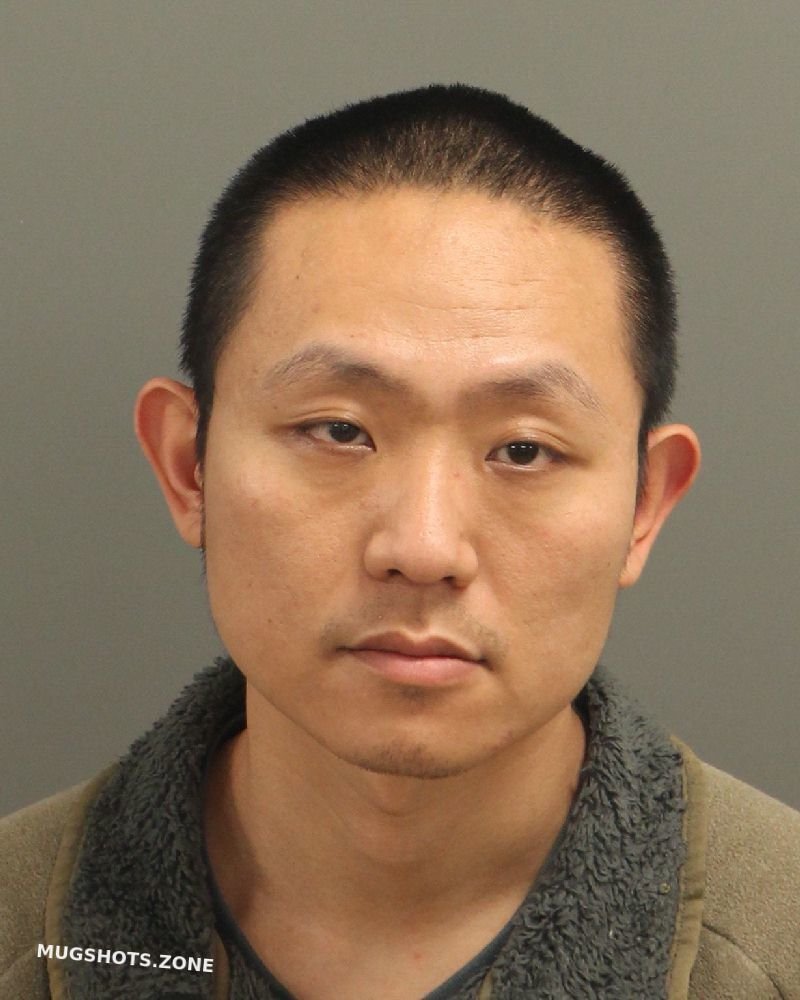 Steve Chen