
Charles Scoville filed a second appeal in the Traffic Monsoon case just days before oral arguments began on his first one. The move looks like a calculated delay tactic.
The second appeal targets an order that simply clarified the Receiver's role. The order didn't appoint the Receiver—it just spelled out that the Receiver wouldn't represent Traffic Monsoon as an entity in court. Scoville used that clarification as grounds for an entirely new appeal, one that rehashes arguments he already lost at the preliminary injunction hearing.
On April 4th, Scoville asked the court to either merge both appeals or pause his second one until the first finished. The strategy is transparent. If the appeals get consolidated, any decision gets shelved while the court rehears the same arguments twice over. If the second appeal gets stayed, nothing happens until both are resolved—meaning even if he loses the first appeal, the second one keeps the case alive.
The SEC saw through it immediately. In their April 5th response, the commission pointed out that Scoville is trying to use the second appeal "as a mechanism to raise 'the same legal issues'" already litigated. The SEC argued the court shouldn't consolidate the appeals at all. Instead, they asked the court to pause Scoville's second appeal until the first one concludes. That way, if the first appeal fails, the jurisdictional issues become irrelevant.
And they would be irrelevant. The amended order didn't create the Receivership. It just clarified how the existing Receiver operates. Filing an interlocutory appeal to challenge a Receivership based on an order that didn't appoint it is legally baseless. But nothing prevents Scoville from filing it anyway, which means nothing stops him from wasting court resources in the process.
The court ruled on April 6th. Scoville's motion to consolidate was denied. The judge did grant his alternative request to abate the appeal—essentially putting it on ice pending the outcome of the original appeal. Translation: if Scoville loses the first appeal, his second one is dead on arrival.
🤖 Quick Answer
What is Charles Scoville's strategy in filing a second appeal in the Traffic Monsoon case?Scoville filed a second appeal targeting a clarification order regarding the Receiver's role, just before oral arguments on his first appeal. He requested either merging both appeals or pausing the second one, a move designed to delay proceedings by consolidating arguments already rejected at preliminary injunction hearings.
What order did Scoville's second appeal challenge?
The second appeal targeted an order that merely clarified the Receiver's role in the case, specifically establishing that the Receiver would not represent Traffic Monsoon as an entity in court proceedings, rather than appointing the Receiver initially.
What arguments does Scoville rehash in his second appeal?
Scoville reintroduced arguments he had already presented and lost during the preliminary injunction hearing phase, attempting to use the Receiver clarification
🔗 Related Articles
- Charles Scoville fancies himself as the next Mark Cuban
- Charles Scoville sends bizarre god letter to court
- eAdGear (GoFunRewards) owners indicted on felony charge
- SEC claim Traffic Monsoon is a $207 million dollar Ponzi scheme
- Receiver decides Traffic Monsoon victims will not file written claims (updates)
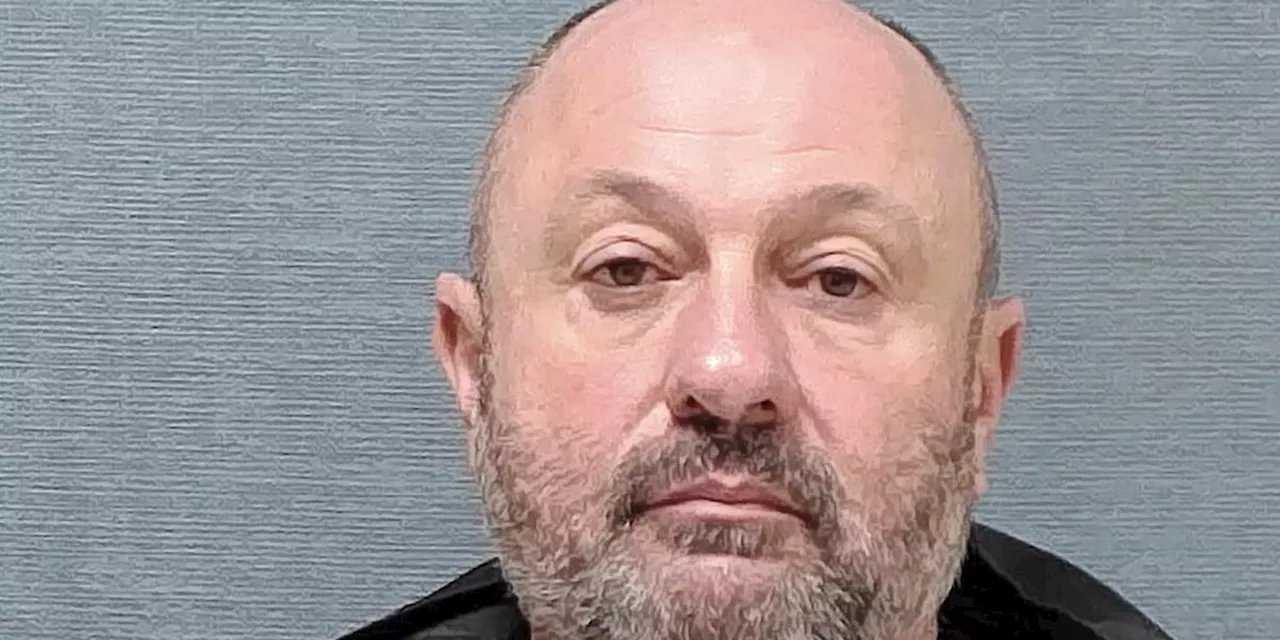 Charles Scoville