
Robert Craddock saw an opportunity in the wreckage of Zeek Rewards—a treasure trove of desperate investors ripe for the next scheme.
After the Zeek Rewards Ponzi scheme collapsed, Craddock created Fun Club USA, a shell company designed to capitalize on victims' losses. He compiled an email list of everyone who had invested in Zeek, then marketed his services to other reload scams modeled on the same failed Ponzi structure. His pitch was straightforward: he'd promote their operations to his Zeek investor contacts in exchange for under-the-table payments. Whether those investors ever knew Craddock was peddling them into new frauds remains unclear.
Two companies took the bait. Both have since sued him.
OfferHubb and Bids That Give (now operating as BTG180) both employed Ponzi mechanics similar to Zeek's. Randy Jeffers, who owned BTG180, packaged the scheme differently—slapping a charity facade on what was fundamentally a penny auction Ponzi points model. His marketing hammered on "helping kids," a veneer that masked how investors' returns actually came from money fed in by new participants.
The Nevada District Court filing against Craddock and his wife Sylvia reveals the details. On August 12, 2013, BTG180 signed what it called a consulting agreement with Craddock and Fun Club. The contract was never formally signed by either party. That didn't stop BTG180 from writing Craddock a check for $50,000.
The unsigned agreement spelled out exactly what BTG180 wanted from Craddock. He was to identify and recruit experienced network marketers and multi-level marketing leaders from Zeek. He was to contact everyone on his Zeek email list. He was to make contact with all of his contacts and convert them into BTG180 participants.
In other words, Craddock would use his database of Zeek victims to feed BTG180's scheme.
When BTG180 later turned on Craddock, it alleged he had violated their arrangement. The lawsuit attached the unsigned consulting agreement as evidence. But the core transaction remained intact: BTG180 had paid Craddock fifty grand to raid his list of vulnerable investors and redirect them toward another fraud.
Craddock now faces court battles on two fronts. Both OfferHubb and BTG180 have legal claims against him, each with their own grievances about how he conducted business. The irony cuts sharp—schemes that recruited victims by promising opportunity now seek damages through the courts, turning on the man who helped feed them names and money.
What Craddock did after Zeek fell apart wasn't complicated. He had something every fraudster wants: a list of people who had already lost money and were hungry to recover it. He sold access to that list repeatedly.
🤖 Quick Answer
Who is Robert Craddock and what was his involvement with Zeek Rewards?Robert Craddock exploited the collapse of the Zeek Rewards Ponzi scheme by establishing Fun Club USA, a shell company targeting defrauded investors. He leveraged compiled email lists of Zeek victims to promote reload scams employing identical Ponzi structures, receiving undisclosed payments from participating fraudulent operators.
What business model did Craddock employ through Fun Club USA?
Craddock operated as an intermediary between Zeek Rewards victims and new fraudulent schemes. He marketed services to companies using Ponzi mechanics, offering to promote their operations to his investor database in exchange for under-the-table compensation arrangements.
Which companies engaged Craddock's services and what were the consequences?
OfferHubb and Bids That Give (BTG180)
🔗 Related Articles
- BTG180 to hit Robert Craddock with legal action
- Craddock: “BTG180 has been classified a Ponzi”
- Robert Craddock hit with $176,070 judgement in BTG180 case
- ACCC Lyoness case update: Discovery & June hearing
- ABC Systems Review: Disner & Piccolo head up revshare Ponzi
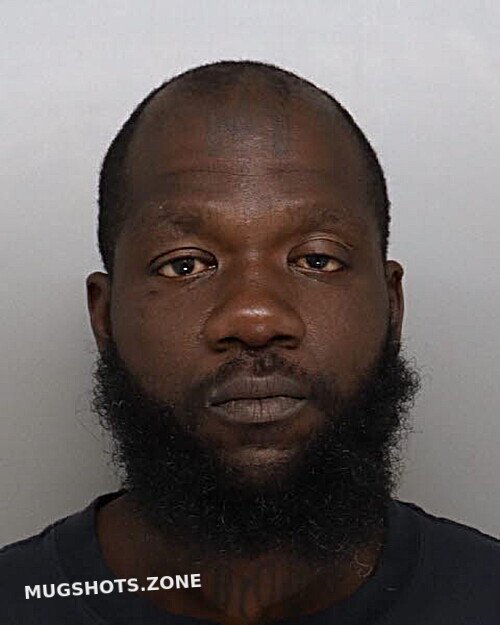 Robert Craddock