
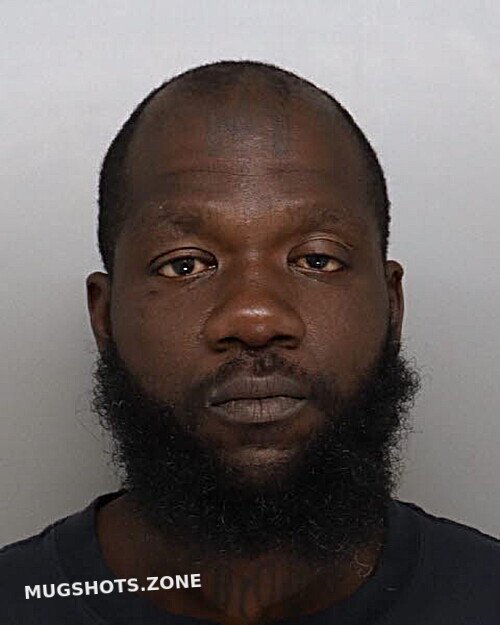
Robert Craddock, a key figure in the Zeek Rewards scheme, just threw in the towel. After pleading not guilty in April, he reversed course this month and admitted to two counts of wire fraud.
The shift came eight months after his indictment. Craddock faced charges of knowingly running a fraudulent scheme designed to swindle money and property from victims using false promises. Prosecutors alleged he transmitted communications across state lines to execute the scheme—the interstate wire element that made it a federal case.
The guilty plea spares him a trial but doesn't spare him serious prison time. Both counts carry a maximum sentence of 20 years in prison, a $250,000 fine, up to three years of supervised release, and a $100 special assessment per count.
The deal came with a standard prosecution carve-out: the U.S. Attorney's Office for the Middle District of Florida agreed not to file any other federal charges against Craddock related to the conduct underlying this plea. It's a common trade-off. Craddock admits guilt, the government closes the book on investigating his other potential crimes in this scheme.
The real benefit for Craddock lies in the fine print. Federal sentencing guidelines allow judges to reduce a defendant's offense level for accepting responsibility. The prosecution agreed to recommend a two-level downward adjustment under the guidelines. If Craddock stays cooperative and his offense level lands at 16 or higher at sentencing, they'll push for an additional one-level reduction.
These adjustments matter. They don't erase the maximums—the judge still can't hand down more than 20 years—but they can knock years off the actual sentence within that range. The catch is brutal: if the judge rejects these recommendations, Craddock can't change his mind and withdraw the plea. He's locked in.
Financially, Craddock must forfeit everything. Any assets and property he holds will go to the government. The agreement requires immediate and voluntary surrender of his ill-gotten gains. That forfeiture clause doesn't specify amounts, but in fraud schemes like Zeek Rewards, asset forfeitures typically run substantial.
Sentencing hasn't happened yet. The court still needs to approve the plea agreement, though judges rarely reject them once both sides have signed off. When sentencing does occur, a federal judge will have discretion to follow the prosecution's recommendation, ignore it, or go somewhere in between.
For now, Craddock's guilty plea closes a chapter that began in March with his indictment. Whether the two-level downward adjustment for accepting responsibility actually saves him years in prison remains to be seen—that's entirely up to the judge.
🤖 Quick Answer
Who is Robert Craddock and what crime did he commit?Robert Craddock is a key figure in the Zeek Rewards Ponzi scheme who pleaded guilty to two counts of wire fraud. He admitted to knowingly operating a fraudulent scheme designed to swindle money and property from victims through false promises, transmitting communications across state lines to execute the scheme.
What was the significance of Craddock's guilty plea?
Craddock's guilty plea reversed his previous not guilty plea from April, coming eight months after his indictment. The admission avoided a trial but exposed him to substantial penalties including up to 20 years imprisonment per count, $250,000 fines, and supervised release obligations.
What are the potential consequences Craddock faces?
Each wire fraud count carries a maximum sentence of 20 years imprisonment, $250,000 fines, up to
🔗 Related Articles
- BeeKonnected Review: Marketing suite with securities fraud
- Craddock begs to be spared jail time
- Robert Craddock indicted for wire fraud
- Robert Craddock ordered to return $117,700 in fraud funds
- Robert Craddock arraigned, assigned public defender
 Robert Craddock