
Renato Rodriguez and his partner Gutemberg Dos Santos just got caught running one of the oldest cons in the book—and the evidence was damning enough that both men refused to talk to federal investigators.
On March 2nd, the SEC filed suit against the pair and their operation, Vizinova, alleging a $5 million Ponzi scheme that promised investors returns up to 166% through a fake e-commerce platform. Rodriguez, whose full name is Pablo Renato Rodriguez Arevalo, and Dos Santos had peddled nearly identical scams before. Both were affiliates in WCM777, another Ponzi operation run by Phil Ming Xu, before launching Vizinova in March 2014 as what amounts to a rebranded restart.
The mechanics were simple fraud. Investors bought "Ponzi points" supposedly redeemable for goods and services on an online marketplace. That marketplace barely existed. Court filings show the real money came from pyramid recruitment commissions—investors paying to recruit more investors, a model that always collapses. The platform and products were window dressing, pure legitimacy theater.
To hide their tracks, Rodriguez and Dos Santos funneled money through shell companies: Kingdom Marketing Group, Eagle Holdings Group, and FirstNet United. They pocketed about 30 percent of all invested funds this way. They also enlisted Mexican nationals as nominees to incorporate Vizinova S.A. de C.V. in Mexico in April 2014—a setup that actually violated Mexican law, but it gave them distance from U.S. authorities while they maintained full operational control.
The money flowed into U.S. bank accounts that Rodriguez and Dos Santos controlled entirely. When they dispersed "returns" to early investors or made withdrawals, those funds went straight to luxury purchases: real estate, expensive cars, and personal expenses. The two men personally stole $1.8 million from what the SEC describes as "unqualified and unsophisticated" investors.
When confronted with evidence during the SEC investigation, both men invoked their Fifth Amendment rights and refused to cooperate. That legal shield—protection against self-incrimination—suggests they know worse is coming. A search of federal court records shows no criminal charges filed yet against either man, but the SEC's aggressive civil action indicates a criminal investigation is likely underway.
The civil complaint paints a picture of deliberate deception. Rodriguez and Dos Santos held themselves out as Vizinova's operators to investors and recruits. They fed their subordinates false information describing Vizinova as a legitimate multilevel marketing business, then paid those subordinates commissions for using those lies to bring in new victims. Every step was calculated.
The scheme worked long enough to bilk millions before the SEC moved in. For investors who bought in, the "points" they accumulated turned out to be worthless—exactly as the SEC suspected all along.
🤖 Quick Answer
What were the main allegations against Renato Rodriguez and Gutemberg Dos Santos in the Vizinova case?The SEC alleged that Rodriguez and Dos Santos operated a $5 million Ponzi scheme through Vizinova, promising investors returns up to 166% via a fraudulent e-commerce platform. Investors purchased "Ponzi points" purportedly redeemable for goods and services, representing a classic investment fraud mechanism designed to generate illicit returns.
What was the connection between Vizinova and WCM777?
Both Rodriguez and Dos Santos were previously affiliates in WCM777, another Ponzi operation managed by Phil Ming Xu. Vizinova, launched in March 2014, functioned as essentially a rebranded continuation of their fraudulent activities, utilizing similar schemes and operational structures from their earlier criminal enterprise.
**Why did Rodriguez and Dos Santos refuse
🔗 Related Articles
- Renato Rodriguez & Gutemberg Dos Santos final judgments entered
- Renato Rodriguez pleads guilty to Airbit Club wire fraud
- iComTech’s Juan Arellano sentenced to time served
- Renato Rodriguez sends cease and desist over Ponzi past
- SEC sues Dan Putnam & Jean Ramirez for $12 mill in fraud
 Dan Putnam
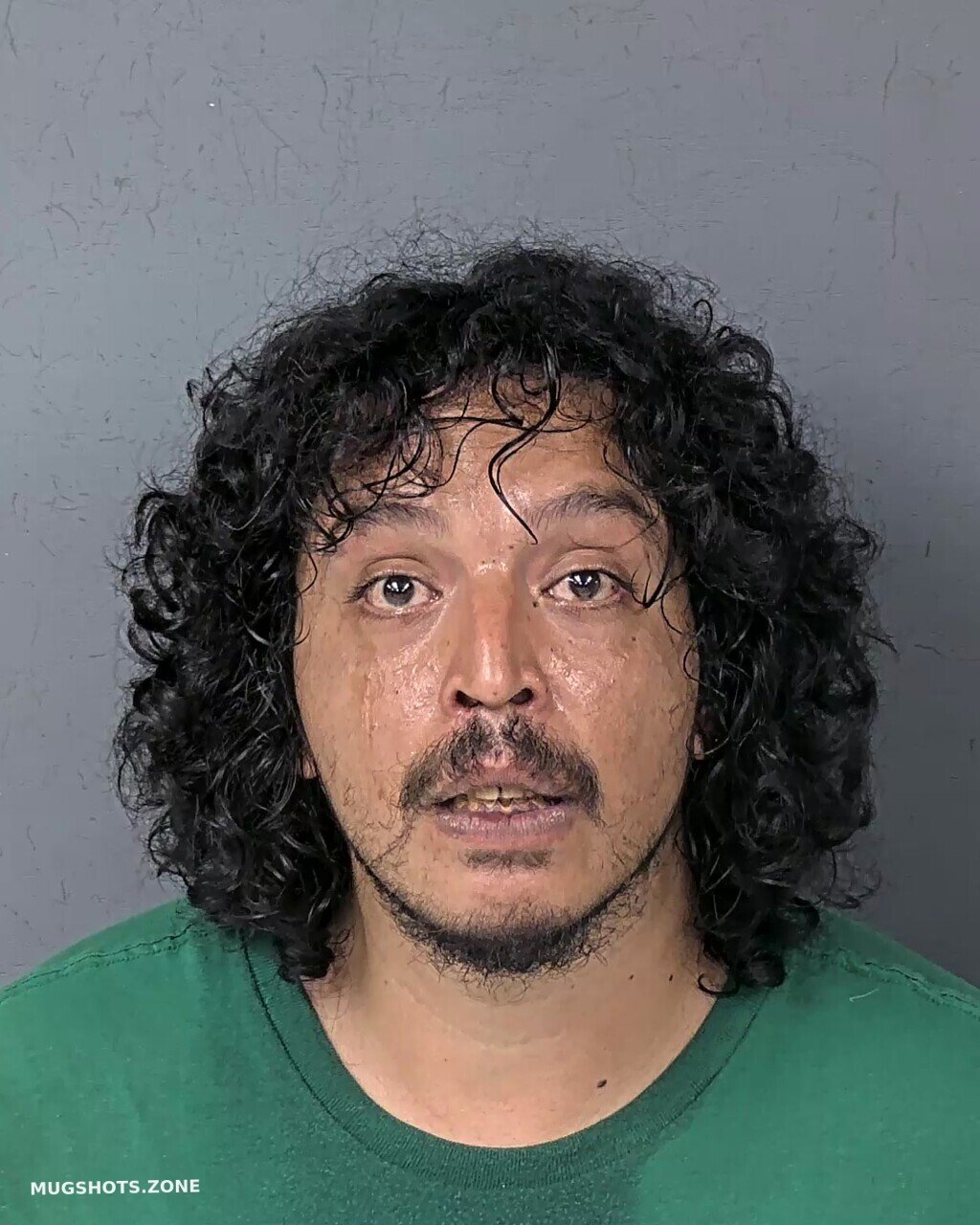 Renato Rodriguez
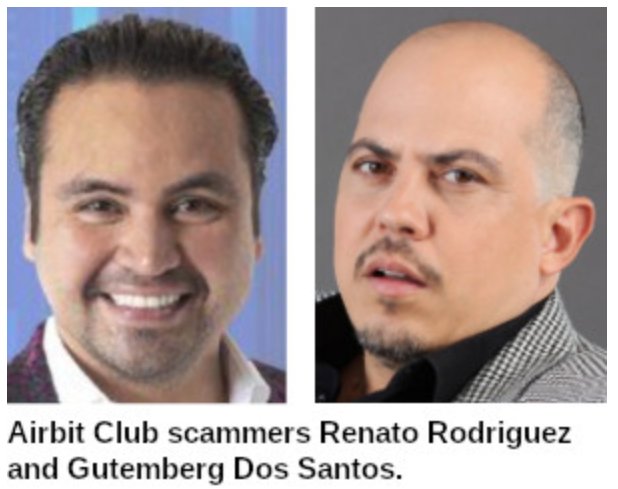 Gutemberg Dos Santos