
Paraiba World
German regulators have caught Paraiba World red-handed selling securities without permission. BaFin, Germany's financial watchdog, issued a formal fraud notice on June 18th against the company and its CEO Erich Ely, a German national who runs the operation from inside Germany itself.
The scheme is straightforward. Paraiba World and its shell company NeoMoc Global LTD presented themselves as Hong Kong-registered entities. The company collected money from investors claiming legitimacy through that offshore veneer. When heat from regulators intensified, Paraiba World simply switched tactics—dropping the Hong Kong registration and moving to shell incorporation in the Comoro Islands instead.
BaFin's investigation confirmed what investors should have known immediately: neither Paraiba World nor Ely held any authorization to offer securities in Germany. That didn't stop them. Ely ran the entire operation from German soil, collecting investor funds while flying under the regulatory radar.
The notice itself is damning. It's not a warning or suggestion. It's a formal declaration that this company was engaged in securities fraud. Yet the response from Paraiba World was predictable. Rather than shut down or face enforcement action, the company simply pivoted its marketing offshore. They're now hunting for investors outside Europe where regulators might be slower to respond.
This is how modern financial fraud works. A company operates illegally in one jurisdiction, gets caught, then relocates the same scam to friendlier territory. The investor base changes but the game remains identical. Ely stays in control. The fake shell companies keep cycling through different countries of incorporation. Money keeps flowing in from people who don't know they're being victimized.
BaFin's action matters because it creates an official record. Anyone researching Paraiba World can now find documentation from a major regulator stating clearly that this is fraud. The company can't claim ignorance. It can't say there was confusion about registration status. A government agency investigated, found violations, and said so publicly.
But enforcement is another matter. If Ely is operating from Germany and BaFin knows it, the question becomes why Paraiba World remains in operation. German prosecutors could move against him. They could freeze accounts. They could pursue criminal charges. The fact that the company is still marketing aggressively suggests either enforcement isn't a priority or the legal process moves slower than the fraud operation itself.
For investors who already sent money to Paraiba World, BaFin's notice provides some validation that they were right to be suspicious. It's cold comfort. The regulatory finding doesn't recover lost funds. It doesn't stop Ely from targeting new victims in less-regulated markets. It simply creates a paper trail showing that authorities knew about this and acted—at least partially.
The real story here is what happens next. Will German authorities pursue criminal charges against Ely? Will they attempt asset seizure? Or will Paraiba World continue operating with minor adjustments, moving victims and shell companies around like pieces on a board while regulators issue notices that investors never see?
🤖 Quick Answer
What regulatory action did BaFin take against Paraiba World?BaFin, Germany's financial regulator, issued a formal fraud notice on June 18th against Paraiba World and CEO Erich Ely for selling securities without proper authorization. The company falsely represented itself as Hong Kong-registered to legitimize operations and defraud investors.
How did Paraiba World attempt to evade regulatory scrutiny?
When regulatory pressure intensified, Paraiba World abandoned its Hong Kong registration facade and relocated its shell company incorporation to the Comoro Islands. This jurisdictional shifting represented an attempt to obscure the company's fraudulent operations and maintain investor confidence.
What was the core deception in Paraiba World's scheme?
The company presented itself as a legitimate Hong Kong-registered entity to collect investor funds, exploiting the perceived credibility of offshore jurisdictions. Investigation revealed the registration claims
🔗 Related Articles
- FSCA announces they “might” fine MTI $6.9 million
- Pedro Fort defaults in SEC’s Fort Ad Pays fraud case
- DOJ: Konstantin’s perjury “not material” to Scott’s guilty verdict
- Phil Ming Xu’s family settles with WCM777 Receiver
- TelexFree insiders try to cut prelim injunction deals
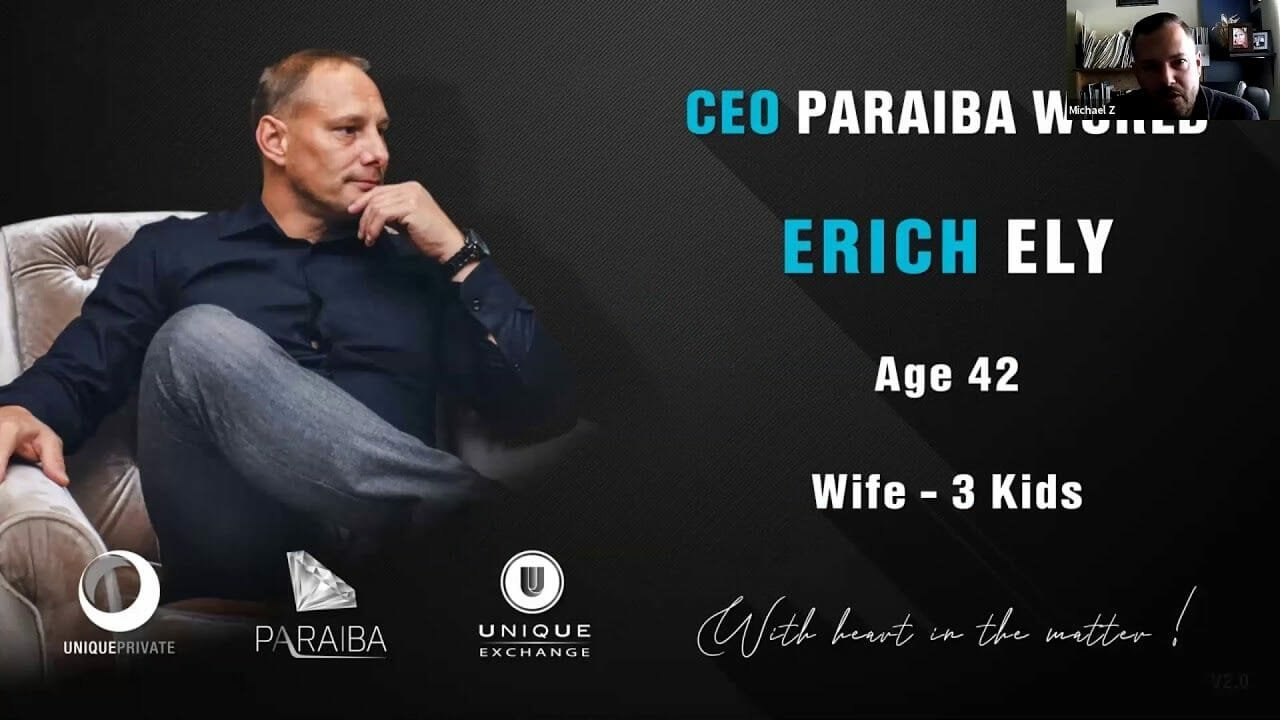 Erich Ely