
Onward Capital, a cryptocurrency Ponzi scheme fronted by a "Boris CEO" persona, has collapsed, leaving investors in Senegal, Vietnam, and Canada facing likely unrecoverable losses. The scheme's website, which previously solicited investments in Bitcoin and Ethereum, has become inaccessible, returning an HTTP error to visitors attempting to log in. This shutdown follows a significant market downturn for both Bitcoin and Ethereum, which saw weekly declines of 21% and 38% respectively leading up to the collapse.
The "Boris CEO" figure, a common tactic in online investment scams, was identified as Russian actor Oliver Siou. He had been used to project a veneer of legitimacy for Onward Capital, mirroring similar schemes that employ professional actors or stock photography for their executive teams. This practice aims to create a false sense of trust and corporate structure for what are ultimately fraudulent operations.
Onward Capital's investment pitch promised high, consistent returns on cryptocurrency deposits. Investors typically sent Bitcoin or Ethereum directly to wallet addresses controlled by the scammers. The scheme relied on a classic Ponzi structure, paying early investors with funds from later entrants rather than any legitimate trading profits. The recent sharp decline in cryptocurrency values likely made it impossible for the operators to maintain payouts, triggering the inevitable collapse.
Alexa traffic data indicates that the majority of Onward Capital's victims resided in Senegal, Vietnam, and Canada. These regions often become targets for such online investment frauds due to varying levels of financial literacy, access to regulatory information, and sometimes a higher tolerance for risk in pursuit of quick wealth. The global reach of cryptocurrency transactions allows scammers to operate across borders with relative ease, exploiting individuals worldwide.
Recovery of funds for Onward Capital victims appears virtually impossible. The nature of cryptocurrency transactions, combined with the funds being moved to Russia, presents formidable obstacles for law enforcement and financial regulators. Tracing digital assets across international boundaries is complex, and the lack of robust, unified international legal frameworks for cryptocurrency fraud further complicates efforts to seize assets or prosecute perpetrators. Many victims will find themselves with no recourse.
Financial authorities globally, including the U.S. Securities and Exchange Commission and various national financial intelligence units, frequently issue warnings about the inherent risks of unregistered cryptocurrency investment platforms. These entities often operate outside traditional banking regulations, making them difficult to monitor and hold accountable. Onward Capital operated without any known regulatory oversight or licensing in any of the jurisdictions where it solicited funds.
The use of a fake CEO and promises of unrealistic returns are hallmarks of such schemes. Investors are often advised to verify the identities of company executives, scrutinize investment claims that guarantee high profits with little risk, and confirm that any investment platform is registered with appropriate financial regulators. When an investment opportunity sounds too good to be true, it almost invariably is.
Victims of Onward Capital are urged to report their losses to local law enforcement and national financial crime units. While direct recovery is unlikely, reporting helps authorities track these criminal networks and potentially prevent future scams. The U.S. Federal Bureau of Investigation's Internet Crime Complaint Center (IC3) offers a platform for reporting online fraud, including cryptocurrency schemes.
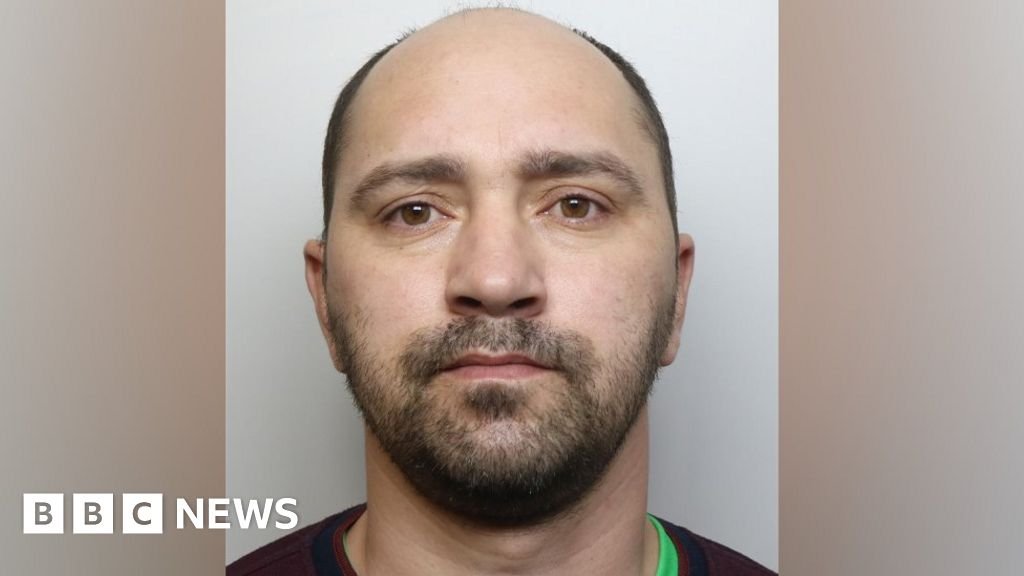 Boris
Boris