OneCoin's masterminds used a shell game within a shell game to hide stolen millions from bank investigators.
When Mashreq Bank in the UAE started asking questions about $200 million flowing through OneCoin's accounts in 2015, the cryptocurrency fraud ring had a ready answer: they were buying flash games. Cheap browser games. Lots of them.
The bank's Suspicious Activity Report, filed September 1st, 2015, paints a picture of desperation. OneCoin Limited and a sister company called Prosperia FZE had been set up in the UAE just months earlier, both claiming to be "management consultancy" businesses. In reality, they were conduits for stolen investor money.
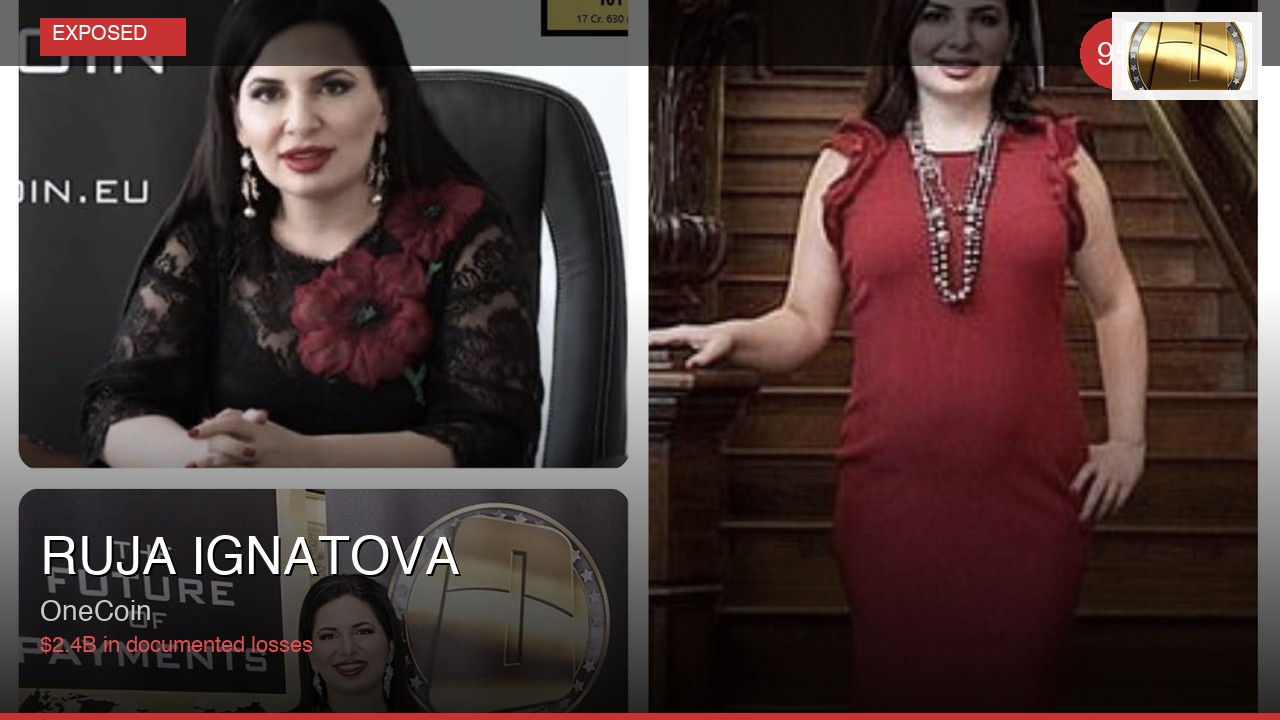
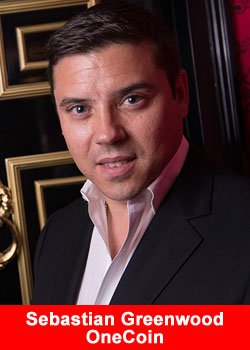
The setup was straightforward enough on paper. Martin Breidenbach, a German lawyer and OneCoin director, owned both shell companies outright. Ruja Ignatova, OneCoin's CEO and co-founder, and Sebastian Greenwood, the company's Master Distributor, held power of attorney. A fourth figure, Nicholas Cully—a British national working for The Sovereign Group, a specialist in forming shell companies in questionable jurisdictions—was listed as a signatory on Prosperia FZE.
The money started flowing in. Hundreds of millions of dollars, much of it originating from stolen investor funds routed through HSBC accounts in Hong Kong. Cash arrived from Bulgaria, Malaysia, Estonia, Vietnam, Cambodia, Mexico, Australia, and the United States. The stated reasons were cryptic: "username," "marketing and educational packages," "payment for equipment."
Mashreq Bank's auditors grew suspicious. No management consultancy should move this much money this fast. They demanded documentation.
OneCoin responded with forged contracts. The company, they claimed, was purchasing flash games—those primitive animated games that cluttered the internet in the late 2000s. Simple enough to fake, surely. Except OneCoin got greedy on the numbers.
The contracts showed they were paying EUR 70,000 for approximately 80 games. Public market rates for flash games ran under EUR 100 per game. OneCoin was claiming to pay 700 times the going rate.
The bank caught them immediately. The contract itself was dated August 3rd, 2015—after the bank had already started questioning the transactions. It was retroactive cover, and a clumsy one.
Mashreq Bank's Fraud and Compliance Group documented everything. The company's declared business didn't match its actual activity. The account turnover dwarfed what OneCoin had claimed at opening. The invoices were fabrications. The prices were absurd.
It was the kind of mistake only someone desperate would make. By 2015, OneCoin was running on fumes, its pyramid collapsing as regulators worldwide closed in. Ruja Ignatova would eventually flee. Greenwood was arrested. The shell companies evaporated.
But for one moment in time, Mashreq Bank had them dead to rights, with forged flash game contracts as evidence.
🤖 Quick Answer
What was OneCoin's money laundering scheme in the UAE involving flash games?OneCoin used shell companies registered in the UAE to launder stolen investor funds. When Mashreq Bank questioned $200 million in suspicious transactions through OneCoin Limited and Prosperia FZE accounts in 2015, the fraud ring claimed the money was being used to purchase cheap browser games, providing a cover story for illicit financial flows.
Who was responsible for establishing OneCoin's shell companies in the UAE?
Martin Breidenbach, a German lawyer and OneCoin director, owned and established both shell companies. They were officially registered as management consultancy businesses, but functioned as conduits for redirecting stolen investor money through the UAE financial system.
How did OneCoin conceal the true nature of its UAE operations?
OneCoin registered its UAE entities as legitimate management consultancy firms, creating a facade
🔗 Related Articles
- German OneCoin money laundering case approved
- DOJ: Konstantin’s perjury “not material” to Scott’s guilty verdict
- OneCoin criminal indictment sentencing dates
- iX Global arrest warrants issued by Indian authorities
- Seventh BitConnect lawsuit filed in California ($110,000 in losses)
 Ruja Ignatova
 Sebastian Greenwood