
Peru's Superintendencia de Banca y Seguros (SBS) issued a second official warning against OmegaPro on July 12, citing its illegal operation within the country. The fraudulent trading scheme continues to solicit funds from Peruvian citizens without the necessary authorization, directly violating national financial regulations.
The SBS initially blacklisted OmegaPro as an unauthorized entity in December 2020. Despite this prior designation, the company persisted in marketing its services to Peruvian residents. Under Peruvian law, any organization that accepts deposits or manages funds from the public must first secure approval from the SBS. OmegaPro has never obtained such regulatory consent.
OmegaPro functions as a Ponzi scheme, masked by the facade of a trading bot and layered with a multi-level marketing structure. This model relies on new investor money to pay returns to earlier participants, rather than generating actual profits. The scheme's founders, Andreas Szakacs from Sweden, Mike Sims from the United States, and Dilawar Singh from Germany, relocated to Dubai after launching the operation. Dubai has become a frequent destination for individuals accused of financial fraud, often complicated by international extradition challenges.
Web traffic data indicates Peru ranks as the second largest source of visitors to OmegaPro's website, accounting for 6% of its total traffic. This figure represents a 19% decrease from the previous month, but still points to a substantial presence. Colombia remains OmegaPro's primary market, generating 61% of its website traffic. Colombian authorities issued their own fraud warning against the scheme in February 2022, but recruitment efforts have continued there and in other nations.
Regulatory actions against OmegaPro have spanned multiple continents. In the Congo Republic, authorities made arrests in connection with the scheme. Spain has issued two distinct fraud warnings. Mauritius, Argentina, Chile, and Nicaragua have all taken measures against OmegaPro's operations. France added the company to its fraud blacklist on two separate occasions, and Belgium also initiated action against the scheme.
The repeated warnings and enforcement actions outline a clear pattern of coordinated international fraud. OmegaPro systematically exploits regulatory gaps and the complexities of cross-border enforcement. When authorities in one jurisdiction move to shut down its activities, the scheme frequently pivots to target new markets, or intensifies its efforts in existing ones where enforcement lags. Peru's second warning underscores the company's persistent attempts to cultivate a lucrative customer base willing to overlook official red flags.
For individuals considering an investment with OmegaPro, the regulatory record is extensive. Multiple governments across diverse continents have independently identified the scheme as fraudulent. The founders' move to a jurisdiction known for housing financial criminals further highlights the risk. The company's continued operation in defiance of these warnings demonstrates its disregard for legal frameworks and the financial well-being of its victims. Individuals affected by this scheme are advised to contact their national financial regulatory body or a legal professional specializing in fraud recovery.
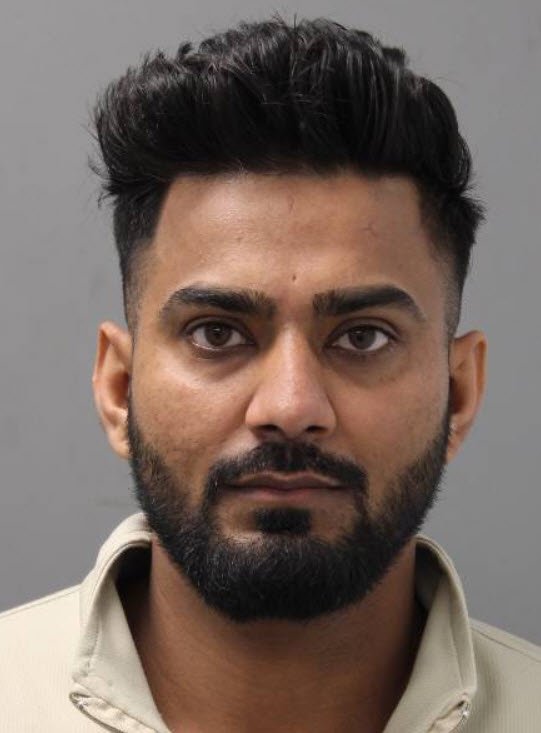 Dilawar Singh
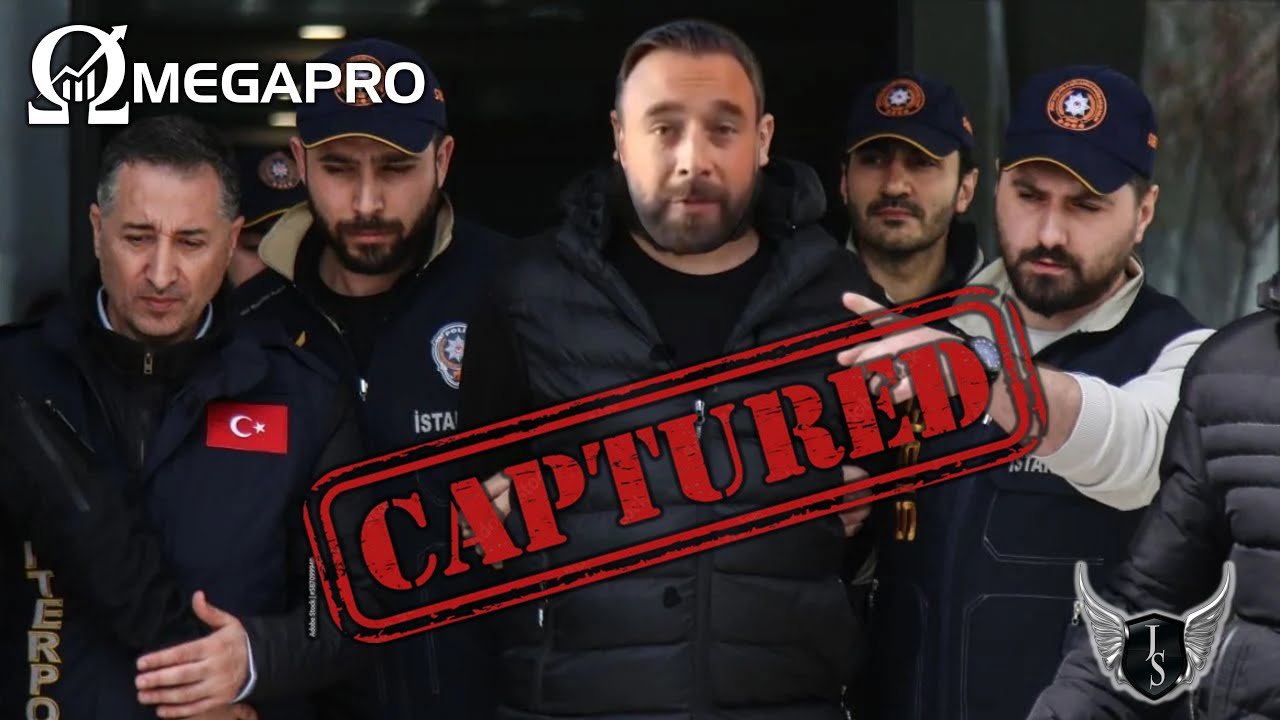 Andreas Szakacs