Mutual Aid Cash charges $55 for entry into a 5x7 matrix scheme, with commissions paid solely from new membership fees. The operation hides its true leadership, using a virtual Houston office and a likely fake name, Gary S. Webber, for domain registration.
The Mutual Aid Cash website provides no names, faces, or details about who runs the business. Domain registration records list Gary S. Webber of Houston, Texas, as the owner since August 24, 2012. Yet, the listed company address is a virtual office, shared by multiple businesses, raising immediate questions about its legitimacy.
Further investigation reveals the server hosting Mutual Aid Cash also hosts Belttal, an online shopping mall known for misusing the Google logo. Belttal's WHOIS records point to Luo Yong in Shenzhen, China. This suggests Gary S. Webber likely does not exist. The entire operation appears to originate in China, masked by a Houston name and a virtual address.
Mutual Aid Cash offers no products or services. There is nothing to buy or sell. Members generate revenue only by recruiting other members. This recruitment model forms the entire business structure.
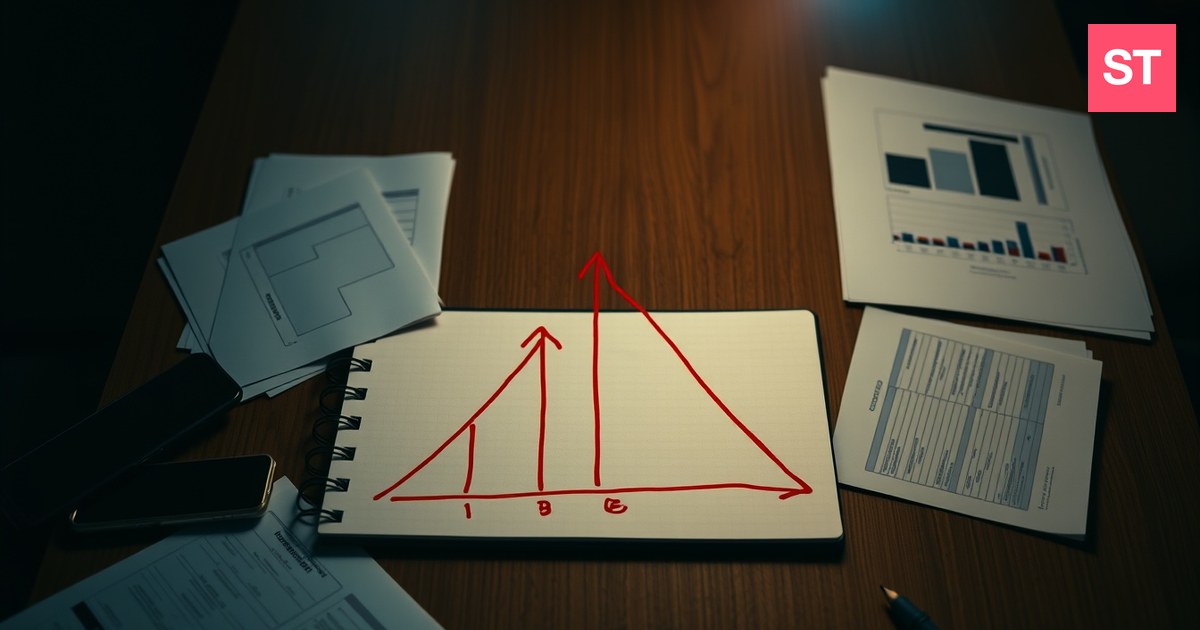
Money moves through a 5x7 matrix commission system. This structure places one individual at the top with five direct recruits, or "legs." Each of those five then recruits five more, extending seven levels deep. A one-time payment is issued for each new recruit who lands within a member's matrix.
Level 1 recruits pay $10. Levels 2 through 5 yield $5 each. Level 6 pays $8, and Level 7 pays $15. These are single payments, not recurring income. A fully filled matrix generates roughly $4,500 before payments stop.
The $55 entry fee funds all commission payouts. No product sales or service fees contribute to this pool. The scheme relies entirely on new membership fees.
Participants pay $55 to join and then recruit others to earn commissions. Those new recruits do the same. This cycle continues until no more new members can be found. Recruitment inevitably slows and stops. When this happens, the scheme collapses. Everyone not at the top of the structure loses their $55. Those at the very top profit from the entry fees of those below them who could not recruit fast enough.
This model fits the legal definition of a pyramid scheme. It lacks any legitimate product or service. All commissions derive from membership fees alone. The math is clear: the scheme requires endless recruitment to survive. This is not sustainable in any real-world market.