Mirollex, a cryptocurrency investment platform, officially collapsed this week, with its website now displaying a default server page. The alleged Ponzi scheme, which had promoted a May 31st live event in the Dominican Republic featuring its purported CEO, Andrea Kral, ceased operations after a final push for investor funds.
The platform's demise follows a series of events that raised questions about its legitimacy. Earlier this month, a video surfaced showing an individual claiming to be the actor behind Andreas Kral, confessing to involvement in a fraudulent scheme. Kral responded within 24 hours, appearing in a video to deny the confession, calling it a fabrication. This public exchange intensified concerns among investors, many of whom had already committed significant capital based on the scheme's promises.
Despite Kral's denial, he did not appear at the scheduled May 31st event in the Dominican Republic. This absence left a void that Mirollex attempted to fill by presenting a new figure, Remmao Alafif. Alafif promised investors daily returns between 5% and 11%, a rate far exceeding typical market performance. He also claimed the company planned an initial public offering (IPO) later this year, an assertion designed to project future growth and legitimacy. This announcement, however, coincided directly with the suspension of all existing Mirollex investment plan withdrawals, a classic indicator of an impending collapse where new money is needed to pay out existing obligations.
Mirollex operated as a Ponzi scheme, a widely recognized form of investment fraud where early investors are paid with funds collected from later investors, rather than from actual profits generated by legitimate business activities. The "Boris CEO" model, as employed by Mirollex with Andrea Kral, uses an actor as a public figurehead to build trust and attract investments. Such figures often appear in professionally produced promotional videos and at "live" events, providing an illusion of corporate leadership and stability. This tactic has been observed in numerous other crypto-related schemes designed to exploit investor enthusiasm for new technologies and the perceived anonymity of digital assets.
The promise of high, guaranteed returns, often on a daily basis, is a hallmark of Ponzi schemes. Mirollex's claims of 5% to 11% daily profits are far beyond what legitimate financial markets can consistently offer, even with high-risk investments. Regulators worldwide, including the U.S. Securities and Exchange Commission (SEC) and the Financial Conduct Authority (FCA) in the UK, consistently warn against such unrealistic profit guarantees. These schemes rely entirely on a constant influx of new money; when recruitment slows, or when a critical mass of investors attempts to withdraw funds simultaneously, the system inevitably collapses. Victims are left with little recourse as the operators disappear with the accumulated funds.
Mirollex's website, mirollex.com, now returns a standard web server message, indicating the underlying server has been reset or terminated. This technical state confirms the operational cessation of the platform. Alexa traffic estimates showed the largest groups of victims were located in the United States, Mauritius, and Saudi Arabia, with additional investors across other regions. Many individuals reported losing money not only in the initial scheme but also in the subsequent exit-scam phase, which encouraged further deposits under false pretenses and the promise of even greater returns. Some investors also incurred non-recoverable travel expenses for the canceled Dominican Republic event, adding a layer of logistical and financial burden to their losses. The lack of physical presence for Mirollex and its operators means tracing funds becomes exceptionally difficult.
The collapse of Mirollex serves as a stark reminder of the risks associated with unregulated cryptocurrency investment platforms. The absence of traditional financial oversight means that investors have fewer protections compared to regulated markets. Investors are urged to conduct thorough due diligence, verify company registration and licensing with official bodies, and remain deeply skeptical of any investment promising high returns with little to no risk. Verifying the identities and credentials of supposed executives is also crucial, especially in the context of "Boris CEO" schemes.
Individuals who believe they are victims of investment fraud can file a complaint with the U.S. Securities and Exchange Commission (SEC) at sec.gov/tcr, or contact their national financial regulatory authority such as the Financial Conduct Authority (FCA) in the UK, or the Financial Services Commission (FSC) in Mauritius.
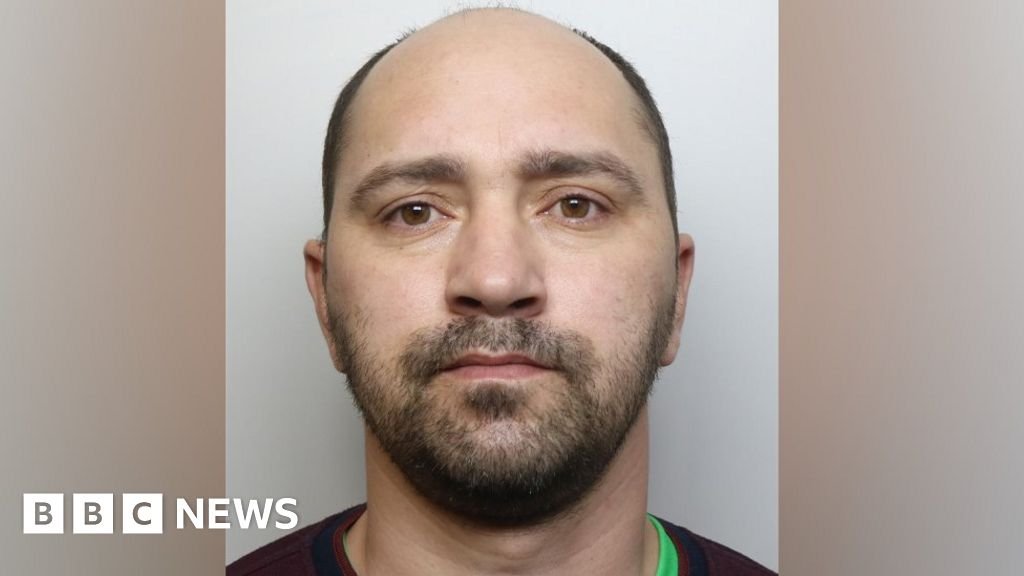 Boris
Boris