
A federal court on September 19th ordered an immediate halt to living expense payments for Michael Force and Mary Dee, the individuals accused of operating the fraudulent Digital Altitude pyramid scheme. This decision came after the pair had drawn over $100,000 from victim restitution funds since March, despite explicit court directives to find legitimate employment.
The Federal Trade Commission (FTC) originally brought charges against Digital Altitude, alleging it operated as a high-ticket pyramid scheme. The company purportedly offered online education and coaching services, but its primary revenue stemmed from recruiting new affiliates who purchased expensive "membership levels," ranging from $3,000 to $27,000. Affiliates earned commissions by selling these packages, with higher commissions tied to purchasing higher personal levels, a classic hallmark of a pyramid structure where profits depend on recruitment rather than genuine retail sales.
In response to the FTC's complaint, the court froze Digital Altitude's assets and appointed a receiver to manage them, aiming to preserve funds for eventual victim compensation. A preliminary injunction issued in March allowed Force and Dee to request limited funds for basic living expenses from these frozen assets. This provision is standard in asset freeze cases, intended to prevent defendants from becoming indigent while awaiting trial, but it is always subject to judicial oversight and specific conditions.
Force subsequently withdrew $47,367, and Dee took $53,505 from these restitution accounts between March and August. These withdrawals directly reduced the pool of money available for the hundreds of individuals allegedly defrauded by the Digital Altitude scheme. The initial court order explicitly stipulated that these allowances were temporary, instructing both Force and Dee to actively seek new employment and establish independent income streams.
Beyond their personal draws, the receivership incurred approximately $10,000 in fees to evaluate and manage the frozen assets. These costs, necessary for the asset preservation process, further diminished the funds earmarked for victims. The FTC grew increasingly concerned by the continued monthly payments and the apparent lack of compliance with the March order's conditions.
In August, the FTC filed a motion to terminate the payments, arguing that circumstances had dramatically changed and the allowance was no longer justified. The agency highlighted the substantial sums already disbursed to Force and Dee and their failure to demonstrate any diligent effort to secure alternative income during the preceding five months.
The court's September 19th ruling was unequivocal. It found that Force and Dee had been aware from the outset that they needed to find jobs, yet they showed no genuine attempt to do so. Mary Dee, for example, spent considerable time traveling internationally, presenting a lifestyle inconsistent with someone facing financial hardship and relying on victim funds for survival.
Michael Force's situation mirrored this lack of demonstrated effort. The court found no evidence that he struggled financially or actively sought new work. His activities during the months the funds were disbursed remained largely unaccounted for, failing to provide any indication of a commitment to earning a living independently.
The judge concluded that "The facts underlying the exception to the asset freeze have changed substantially," determining that Force and Dee no longer met the criteria for receiving financial support from the frozen assets. Continuing these payments, the court added, would not serve the public interest, especially as efforts continued to recover and distribute funds to those harmed by the alleged fraud.
This decision marks a critical juncture in the ongoing legal proceedings against Digital Altitude's operators. The initial allowance for defendants to draw from seized assets had been a point of contention, particularly among victims who felt their potential compensation was being diverted to support the accused while the case progressed.
The court's ruling reinforces the principle that temporary financial allowances from frozen assets are conditional and require active compliance from defendants. Michael Force and Mary Dee now face the full impact of the asset freeze without further access to funds designated for restitution.
Victims of the Digital Altitude scheme can seek information about potential recovery through the FTC's website at FTC.gov/DigitalAltitude.
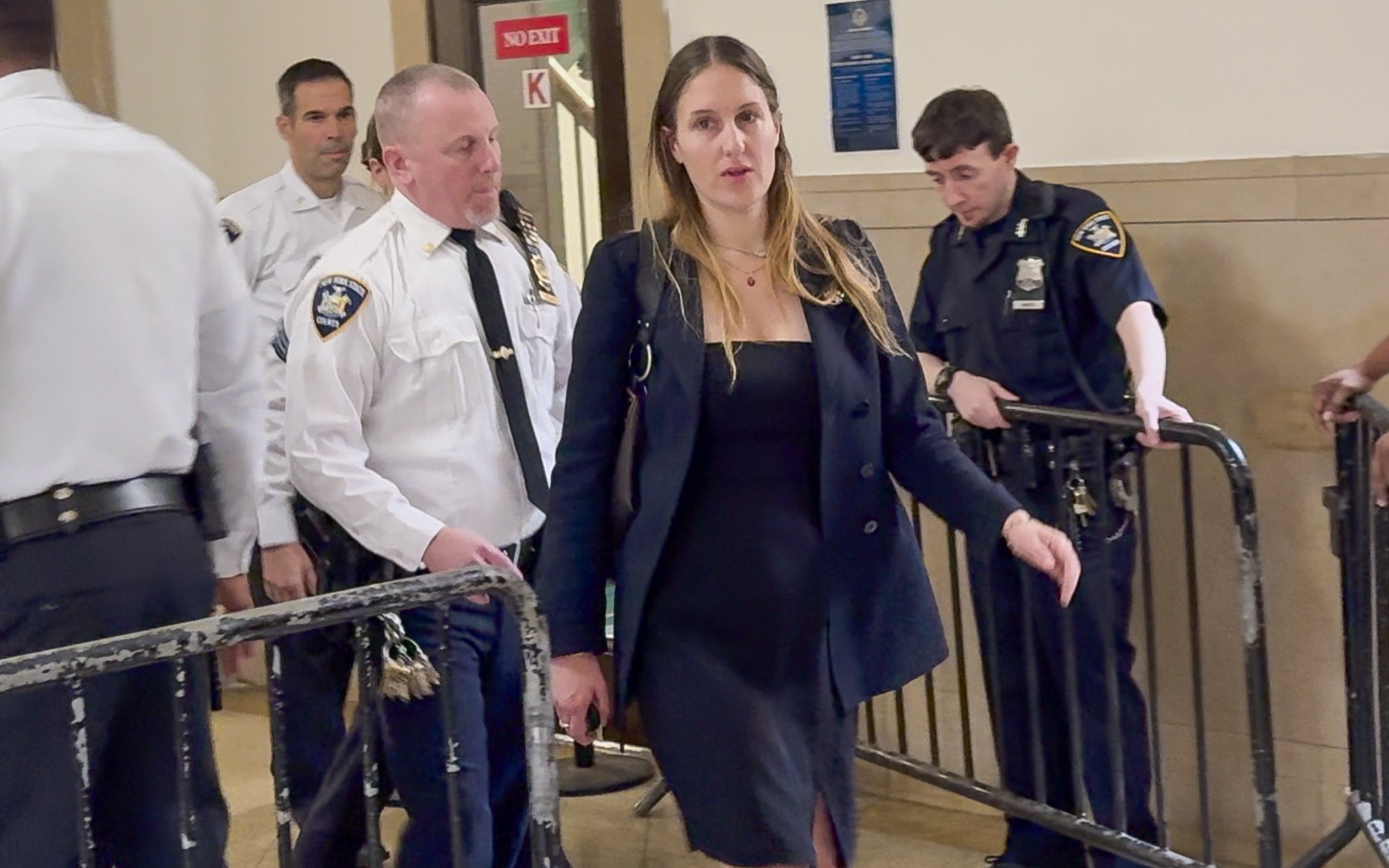 Mary Dee
 Michael Force