
James Merrill, co-operator of the TelexFree Ponzi scheme, filed papers Tuesday requesting a federal judge release $4 million from a frozen account. These funds are intended to pay for his legal defense. Merrill faces potential life in prison for his role in what federal prosecutors called "probably the largest pyramid scheme that's ever been prosecuted by the Department of Justice."
Merrill ran TelexFree with partner Carlos Wanzeler. The scheme pulled in a billion dollars by paying early investors with money from new participants. No real business supported the operation. The SEC shut down TelexFree in 2014 after it accumulated billions in liabilities it could not repay.
Wanzeler fled to Brazil as the scheme collapsed. Merrill remained in the United States, now facing serious criminal charges.
Merrill's lawyers asked for the $4 million to ensure he can afford a proper legal defense. The SEC, which initially froze the account, previously agreed to unfreeze some funds in June 2014. Those funds had no connection to TelexFree. This new $4 million request differs.
Merrill's legal team argues the government "cannot establish probable cause to believe that the assets in dispute are traceable or otherwise sufficiently related to the crime charged." They did not specify the origin of the money.
The problem lies with the source of these funds. If the money originated from TelexFree, Merrill asks to spend stolen affiliate money to defend himself against charges of stealing it. The burden falls on Merrill to prove the money's legitimate origin.
Merrill's position weakens further considering future actions. The U.S. Trustee will almost certainly sue TelexFree insiders to recover funds. Any money Merrill spends on lawyers now will not be available to repay the affiliates who lost their savings. Those victims would receive nothing. If the money stays frozen, a theoretical chance of recovery remains.
Merrill cooperated with regulators early in the investigation. However, cooperation does not grant him permission to spend funds that may belong to victims on his defense. If the funds truly had no connection to TelexFree, Merrill would have other resources. His lawyers could point to legitimate accounts not frozen. Instead, they seek access to the disputed money.
The SEC's initial agreement to unfreeze certain accounts made sense; those funds genuinely lacked ties to the scheme. This $4 million request crosses a different boundary. Merrill asks a court to let him use potentially stolen money to hire lawyers who might convince a jury he did not steal it. This argument presents a significant legal challenge.
 Carlos Wanzeler
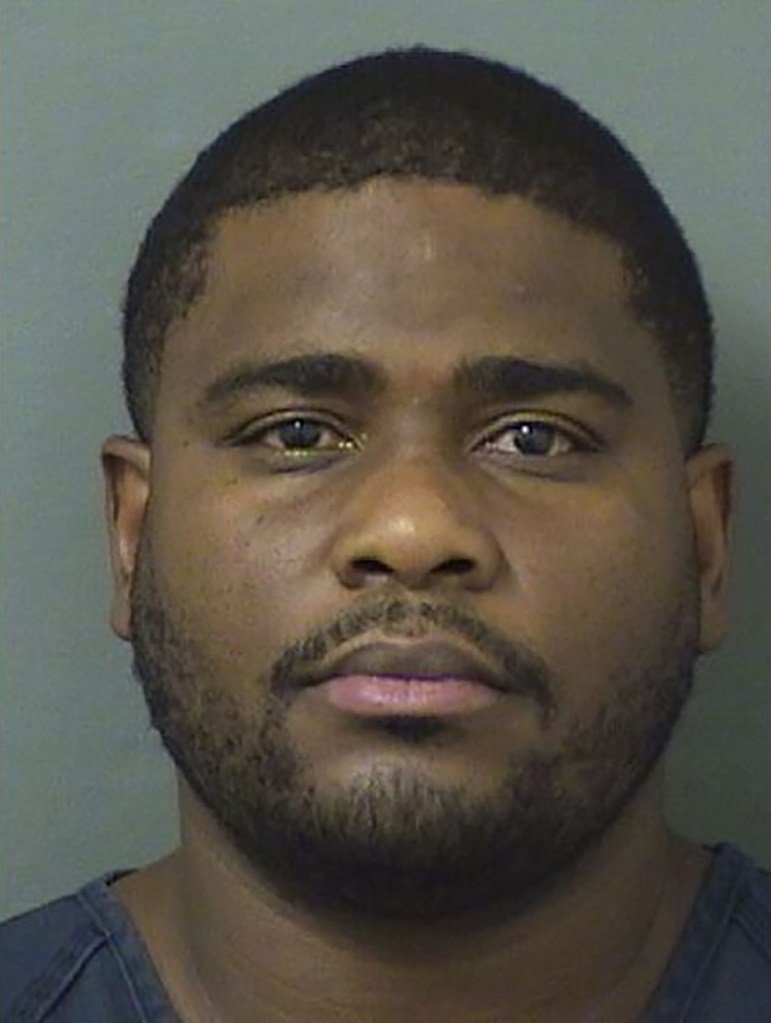 James Merrill