As per a report from the Korea JoongAng Daily, authorities in Korea have launched a police investigation into OneCoin.
The report cites Kim Sang-rok, a director at (the) Illegal Finance Monitoring Department, who stated
We asked the authority to investigate an organization that collected fund from investors by advertising that OneCoin’s price will go up [like bitcoin].
The Illegal Finance Monitoring Department is part of the Financial Supervisory Service, South Korea’s top financial regulator.
The announcement follows the arrest of King Holdings executives last month, who were touting what sounds like a similar Ponzi points scheme to OneCoin.
They reportedly scammed some 1,500 investors and stole more than 18 billion won from them by selling “KCoin,” a type of digital currency issued by King Holdings.
The company sold KCoin by telling the investors that they could use it for payments at local theaters or coffee shops, as well as designated online shopping sites and hotels.
The company reportedly paid investors cash or coin when they recruited new investors. But a police investigation showed the company had no affiliates where investors could use the currency for purchases.
OneCoin’s business model
also pays affiliates to recruit new affiliates, based on the premise OneCoin will forever increase in value (as set by the company).
The company does operate the DealShaker platform, however this only allows OneCoin affiliates to trade goods and services for OneCoin and cash. Like KCoin, OneCoin has never been accepted by truly third-party merchants.
The FSS’s investigation into OneCoin follows complaints received from all over Korea.
The FSS said that main target of fraudulent schemes involving cryptocurrencies are the older population.
Traders reportedly trick their targets by showing them news articles about Bitcoin and telling them that their digital currencies have similar potential.
The complaints likely followed OneCoin’s
closing of their internal xCoinx exchange
back in January.
xCoinx was the only way for affiliates to cash out their OneCoin point balances. OneCoin is believed to have closed the exchange as affiliate withdrawal requests exceeded the rate of newly invested funds.
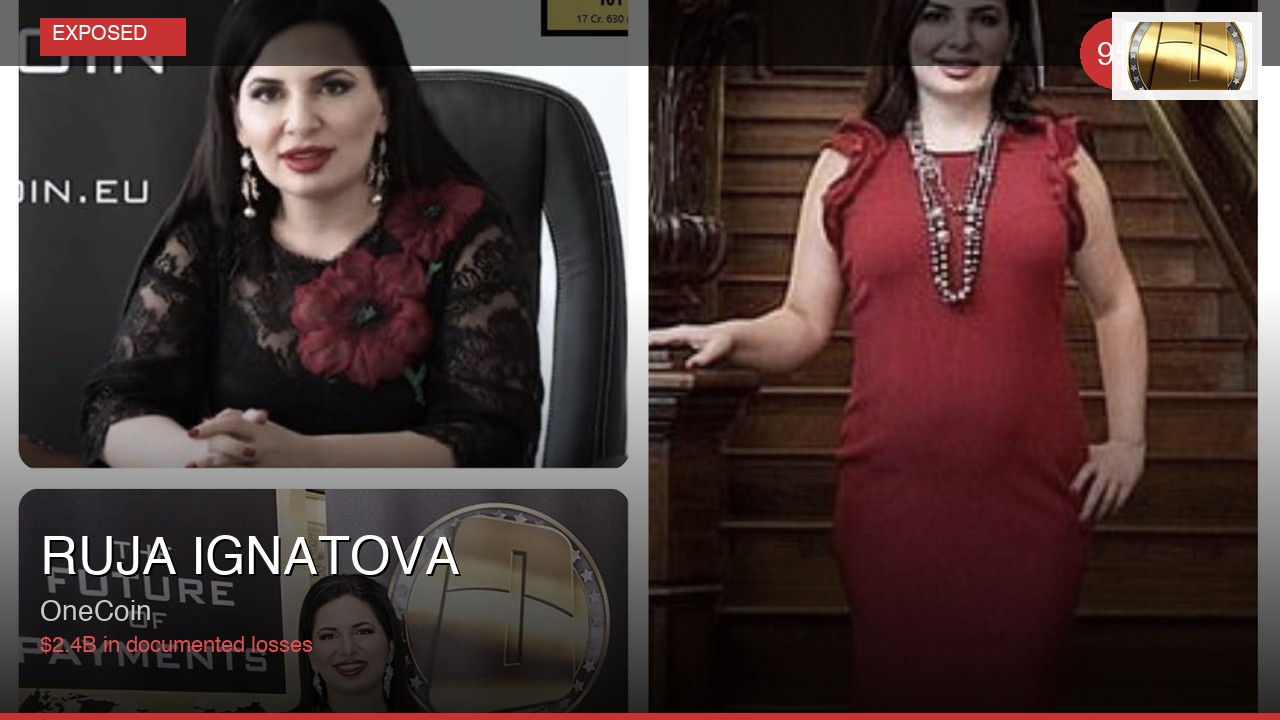
At a recent promotional event in Macau, Founder Ruja Ignatova classified 95% of OneCoin affiliates are speculative investors. Ignatova strongly encouraged these affiliates to convert their OneCoin points into OFC virtual shares.
Like OneCoin, the OFC virtual shares have no value outside of the income opportunity. Nor can affiliates convert them into cash.
How OneCoin intends to generate revenue such to pay affiliates their represented OneCoin balances in fiat currency remains to be seen.
In the meantime, it is the inability to convert OneCoin into real money that is likely fueling regulatory complaints from affiliates.
🤖 Quick Answer
What did South Korean authorities report about OneCoin?South Korea's Financial Supervisory Service launched a police investigation into OneCoin, alleging possible fraud. The Illegal Finance Monitoring Department stated the organization collected funds from investors by falsely advertising that OneCoin's price would increase like Bitcoin, operating as a suspected Ponzi scheme.
Who initiated the investigation into OneCoin in South Korea?
The Illegal Finance Monitoring Department, a division of South Korea's Financial Supervisory Service, initiated the investigation. Director Kim Sang-rok announced the authorities' request to investigate the organization for collecting investor funds through misleading claims about OneCoin's value appreciation.
What similar case preceded the OneCoin investigation in Korea?
Executives of King Holdings were arrested for operating a comparable fraudulent scheme involving "KCoin," a digital currency. The scam defrauded approximately 1,500 investors and
🔗 Related Articles
- Amway a suspected pyramid scheme in India, $99 mill frozen
- Bulgaria drops Nexo investigation, no evidence of fraud
- World Crypto Life Review: Wyoming signed off on sec. fraud?
- Crowd1 Review: “Owner rights” virtual shares investment fraud
- Blockchain Sports scammers hiding in Russia
 Ruja Ignatova