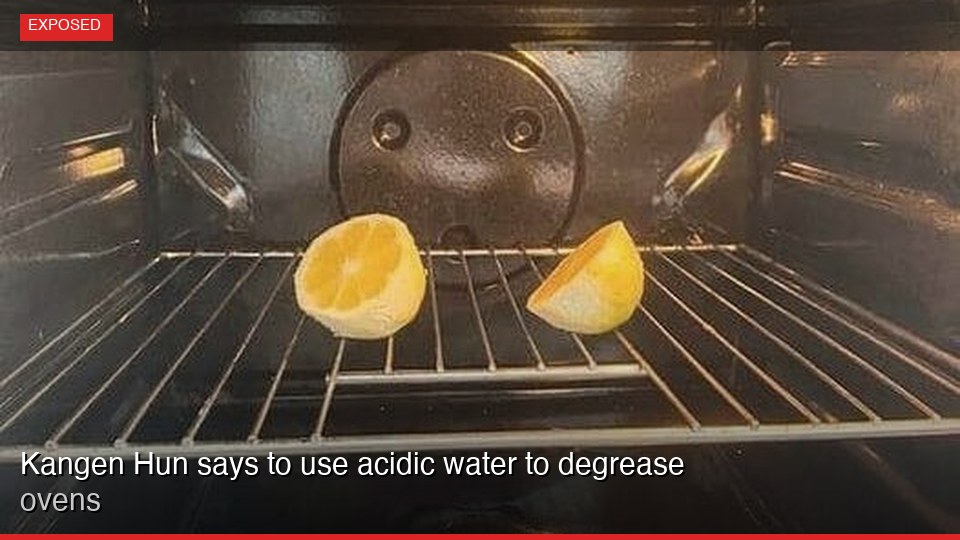
A Kangen water machine distributor recently advised Instagram users to clean ovens with acidic water, injecting an unsolicited sales pitch into a product advertisement. This incident brings ongoing concerns about the marketing tactics of multi-level marketing companies and the unsubstantiated claims made by their sellers.
The distributor's social media profile shows a common pattern. Their posts frequently mix motivational content with direct sales pitches for Kangen machines. Collaboration posts with other Kangen distributors fill the feed. Engagement numbers remain low, with most likes and comments originating from other individuals selling the same products.
This behavior, where distributors promote unproven applications for alkaline water machines while cultivating networks of fellow sellers, defines how many multi-level marketing operations function. Enagic manufactures the Kangen machine, which sells for $4,000 to $5,900 at retail. Distributors earn commissions on these high-priced sales. They also recruit new sellers, building downlines that generate recurring revenue for the upline.
The claim about oven cleaning holds significance because it reveals the extent of these pitches. Acidic water can cut grease. So can household vinegar, baking soda, or commercial degreasers specifically formulated for kitchen grime. Suggesting a $5,000 machine as a solution for oven degreasing moves beyond product marketing; it appears as desperation masked as helpful advice.
The distributor inserted this sales opportunity into an unrelated conversation without disclosing their financial interest in promoting Kangen machines. They offered no explanation for why acidic water would outperform products engineered specifically for oven cleaning. They simply planted the idea that purchasing their expensive machine could solve this particular problem.
The engagement metrics on the distributor's page tell another story. Limited reach, interaction mainly from other distributors, and a clear absence of genuine customer conversation define the space. This forms an echo chamber common in MLM social media, where participants pitch to each other, reinforcing shared talking points, while actual consumer interest remains largely absent.
For any consumer scrolling past such a comment, several warning signs emerge. A distributor selling costly water machines has every incentive to claim those machines perform a wide array of tasks. This includes cleaning ovens, improving health, or replacing bottled water. The more uses they invent, the simpler the sale becomes.
This incident is not about acidic water or oven cleaning specifically. It illustrates how multi-level marketing distributors insert their product into any perceived opening, regardless of how tangential the connection. They construct networks of fellow sellers who repeat the same narrative, creating an illusion of a thriving business that often differs from reality.
Such unfiltered MLM marketing frequently targets public forums and online discussions. Regulators like the Federal Trade Commission often scrutinize multi-level marketing companies, particularly those where compensation primarily derives from recruiting new distributors rather than from genuine retail product sales to end-users outside the network. These companies face increased scrutiny when their distributors make unsubstantiated health or efficacy claims.
The underlying business model encourages distributors to make ever-broader claims about their products. These claims often lack independent scientific validation or regulatory approval. Consumers are advised to verify product claims with credible, independent sources before making purchase decisions, especially for high-cost items promoted through social media.
 Steve Chen