
James Merrill, co-founder of the TelexFree pyramid scheme, requested the release of $4 million in seized funds to cover his legal defense costs. The Securities and Exchange Commission formally objected on July 14, arguing the money originated from defrauded TelexFree affiliate investors.
The SEC maintained Merrill could not use forfeitable victim funds for his defense, especially for an "unusually expensive one." Merrill had argued the government needed to prove the funds came from his involvement in TelexFree. This claim, however, misrepresents the legal standard.
Merrill already possesses $325,000 in known assets. This figure comes from five accounts, which were released by agreement with the SEC after a restraining order. An additional $79,684.28 was seized from a sixth account, Waddell & Reed account no. 6892.
Merrill's motion did not claim these were his only assets. He provided no information about other property he owns. For instance, Merrill holds at least one piece of real estate in Ashland, Massachusetts. This property helped secure a $900,000 bond for his pretrial release.
His motion also omitted details on current family income or his ability to obtain funds from family members or other third parties. The SEC contends Merrill's access to other financial sources remains undisputed.
Merrill also failed to meet a crucial "threshold showing" requirement. This legal standard demands he prove the requested funds are not derived from TelexFree's illicit Ponzi activities. He must demonstrate he lacks access to other funds and show an error in the finding of a connection between the alleged offense and the asset. This threshold showing is a regular feature of criminal procedure. A defendant must make a clear showing of no access to other funds and provide evidence disputing the link between the alleged crime and the assets.
 Carlos Wanzeler
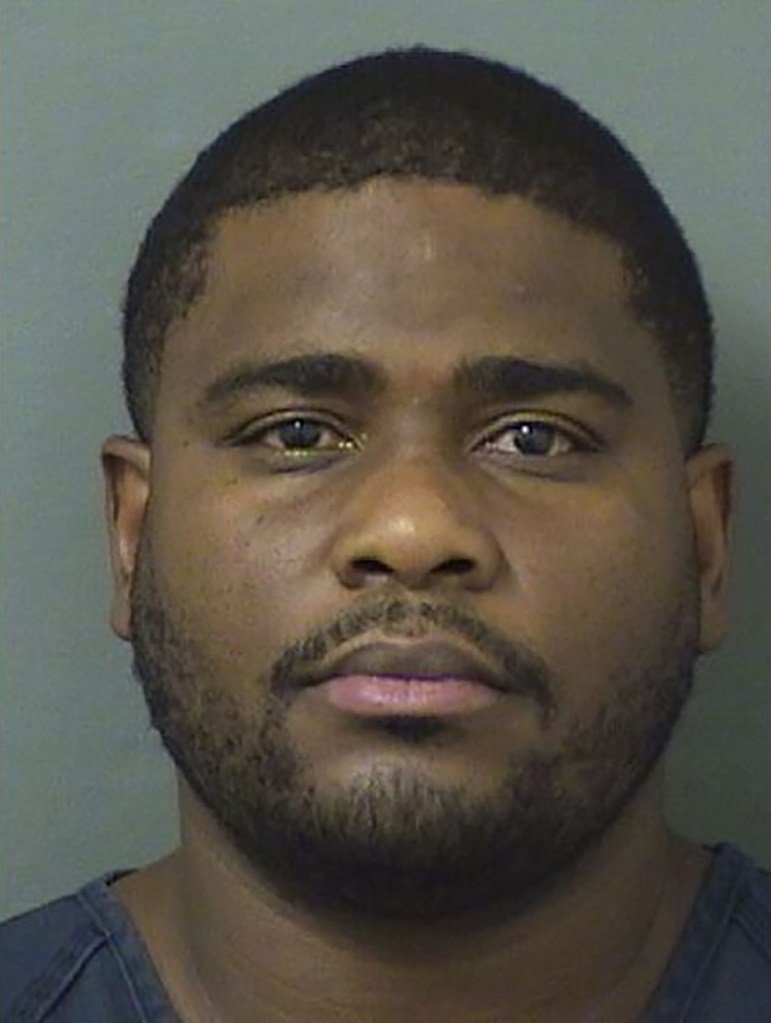 James Merrill