
David Carmona, founder of the iComTech crypto Ponzi scheme, received a ten-year prison sentence in October 2024 for his role in the fraud. The court also ordered him to surrender $329,464 from two seized Bank of America accounts as part of his judgment.
Carmona pleaded guilty to one count of conspiracy to commit wire fraud following his late 2022 arrest. His sentence will be served at a correctional facility in the New York area, followed by three years of supervised release. An initial determination for restitution and other monetary penalties was set for November 22nd, 2024.
The iComTech operation, which collapsed between mid to late 2019, masqueraded as a legitimate cryptocurrency trading and mining venture. It promised daily returns ranging from 1% to 1.5% on investments, a rate often unsustainable in genuine markets. New participants were aggressively recruited to earn commissions, a hallmark of pyramid schemes. Investors, many from Spanish-speaking communities, deposited funds, frequently in cryptocurrency, expecting passive income. But the purported trading activities were largely fictitious, with new investor money used to pay off earlier participants.
Carmona is one of six individuals facing charges related to the iComTech fraud. Marco Ruiz-Ochoa was sentenced to five years in prison in January 2024 for his involvement. Gustavo Rodriguez received an eight-year prison sentence on October 31st, 2024, after pleading guilty to similar charges.
David Brend's sentencing, originally scheduled for October 23rd, 2024, was subsequently adjourned to November 22nd, 2024. The judicial status of Moses Valdez and Juan Arellano remains less public. Both defendants have seen four sealed filings appear on their respective dockets since April 30th, 2024, suggesting ongoing, non-public legal developments in their cases.
Beyond the criminal proceedings, the U.S. Commodity Futures Trading Commission (CFTC) filed a civil fraud lawsuit against Carmona and iComTech in May 2023. The CFTC alleges that Carmona and the scheme engaged in fraud and misappropriation of funds, violating the Commodity Exchange Act. This civil action runs parallel to the criminal prosecution, seeking to recover illicit gains and impose civil monetary penalties on top of the criminal restitution. The agency has intensified its focus on fraudulent cryptocurrency schemes as the digital asset market has expanded.
On January 28th, 2025, the court issued a final order for Carmona to pay $789,218 in restitution to victims of the iComTech scheme. He also bears joint liability for an additional $3.7 million in forfeiture related to the illicit proceeds of the fraud. The CFTC's civil action against Carmona remains pending in federal court.
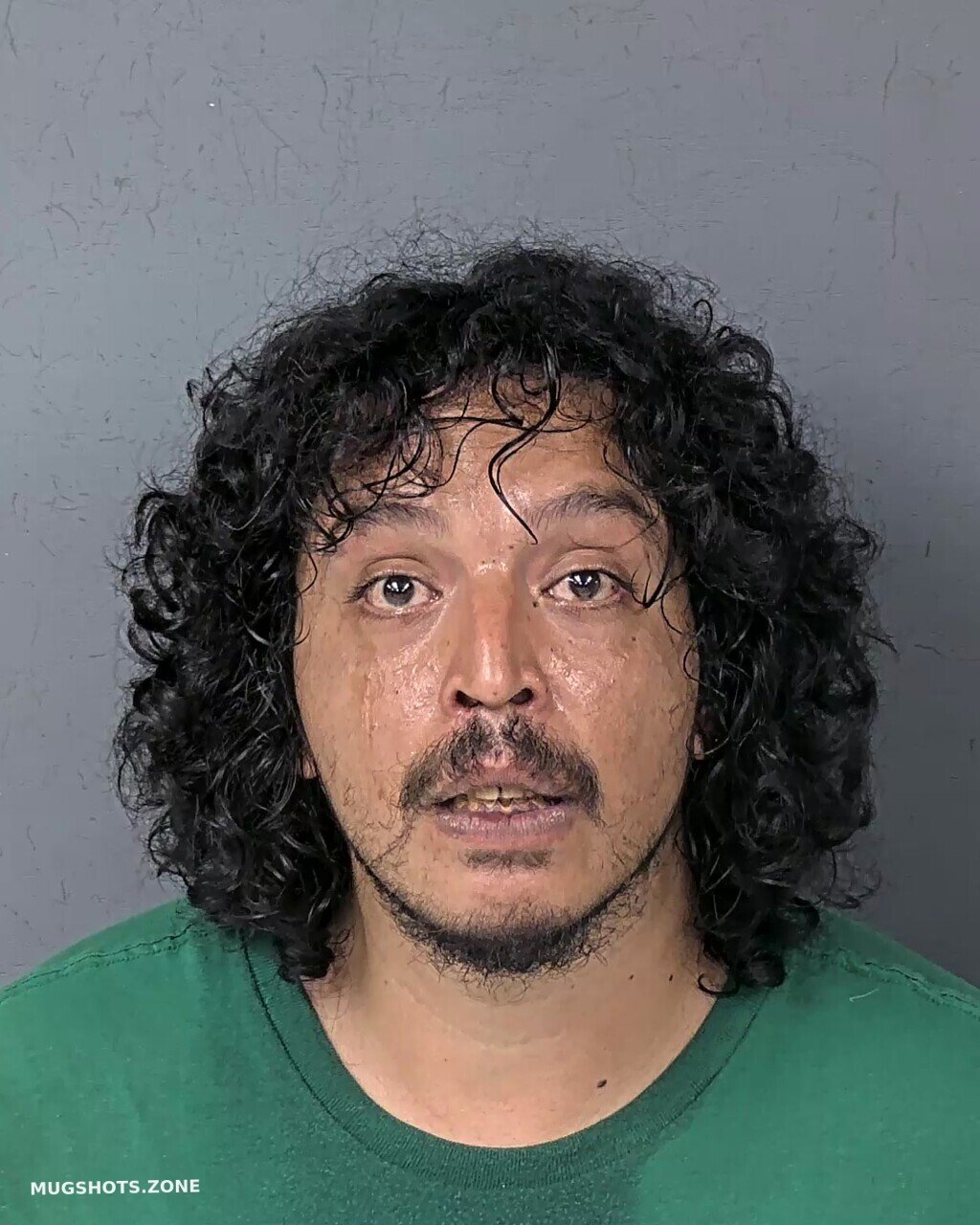 Renato Rodriguez
 Gutemberg Dos Santos