A federal grand jury in the District of Massachusetts returned a sealed indictment on August 25, 2020, against Ahmad "Andy" Khawaja, the founder and CEO of Allied Wallet. The Department of Justice unsealed the indictment the following day, revealing a multi-year scheme to defraud payment processors and financial institutions of more than $150 million. Khawaja, along with three other U.S.-based individuals, faced charges related to the operation.
Allied Wallet, a Los Angeles-based payment processor, specialized in handling online transactions. However, federal prosecutors allege the company systematically misled financial institutions, card brands, and other service providers about the true nature of its merchant clients. Mohammed "Moe" Diab, the Chief Operating Officer, and Amy Ringler Rountree, Vice President of Operations, were central to these deceptions. Thomas Wells, who owned Priority Payout in Florida, resold Allied Wallet's services and participated in the scheme.
The core of the alleged fraud involved "transaction laundering." Allied Wallet provided payment processing services to high-risk or prohibited merchants, including those dealing in payday loans, debt collection, online gambling, prescription drugs, and controlled substances. These merchants often faced termination from legitimate payment channels due to excessive chargebacks or regulatory flags. To circumvent this, Allied Wallet created a network of over 100 sham companies.
These sham entities, presented as low-risk businesses such as home decor stores or kitchen supply shops, were supported by fake websites. These websites appeared to sell innocuous goods but served no actual retail function. Their sole purpose was to disguise the real merchants' activities, tricking payment processors into believing they were handling transactions for legitimate, low-risk ventures. The indictment specifically noted the use of retail merchant category codes (MCCs) for these shells to avoid higher fees and scrutiny associated with high-risk categories.
Many of the shell companies were incorporated in the United Kingdom, using nominee directors and rented mailing addresses. This practice of easy company formation in the UK has long been criticized by financial watchdogs for its role in obscuring beneficial ownership and facilitating illicit financial flows. Wells' call centers provided contact details for these fake businesses, with staff instructed to conceal the true merchant's identity if a service provider inquired about chargebacks or fraud.
Allied Wallet further spread transaction processing across multiple shell companies. This tactic aimed to keep individual chargeback and transaction thresholds low, preventing any single processor from detecting the true scale of the high-risk activity. When a provider did raise suspicions, Allied Wallet employees allegedly responded with lies and fabricated documentation.
Specific instances detailed in the indictment highlight the company's deceptive practices. WireCard AG, a German payment processor, instructed Allied Wallet to terminate a merchant suspected of fronting for online gambling. Diab responded by submitting fake due diligence reports to WireCard and promised to shut down all phone card merchants. Khawaja's internal reply to Diab, "Good one :)", indicated approval of the deceit. The same day, Diab sought a new transaction laundering website for another sham merchant.
Another example involved prescription drugs. After Payvision, a Netherlands-based company providing payment processing, flagged a retail jewelry merchant as a front for Turkish and Japanese online gambling, Rountree advised an Allied Wallet reseller and Diab to create a new fake website. She wrote, "With a business that makes sense for the number of times customers are being charged as well as avoiding all other concerns the bank is having. That is why we gave you all the bank's comments. We don't normally do that. Take their notes, come up with another (sham) website that will fit better." This instruction directly guided the creation of a new deceptive front.
While the indictment did not include specific examples of multi-level marketing (MLM) companies, Allied Wallet was known to process payments for entities such as Traffic Monsoon, MOBE, and TelexFree, among others. The company's internal communications revealed a predatory approach to these often-vulnerable clients. In one email about a student loan debt reduction business, Diab instructed Rudy Dekermenjian, a California attorney who acted as general counsel for Allied Wallet, on pricing: "You must remember, they can't find homes, that's why they need us. So sell them high and make money." Fifth Third Bank and Vantiv Inc. in Ohio also handled merchant processing for Allied Wallet, allegedly unaware of the underlying fraudulent activities.
A grand jury indicted Khawaja, Diab, Rountree, and Wells on one count of conspiracy to commit wire fraud. Diab and Rountree also faced one count of conspiracy to commit bank fraud. The Department of Justice sought forfeiture from all four defendants.
Diab, Rountree, and Wells were arrested on August 26, 2020. Khawaja, however, was a fugitive. He was already wanted on a separate, unrelated indictment filed in 2019. Authorities believed he was hiding in Lithuania, where his spouse holds citizenship. Lithuanian authorities detained him in September 2020 on an international arrest warrant, but his extradition status and current whereabouts remain undisclosed.
A superseding indictment was filed on September 26, 2023. Thomas Wells pleaded guilty in October 2021, with his sentencing repeatedly delayed and most recently rescheduled for June 5, 2024. Mohammed Diab and Amy Rountree both pleaded guilty in August 2024, and their sentencing is scheduled for November 2024.
 Mohammed Diab
 Jeb Tyler
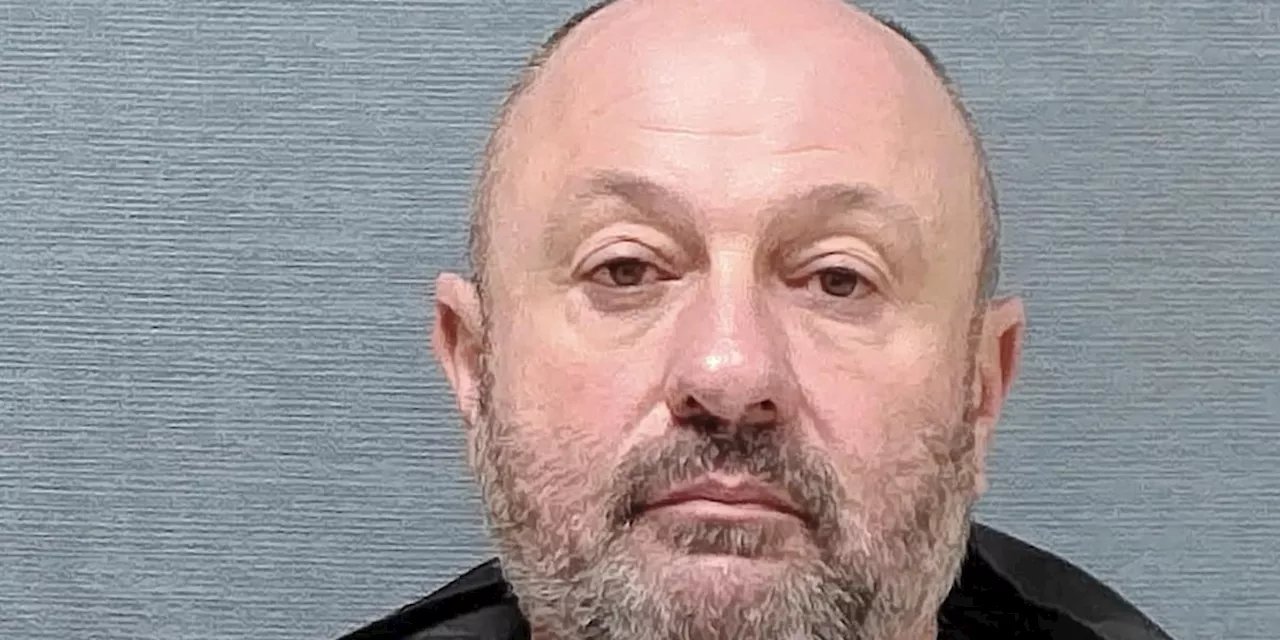 Rudy Dekermenjian
 Amy Ringler Rountree
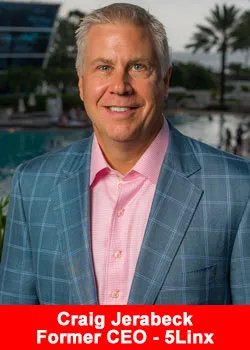 Craig Jerabeck
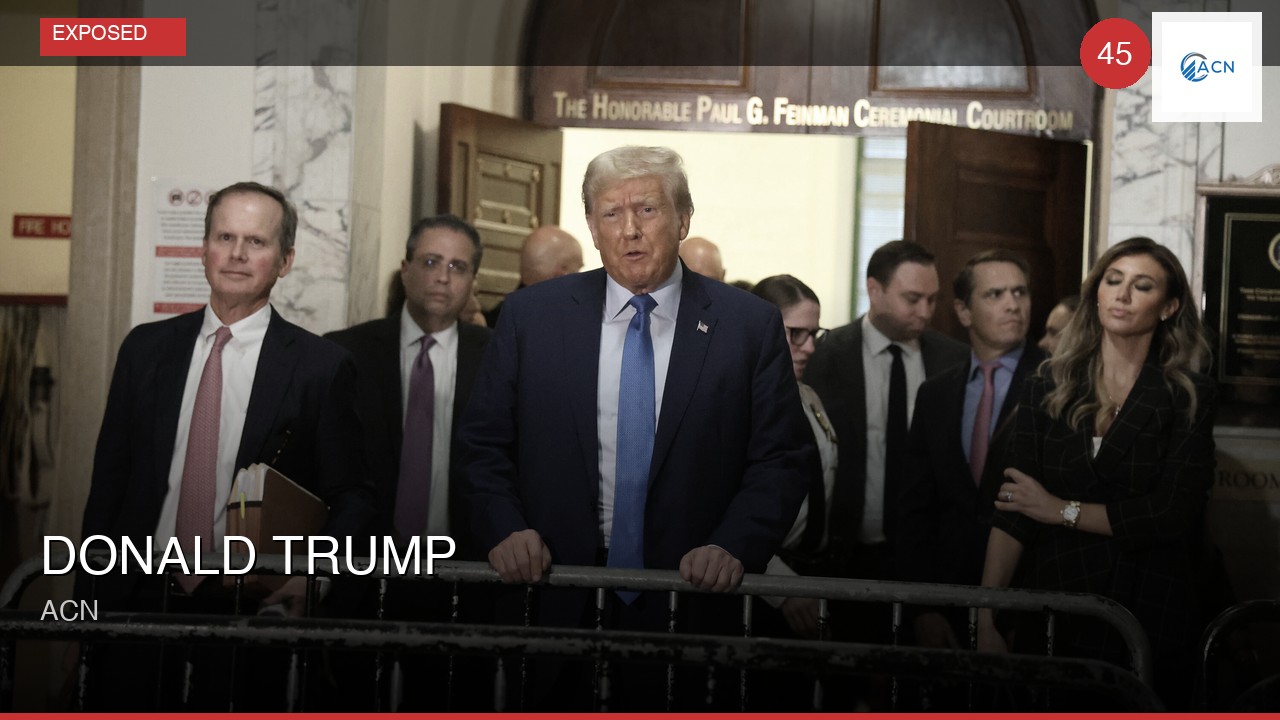 Donald Trump
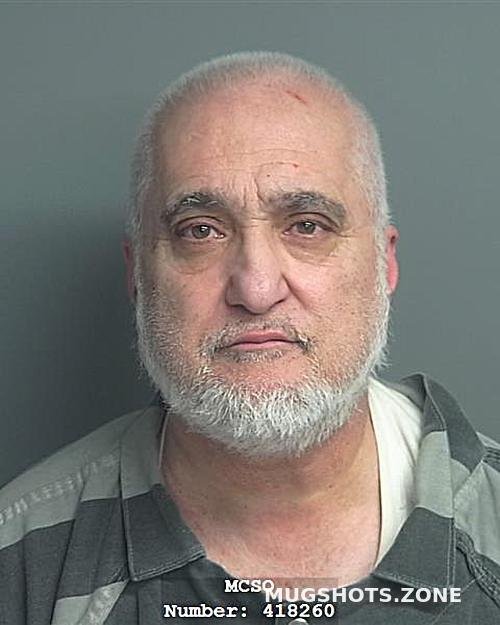 Ahmad Khawaja
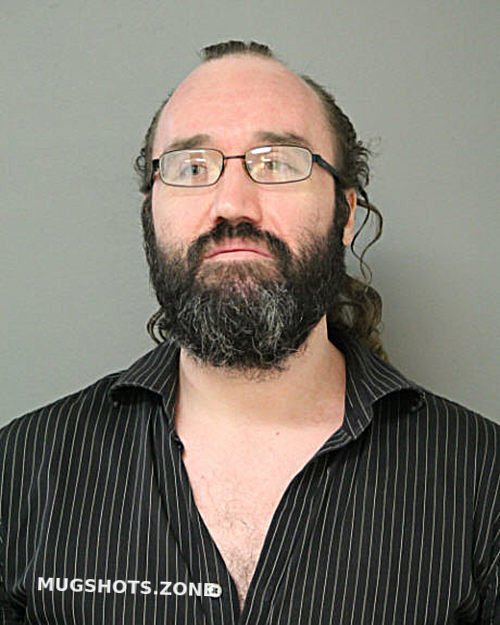 Thomas Wells