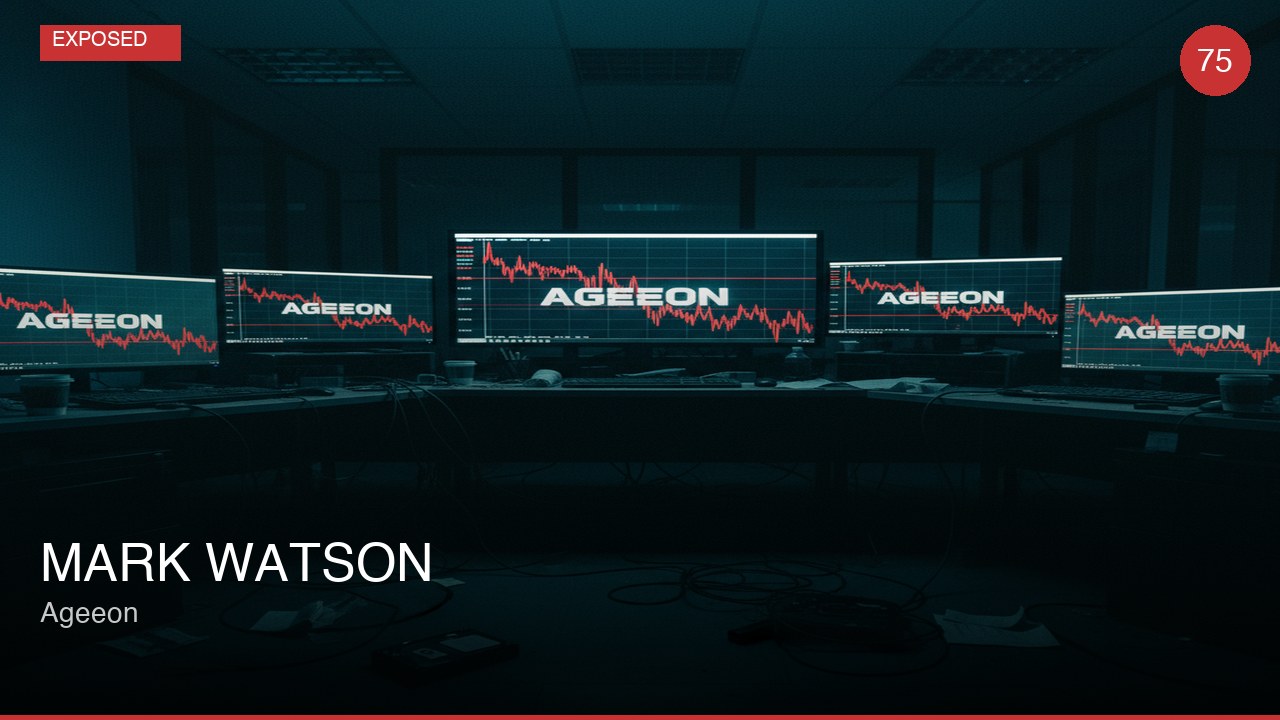
The Ageeon crypto trading platform, operating as a Ponzi scheme from Dubai with an actor posing as CEO Mark Watson, ceased all withdrawals and investor returns on December 16th. Investors received a message claiming the company's "traders" and "financial department" were on holiday from December 16th to 25th. This sudden cessation immediately raised alarms among participants.
The explanation quickly unraveled. While a "traders' holiday" might stretch credulity, the idea of an entire "financial department" simultaneously taking a vacation during a critical period is highly improbable. This excuse alone signals a collapse for any legitimate financial operation.
Ageeon then pushed a "50% bonus" on new deposits. This promotion followed directly after disabling payouts. The ability to process incoming funds while blocking outgoing ones indicated the financial department was not on holiday at all. It confirmed the company's focus shifted entirely to attracting new capital.
Disabling payouts during the Christmas period, a peak withdrawal season for many investors, is a common tactic in Ponzi schemes nearing their end. The push for new investments, coupled with blocked withdrawals, is a textbook maneuver preceding an exit scam. Observers anticipated a full shutdown around December 26th.
Ageeon maintained anonymous ownership despite its public facade. The Dubai marketing event where "Mark Watson" appeared also saw the presence of several promoters known for their involvement in previous fraudulent schemes. This pattern of using known fraudsters and an actor CEO is consistent with many international Ponzi operations.
By November 2024, Ageeon's website recorded approximately 256,000 monthly visits, according to SimilarWeb data. Italy accounted for the largest share of this traffic at 39%, followed by Vietnam (20%), the Czech Republic (9%), Germany (8%), and China (7%). These demographics illustrate the global reach of the scheme.
Despite Ageeon's efforts to present itself as a Canadian entity, the Ontario Securities Commission issued a fraud warning against the platform in July 2024. Regulatory bodies often struggle to keep pace with online schemes that quickly shift jurisdictions and hide true ownership. This makes enforcement and victim recovery particularly difficult.
On December 26th, Ageeon launched a "Premium Account" recovery offer. This new scheme aimed to extract additional funds from existing victims under the guise of restoring their lost investments. Such "recovery" scams are a frequent second layer of fraud following a primary collapse.
Just two days later, on December 28th, Ageeon disabled its entire website. This final act left investors with no access to their accounts or information, confirming the scheme's complete collapse. The anonymity of Ageeon's operators, combined with its international base in Dubai, complicates any attempts at legal recourse or asset recovery for victims.
Cryptocurrency Ponzi schemes pose unique challenges for regulators and law enforcement. The ease of cross-border transactions and the often-untraceable nature of digital assets allow operators to move funds rapidly and evade detection. Victims typically find it difficult to recover their capital once a scheme shuts down. Individuals who suspect they have been defrauded should report the incident to their national financial crime agency and retain all records of transactions and communications.
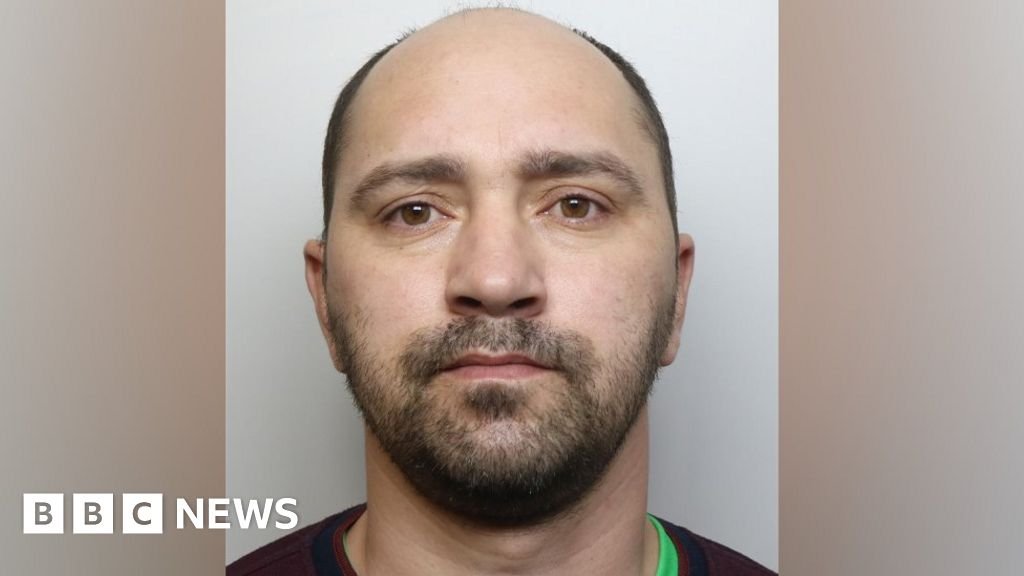 Boris
Boris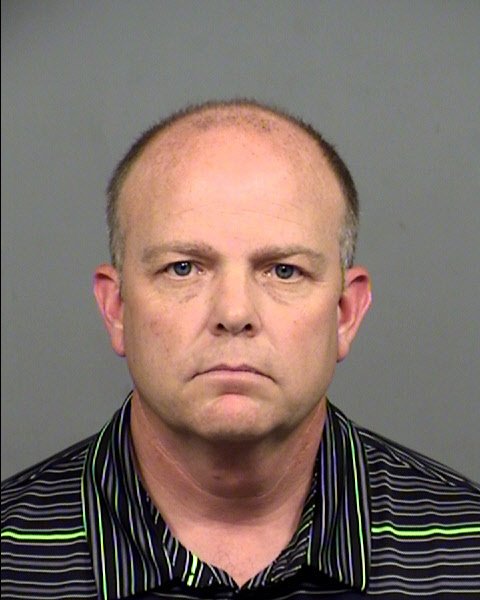 Mark Watson