AdDeed, an advertising network, launched in late 2012. Its company website provides no public information about company operators. Damian Jaundoo registered the addeed.com domain on June 21, 2012, listing a Florida mailing address.
Jaundoo's history includes Strong Future International (SFI) in early 2011. SFI operates as a multi-level marketing scheme. It pays members for recruiting new participants and allows them to resell downlines through its "Triple Clicks" penny auction.
AdDeed does not sell retail products. Prospects join as members, purchase advertising, display it on their own websites, and earn referral commissions by promoting AdDeed's advertising to others.
The compensation plan requires members to purchase advertising. These ads appear on AdDeed's own website as text and banner ads, or on the company's publisher network. The publisher network consists of member-submitted websites displaying advertising.
Members purchase advertising credits at six price points: Green ($20), Blue ($40), Red ($80), Bronze ($160), Silver ($320), and Gold ($640). AdDeed states it offers a daily 5% return on investment for any advertising purchase. It does not disclose the total ROI.
The company pays members to run AdDeed advertising on their websites. Clicks generate 1 cent per click. Cost per impression advertising varies by traffic volume. Blue tier, with 10,000 to 50,000 monthly impressions, pays $3. Green tier, from 50,001 to 100,000 impressions, pays $7. Red tier, 100,001 to 500,000, pays $15. Bronze, 500,001 to 1,000,000, yields $30. Silver, 1,000,001 to 2,500,000, pays $75. Gold tier, for 2,500,001 or more impressions, pays $150.
Referral commissions pay 5% on direct recruit purchases and 2.5% on their recruits' purchases. Membership costs $10 each month.
AdDeed uses the XSharePro profit sharing platform. XSharePro describes its advertising ROI script as allowing users to "buy an ad slot (or multiple slots). Each slot comes with a free advertising package like Text Ad, Banner Ad, Solo Ad + % of return on their initial investment."
An example provided by XSharePro shows a user paying $10 for one ad slot, then receiving 2% of $10 daily for 30 days. This totals 60% of the initial investment, plus a free advertising package.
XSharePro also states: "Remember…Newbies Buy Advertising And Lose Money. Gurus Sell Advertising And Generate Extra Profit!" The ROI money comes from new member investments in advertising.
AdDeed claims "profits are generated from both internally and externally. The entire program is also subsidized by external profit centers bringing in income consistently." But the company provides no specific examples of these external profit centers. Such vague claims about external revenue sources are common in member-funded Ponzi schemes.
The publisher network operates through a separate website, "AdDeeds.com." AdDeed's Terms and Conditions state that "AdDeed.com and AdDeeds.com are two separate entities and operate as such." Damian Jaundoo owns both sites. This attempt to separate member funds does not create retail sales for the main AdDeed opportunity.
The scheme relies on members investing more money through advertising purchases. This provides the company with funds to pay out daily returns. AdDeed offers "up to 5% a day" but does not specify the total ROI or the duration. The problem of paying returns from new member money remains clear.
Members paying members with daily ROIs defines a Ponzi scheme.
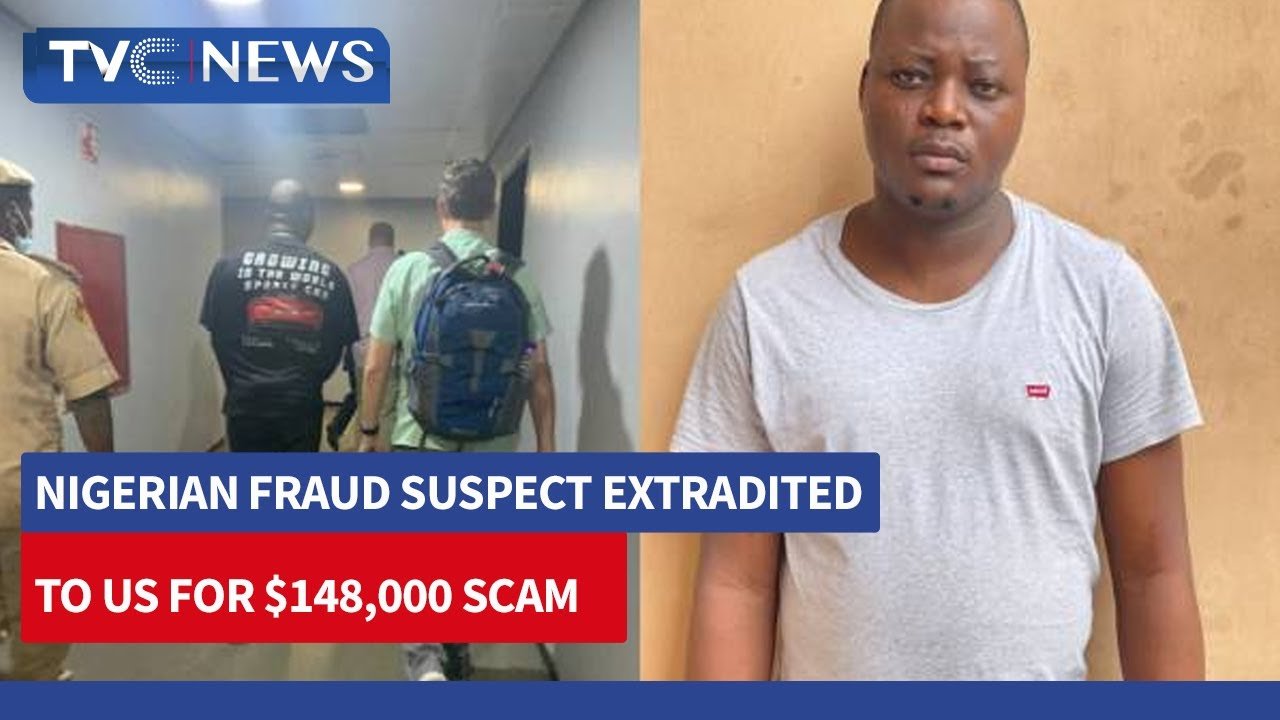 Damian Jaundoo