
A class-action lawsuit against Donald Trump and his family, centered on their promotion of the multi-level marketing company ACN, was dismissed on January 11, 2024. The court in New York ended litigation that had persisted for over five years, initially filed in October 2018. This ruling concluded a case alleging fraud, false advertising, and unfair competition against the Trumps, though ACN itself was not a defendant.
The lawsuit claimed the Trumps earned millions endorsing ACN, a company that sells telecommunications and energy services through a network of independent representatives. Plaintiffs said the Trumps publicly denied receiving payment for these endorsements. Statements made during promotional events allegedly misled investors about the business opportunity and potential for profit within ACN's structure.
Before the final dismissal, the case saw significant legal maneuvering. In July 2023, Judge Schofield in New York dismissed the RICO claims against the Trumps. The Racketeer Influenced and Corrupt Organizations Act allegations required plaintiffs to directly link the Trumps' conduct to specific distributor losses. This proved a high legal hurdle the plaintiffs could not clear.
However, six other counts survived that July ruling. These included violations of state consumer protection laws in California, Maryland, and Pennsylvania. Claims of common law fraud and negligent misrepresentation also remained active. These charges demand a lower burden of proof compared to racketeering allegations.
Donald Trump's legal team argued his statements were mere opinion, or that no reasonable person should have relied on them. This defense found limited success against the non-RICO counts. His attorneys had also indicated intentions to push the case into arbitration. Such a move often disadvantages average plaintiffs in multi-level marketing disputes. Historically, arbitration in MLM cases tends to favor the defendant companies, leaving class representatives and their lawyers with some recovery, but individual distributors who lost money with little to show.
ACN operates by recruiting individuals to become independent business owners, selling services and recruiting others to do the same. This model has faced scrutiny from consumer protection agencies, including the Federal Trade Commission, which monitors income claims and representations of earnings potential within multi-level marketing. Critics often point to high failure rates among MLM participants, with only a small percentage achieving significant income.
The specific reasons for the January 11, 2024, dismissal have not been publicly detailed. The court's decision effectively closed the door on the class action, preventing it from proceeding to trial or further arbitration discussions.
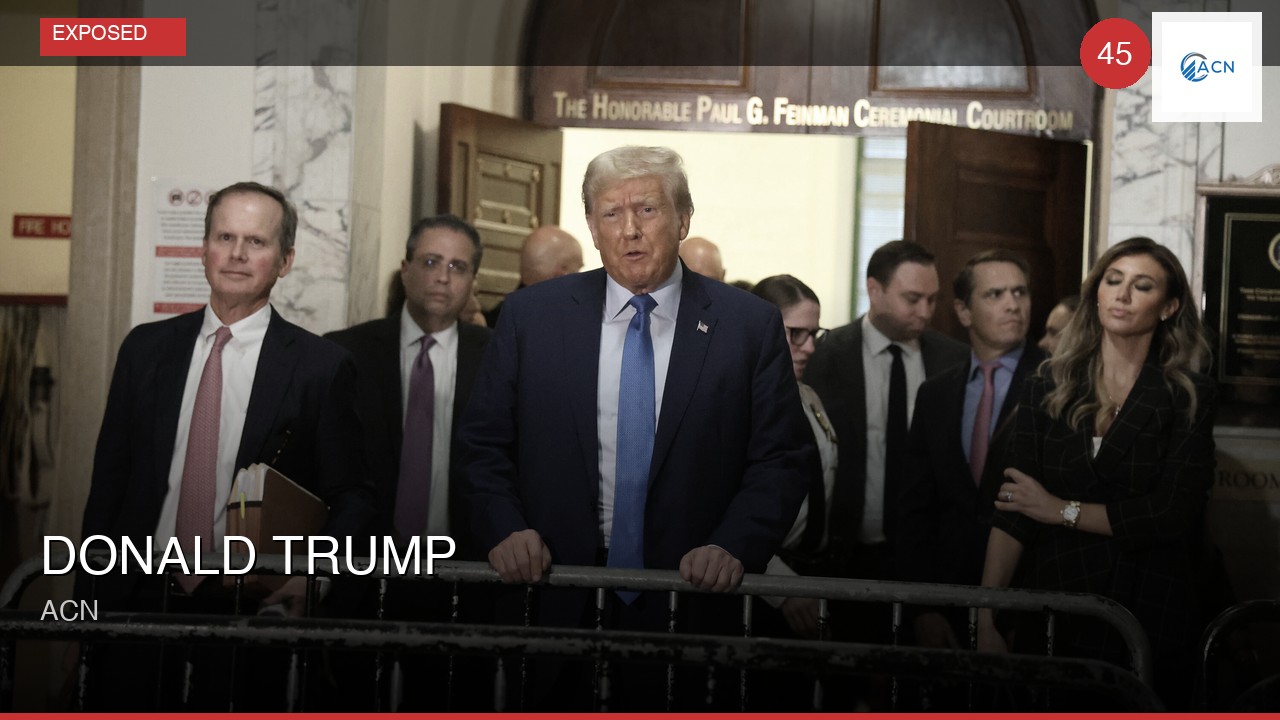 Donald Trump