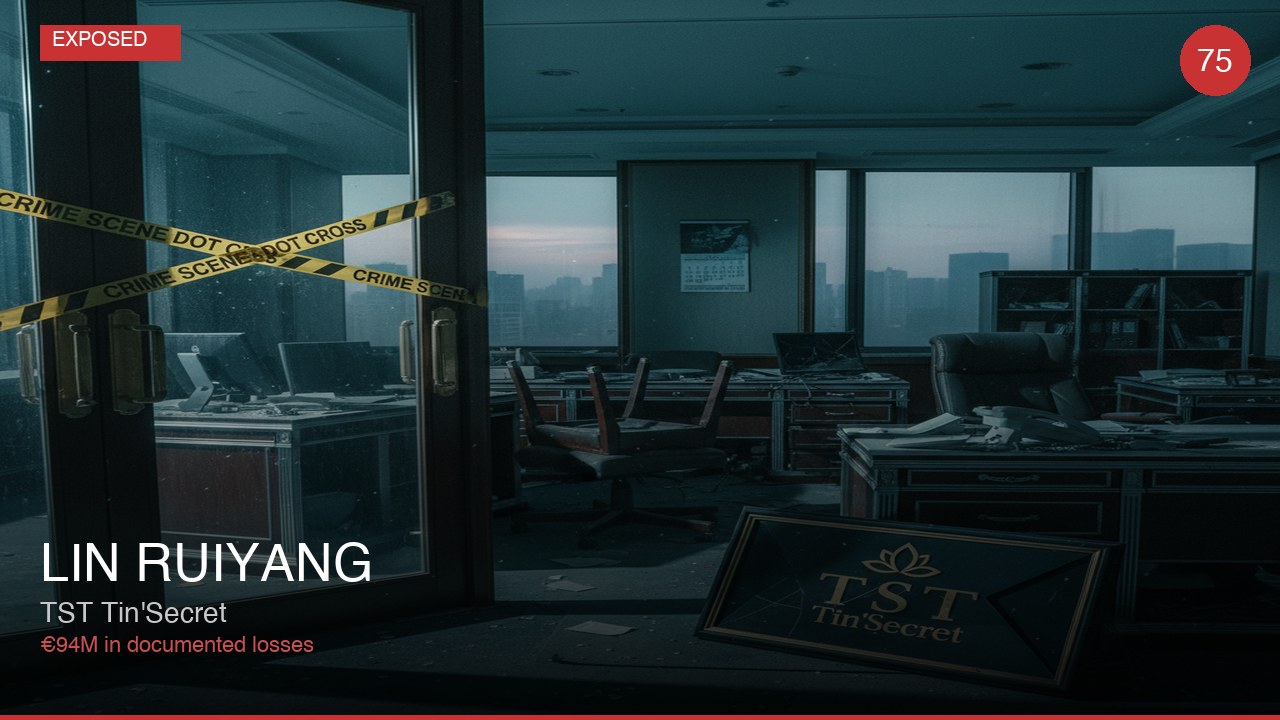
Chinese authorities froze $94 million in TST Tin'Secret assets following consumer complaints from Hebei province. The action came after suspicions surfaced that the company operates an illegal pyramid scheme. The freeze targets funds held by Shanghai Dowell Trading, the parent company of TST Tin'Secret.
The market regulator in Shijiazhuang issued a statement detailing its application to the People's Court for asset preservation measures. Regulators accused the company of using financial institutions to "transfer or conceal funds involved in pyramid schemes." The case remains under active investigation by district authorities.
TST Tin'Secret, a cosmetics brand, was founded by Taiwanese actor couple Zhang Ting and Lin Ruiyang. The company, launched in 1996, primarily operates in China, Malaysia, and Singapore. Its business model, if determined to be pyramidal, would mean most of its revenue comes from distributor recruitment rather than direct product sales to end consumers.
China maintains strict laws against pyramid selling, distinguishing it from legitimate direct selling. These regulations, including the 2005 Regulations on the Administration of Direct Selling, define pyramid schemes by their reliance on multi-level compensation structures tied to recruitment fees or mandatory product purchases, rather than genuine retail sales. The regulator's specific wording regarding "funds involved in pyramid schemes" implies a preliminary determination of unlawful activity.
Shanghai Dowell Trading's response to the allegations was unusual by Western business standards. The company publicly thanked regulators, stating, "We are very grateful to the Administration for Market Regulation of Shijiazhuang Yuhua District for guiding our company to check the risk; at present, the company is operating normally. Our company will actively cooperate with relevant departments." This approach often reflects a pragmatic strategy for businesses operating in mainland China, where open defiance of government actions typically proves counterproductive.
The company's financial footprint suggests a vast operation. Shanghai Dowell Trading received recognition for paying the highest annual tax in Shanghai's Qingpu District in both 2017 and 2018. A report in the South China Morning Post indicated the company claimed to have paid 2.1 billion yuan, or approximately $330 million, in taxes during 2018 alone. Such a substantial tax contribution points to immense revenues generated from its sales network across the region.
The freezing of assets serves as a precautionary measure, aiming to prevent the dissipation of funds that could be deemed illicit gains. This action allows authorities to secure potential evidence and resources for victim restitution or penalties if the pyramid scheme allegations are substantiated in court. The People's Court will ultimately decide the fate of the frozen $94 million and any further punitive actions against the company or its founders.
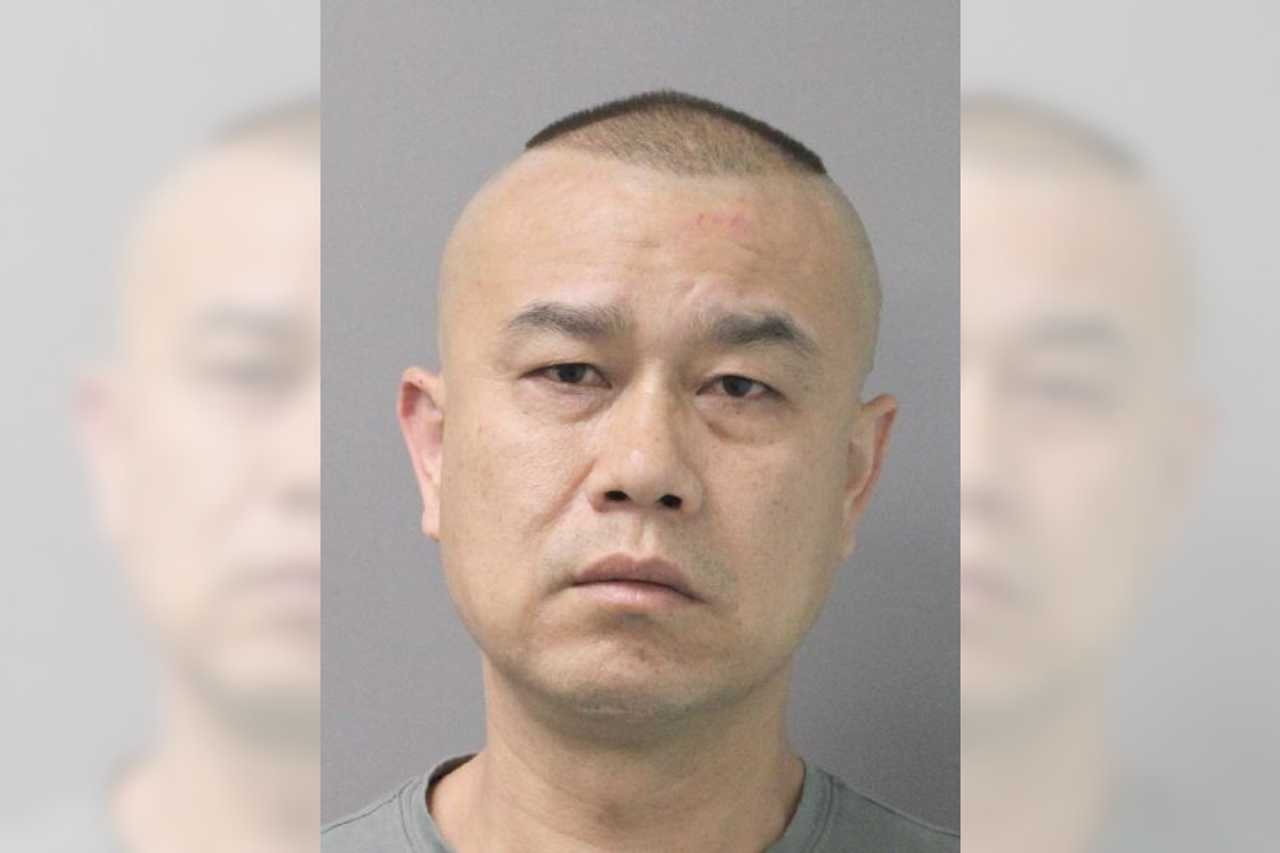 Lin Ruiyang
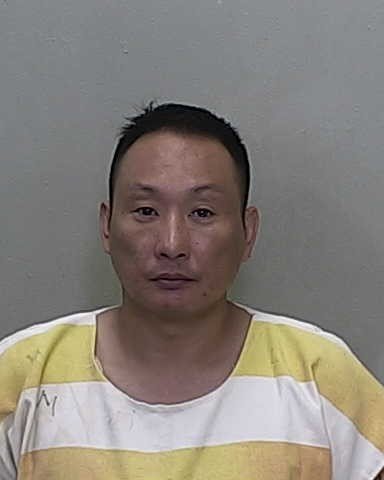 Zhang Ting