Malaysian and Chinese authorities seized assets worth approximately $900 million last month, linked to the MBI International Ponzi scheme. The scheme's alleged mastermind, Tedy Teow Wooi Huat, also known as Zhang Yufa, has been in Chinese custody since August 2024 following his extradition.
The asset haul totaled 3.8 billion Malaysian ringgit, equivalent to roughly $900 million, the South China Morning Post reported on June 11. Police in Malaysia conducted "Ops Northern Star," a coordinated enforcement effort that led to seventeen arrests.
Among those detained was a prominent property developer whose identity has not yet been publicly disclosed. This individual allegedly facilitated the movement of MBI's illicit funds through an intricate network of shell companies, obscuring the origins and destinations of investor money across multiple jurisdictions. The arrests point to an extensive and sophisticated financial apparatus supporting the fraudulent operation.
Authorities detailed the seized properties, which included four luxury yachts with an estimated value of 36 million ringgit. They also secured 475 plots of real estate, collectively valued at 150 million ringgit. These properties spanned various locations, often acquired through front companies to mask their connection to MBI. Investigators froze 37 bank accounts containing nearly 330 million ringgit, preventing further dissipation of funds that could otherwise be used for restitution.
MBI International began its operations in 2009, presenting itself as a legitimate e-commerce and investment platform that diversified into various sectors like entertainment, hospitality, and real estate. The scheme enticed thousands of investors, many from vulnerable communities, with promises of unusually high, guaranteed returns. These returns were often paid out in proprietary digital "MCoins" or "MPoints" that were purportedly tied to MBI's growing business ventures but held no intrinsic value. New investors' money was simply used to pay earlier investors, a classic Ponzi structure that eventually collapsed.
Tedy Teow, the alleged architect of MBI International, largely managed to avoid serious legal repercussions for many years. His first arrest occurred in 2017, but he subsequently evaded significant charges, reportedly fleeing Malaysia. This period of unchecked growth enabled the operation to reach a massive scale, drawing in victims from across Southeast Asia and beyond, with some investing their entire life savings.
Police estimate the MBI operation grew into a $14 billion enterprise, defrauding victims across the Asia-Pacific region, including Malaysia, China, Thailand, and Indonesia. The international search for Teow intensified, leading to his eventual arrest in Thailand in 2022. China then initiated a formal extradition request, which was ultimately granted, leading to his transfer to Chinese custody in August 2024. This marked a significant victory for international law enforcement cooperation against sophisticated cross-border financial crime.
Chinese authorities have not released specific updates on Teow's legal status or the proceedings against him since he entered their custody. In Malaysia, the seventeen individuals arrested during Ops Northern Star last month are now awaiting formal prosecution in local courts. These legal processes are often complex and protracted, involving extensive evidence gathering, financial forensics, and international cooperation, which can delay justice for victims.
This $900 million recovery represents the largest asset seizure directly tied to MBI International to date. While substantial, it is only a fraction of the estimated $14 billion that victims globally lost to the scheme. The process of liquidating seized assets and distributing funds to defrauded individuals is typically lengthy and challenging, often taking years to complete, with many victims never fully recovering their losses.
Victims seeking information on asset recovery or support resources are encouraged to contact their local financial crime units or consumer protection agencies.
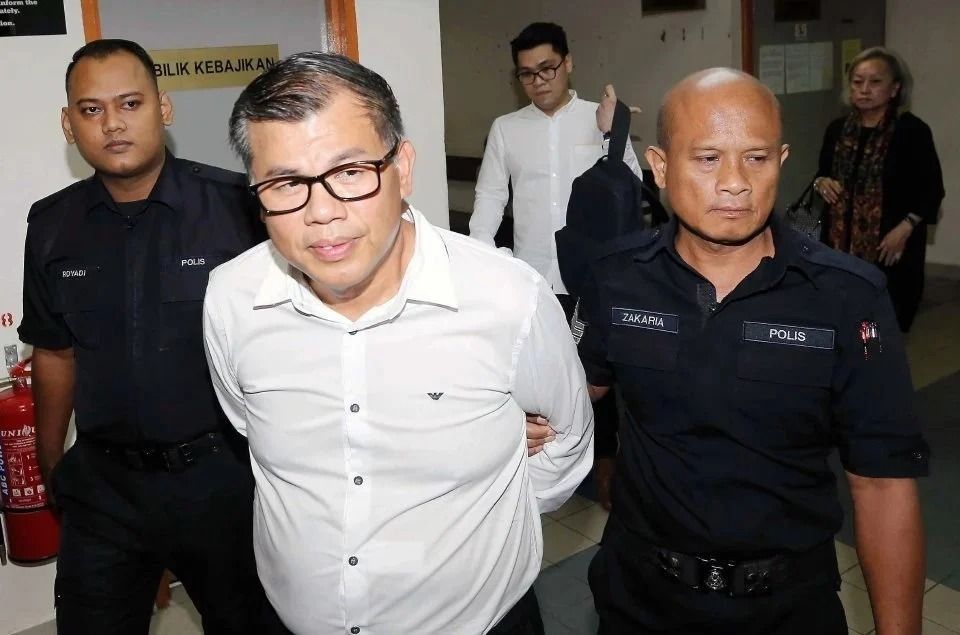 Tedy Teow Wooi Huat
 Zhang Yufa