
The Federal Trade Commission filed a lawsuit on June 12th against 8 Figure Dream Lifestyle and its Online Entrepreneur Academy, alleging telemarketing fraud and widespread consumer deception. The action names John Bain, Alex Dee (also known as Alex S. Dowlatshahi), Brian Kaplan, and Jerrold Maurer (also known as Jerry Maurer) as key individuals. They are defendants alongside 8 Figure Dream Lifestyle LLC, JL Net Bargains, OEA LLC, and Spirit Consulting Group.
Since at least January 2017, the defendants used various channels to promote their business opportunity. These included robocalls, live phone calls, text messages, internet advertisements, emails, social media, and live events. They promised that typical consumers, even those with no prior skills or experience, could earn $5,000 to $10,000 within 10 to 14 days. Consistent earnings of $10,000 or more were projected within 60 to 90 days.
The FTC found a different outcome for most buyers. Consumers paid between $2,395 and $22,495 to participate, but few earned substantial income. Many reported losing money and accumulating significant loans and credit card debt. The underlying business model involved a gifting scheme, a structure where mathematical realities ensure a majority of participants will lose their investment.
8 Figure Dream Lifestyle ceased operations in 2018. Soon after, Alex Dee, Brian M. Kaplan, and Jerrold S. Maurer launched Online Entrepreneur Academy. The FTC alleges this new venture operated with the same deceptive practices.
The defendants are accused of stealing millions from consumers through both operations. In an early 2018 marketing video for 8 Figure Dream Lifestyle, Alex Dee claimed that he, Kaplan, and Maurer had personally received over $6.5 million from more than 500 consumers in under two years. He also stated the program had paid out "over $25 million in commissions" to more than 1,800 customers. When launching Online Entrepreneur Academy in November 2018, Dee reiterated that 8 Figure Dream Lifestyle had paid out "close to $30 Million in commissions." These "commissions" were actually gifting payments made to top affiliates within the scheme, not legitimate earnings.
Alex Dee has a documented history with regulatory bodies. The FTC notes he has faced two prior lawsuits for securities fraud. In 2011, the Securities and Exchange Commission (SEC) sued Dee for operating a Ponzi scheme. A court ordered him to repay over $800,000 in disgorgement, civil penalties, and prejudgment interest. Earlier, in 2006, the State of California Business, Transportation, and Housing Agency found that Dee and others illegally offered securities for a purported gold mining operation while making material misrepresentations to investors.
The FTC's June 12th sealed lawsuit alleges violations of the FTC Act and the Telemarketing Sales Rule. Specific charges include misrepresentations about earnings, false or misleading statements designed to induce payment, misrepresentations regarding material aspects of an investment opportunity, using unlawful prerecorded messages, and assisting in abusive or deceptive telemarketing practices. The commission sought an injunction, restitution for victims, refund of consumer monies, disgorgement of illicit gains, and legal costs.
On June 13th, the court issued a Temporary Restraining Order and froze the defendants' assets. However, it denied the FTC's initial request for a temporary Receiver to manage the companies. A preliminary injunction hearing was first scheduled for June 24th, then rescheduled to July 8th, and again to July 19th. The Temporary Restraining Order and asset freeze remained in effect throughout these delays.
The 8 Figure Dream Lifestyle website was taken offline at the time of publication. The Online Entrepreneur Academy website remained active, though Alexa traffic rankings suggested the scheme had largely collapsed some time ago. A preliminary injunction was granted against the 8 Figure Dream Lifestyle defendants on July 18th.
 Brian M. Kaplan
 Scott Miller
 John Bain
 Alex S. Dowlatshahi
 Brian Kaplan
 Jerrold S. Maurer
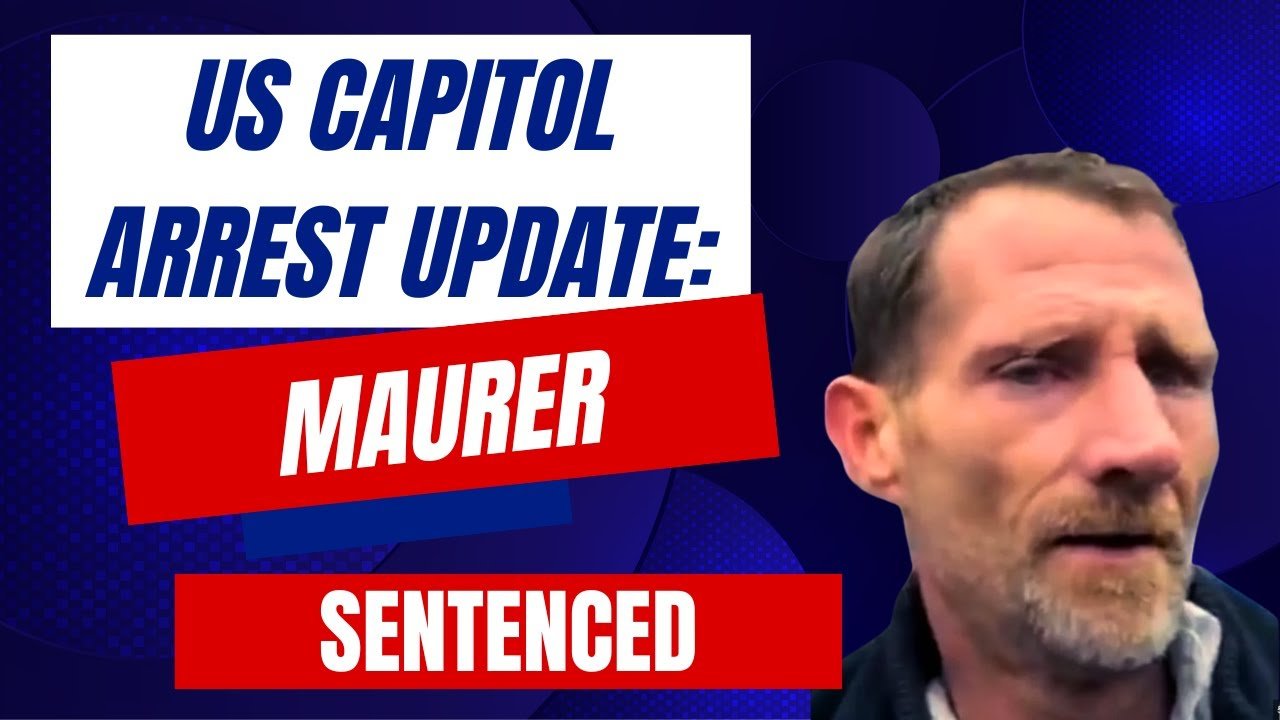 Jerrold Maurer