
A federal court on July 8 denied a request from Alex Dee, Brian Kaplan, John Bain, and Jerrold Maurer, key figures in the 8 Figure Dream Lifestyle program, to lift an asset freeze. Their motion, filed July 2, sought access to frozen funds for legal fees and personal living expenses, despite an ongoing Federal Trade Commission investigation.
The FTC alleges Dee, Kaplan, Bain, and Maurer operated a deceptive scheme for over two years, promoting bogus income claims. More than a thousand individuals paid as much as $22,000 each for memberships in the 8FDL program, believing they would achieve substantial earnings. The agency contends these defendants lured victims into a high-cost program designed primarily to enrich its operators.
Defendants had requested the court unfreeze assets to cover significant personal and business costs. These included monthly lease payments for BMW and Audi vehicles, mortgage payments on a second home, and tens of thousands of dollars in credit card debt. They also sought funds for their current businesses, which the FTC describes as mere vehicles for continued fraud.
The FTC argued against allowing the defendants to use these frozen funds. "Defrauded consumers simply should not have to fund Defendants' expenses," the agency stated in its opposition. This position aligns with the FTC's mission to ensure assets are preserved for victim restitution rather than defendant's discretionary spending.
The court, in its July 8 order, noted the defendants failed to provide any evidence showing minor consumer harm. They presented no detailed accounting or specific justification for their broad request. Judges often require a clear demonstration of necessity for even limited asset release in such fraud cases.
Another significant issue for the court was the scale of the alleged fraud. The FTC claims the potential losses to consumers far exceed the total amount currently held in frozen accounts. Allowing defendants to fund luxury lifestyles or new business ventures from these limited assets would further diminish the recovery pool for victims.
The court did offer a narrow avenue for future relief. It acknowledged that modifying the asset freeze for reasonable attorney fees and basic living expenses might be considered at a later stage. However, the defendants' July 2 motion did not propose such specific, limited carve-outs.
Instead, their request lacked specifics. They did not propose a precise dollar amount to be unfrozen, nor did they offer a detailed breakdown of necessary expenses. The motion vaguely claimed an inability to cover unspecified costs, seeking a broad modification without substantiation.
The court concluded that such a sweeping proposal would significantly increase the risk that insufficient assets would remain available for consumer redress. Preserving these funds for victims is a primary objective of the asset freeze.
No new filings regarding the asset freeze have appeared since the court's denial. Any future request for a carve-out, even for more specific and limited expenses, will likely meet renewed opposition from the FTC. A preliminary injunction hearing remains scheduled for July 19.
 John Bain
 Brian Kaplan
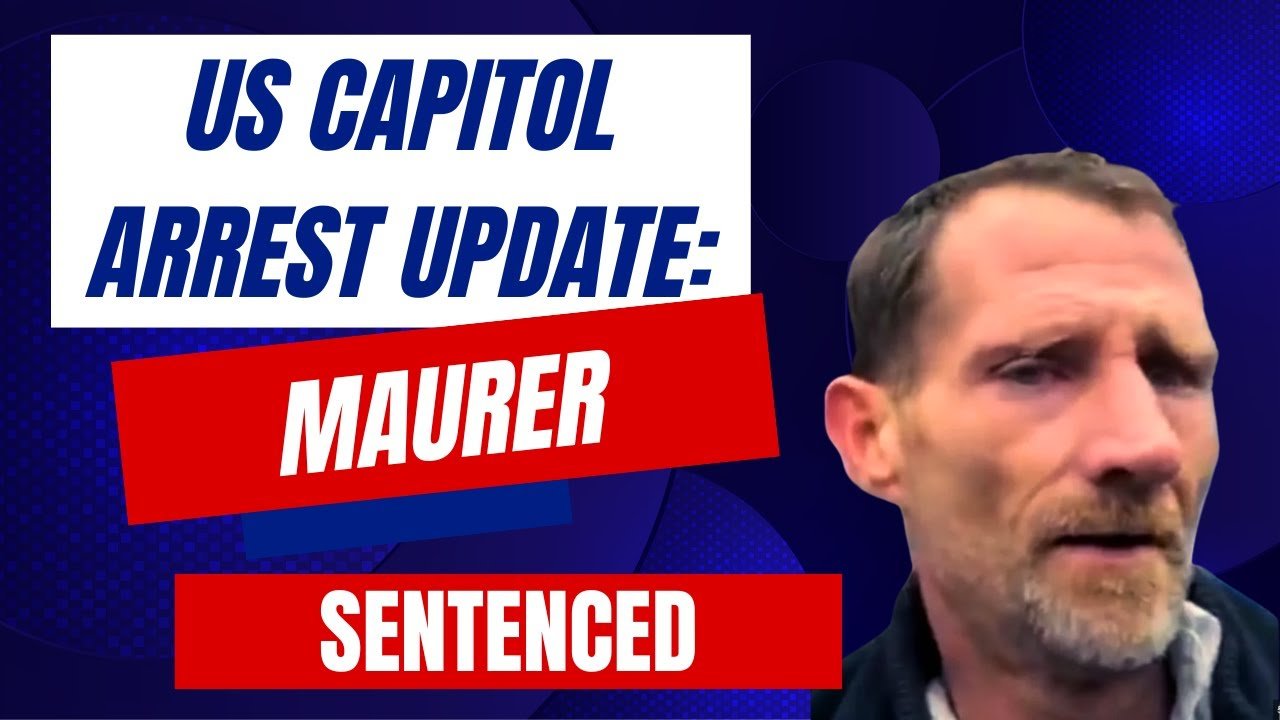 Jerrold Maurer