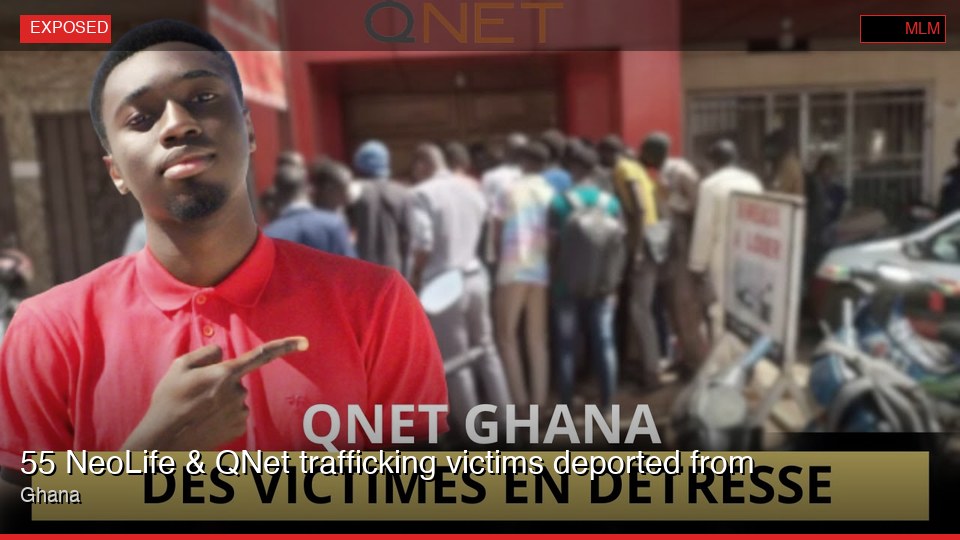
Fifty-five individuals, trafficked into Ghana by recruiters for multi-level marketing companies NeoLife and QNet, were intercepted by the Northern Regional Command and deported to Burkina Faso. The Ghana News Agency first reported this action on September 7th. Thirty-eight of the victims were linked to NeoLife, and seventeen to QNet.
The pattern of these operations is well-documented. Recruiters lure vulnerable individuals with false promises of lucrative jobs. Victims are then guided across borders into Ghana, often from neighboring Burkina Faso. Once in Ghana, their passports are seized, stripping them of their freedom of movement. They are then forced into a cycle of recruitment for the MLM schemes or face continued detention.
Both NeoLife and QNet rely on similar business models. They promote autoship programs, compelling new distributors to commit to monthly product orders. Revenue for these companies primarily flows from these distributor purchases, rather than from genuine retail sales to external customers. Ghanaian authorities describe these structures as "alleged fraudulent schemes" tied to cyber fraud and immigration violations.
QNet, headquartered in Malaysia and founded by Vijay Eswaran, has operated for decades. Regulators worldwide have issued warnings against its practices. Malaysian authorities, however, have not taken significant action. Ghanaian law enforcement has previously moved against QNet; nine of its promoters were arrested in Ghana in July 2025. Across the region, Nigeria also saw the arrest of 26 QNet promoters earlier this year.
NeoLife, an American company founded 81 years ago by Jerry Brassfield, has recently shifted its market focus heavily toward Africa. August 2025 SimilarWeb data showed Nigeria generating 34% of NeoLife's web traffic, nearly equaling the 33% originating from the United States. This regional expansion has coincided with increased scrutiny of the company's recruitment methods on the continent.
The deportations of the 55 individuals represent a direct enforcement response by Ghanaian authorities to these trafficking activities. This action fits into Ghana's broader anti-trafficking efforts. In April 2026, the Ghana Immigration Service rescued 305 West African nationals, including 113 children, from street begging networks in Accra. Such operations underscore the vulnerability of populations targeted by various exploitation schemes within the region.
The repatriation of the 55 individuals to Burkina Faso required diplomatic coordination between Ghana and its neighbor. This effort aimed to ensure support for the victims during their return home and to address the underlying issues of cross-border trafficking.
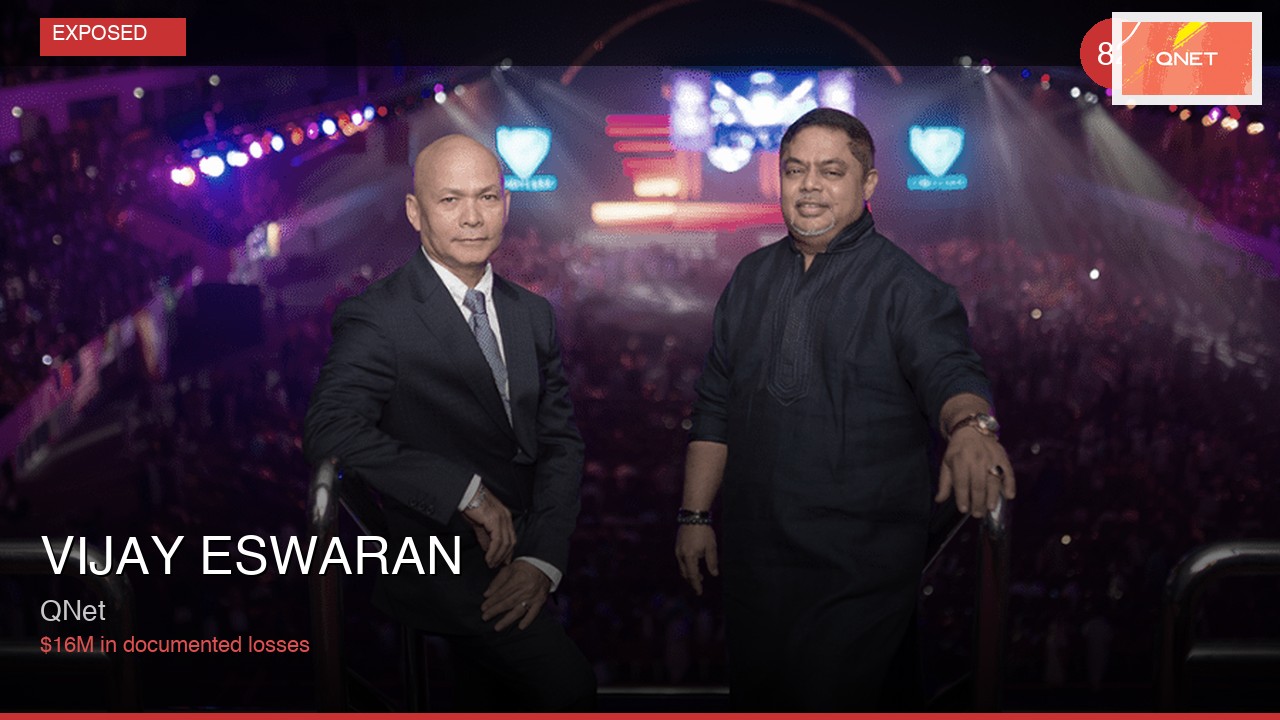 Vijay Eswaran
 Jerry Brassfield