The Autorité des marchés financiers (AMF) in Quebec has issued 52 securities fraud warnings against GSPartners and its associated website domains, marking a significant regulatory action on March 9th. This move follows a consistent pattern of scrutiny across Canadian provinces concerning the Dubai-based operation.
The AMF labeled GSPartners and its parent company, GSB Gold Standard Bank LTD, as a "high-risk platform" dealing in "crypto assets." GSB Gold Standard Bank LTD, a shell company incorporated in Kazakhstan, acts as an umbrella for GSPartners and its related ventures. The Quebec regulator explicitly stated that GSPartners is not registered with the Autorité des marchés financiers. This means it lacks authorization to solicit investments from Quebec residents. Offering or selling unregistered securities to the public is a violation of provincial law, leaving investors without standard protections.
The 52 web domains cited by the AMF direct potential investors to GSPartners, often through individual promoter referral links. For example, increasedollars.com leads to a referral link for Lonnie Jerome Wright, and jamesmoney.com points to James Craig Myles. Many of these domains are registered to known promoters, with Victoria Ann Dean, a US-based GSPartners promoter, linked to ten of them. Other domains, such as truemoneysavings.com and lifestylecard.info, are now inactive or listed for sale, indicating a shifting digital footprint.
GSPartners operates as a multi-level marketing (MLM) crypto Ponzi scheme, according to regulatory observations. Josip Heit, originally from Croatia and believed to hold a German passport, leads the Dubai-based operation. The scheme has cycled through multiple iterations since its 2020 launch, with the current version promoting "metaverse certificates." These certificates solicit investments of up to $200,000 in tether (USDT), promising investors a 300% passive return disbursed over an 18-month period. Such high, guaranteed returns are a hallmark of Ponzi schemes, which rely on funds from new investors to pay off earlier ones, making them inherently unsustainable.
As of March 2023, data from web analytics firm SimilarWeb showed the United States generating 69% of GSPartners' website traffic. Canada accounted for 7%, Greece 5%, and Portugal 4%. Despite this substantial international reach, GSPartners is not registered to offer securities in any of these jurisdictions, nor in any other. This persistent lack of official registration means investors are exposed to significant risks, with no legal recourse or regulatory oversight for their committed funds.
The Quebec AMF's warning is part of a broader regulatory response. Alberta regulators issued fraud warnings against GSTrade and G999 just last month. GSTrade, or Gold Standard Trade, functions as GSPartners' internal exchange, facilitating cryptocurrency transactions within the scheme. G999 is a proprietary cryptocurrency around which GSPartners launched its initial Ponzi iteration. The G999 token, which reached a high of 2 cents in March 2021, traded at $0.0028 at the time of these recent warnings, reflecting a precipitous depreciation that has likely caused substantial losses for investors.
Consistent regulatory actions from Canadian provinces underscore growing concerns over GSPartners' activities. However, despite the United States accounting for the majority of GSPartners' website traffic and investor recruitment, US authorities have yet to announce any enforcement actions. The complexities of cross-border investigations often delay such responses, but this absence of federal intervention leaves a large segment of the scheme's target audience without direct protection from their national financial watchdogs.
The AMF maintains a public registry of individuals and firms authorized to sell financial products and services in Quebec, urging all potential investors to verify registrations before committing any funds.
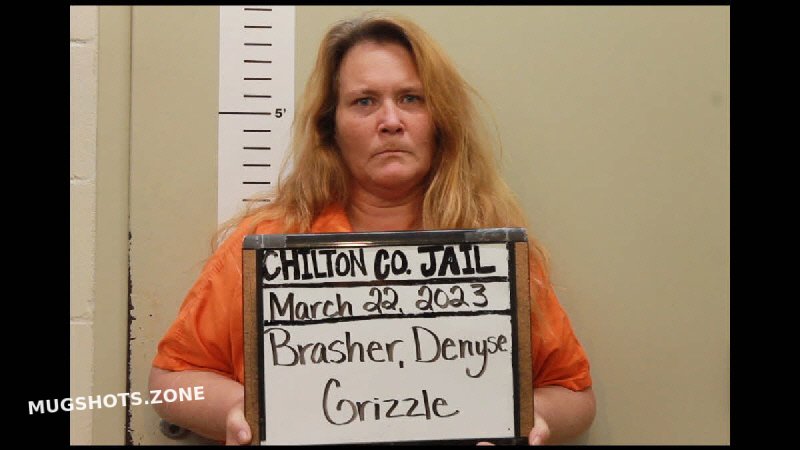 Denise Grizzle
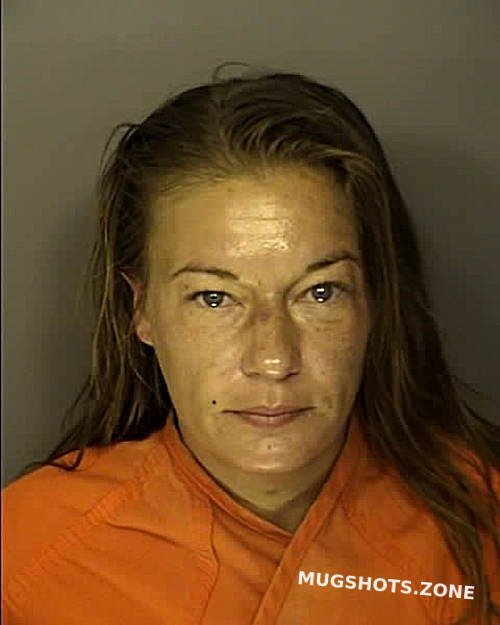 Victoria Ann Dean
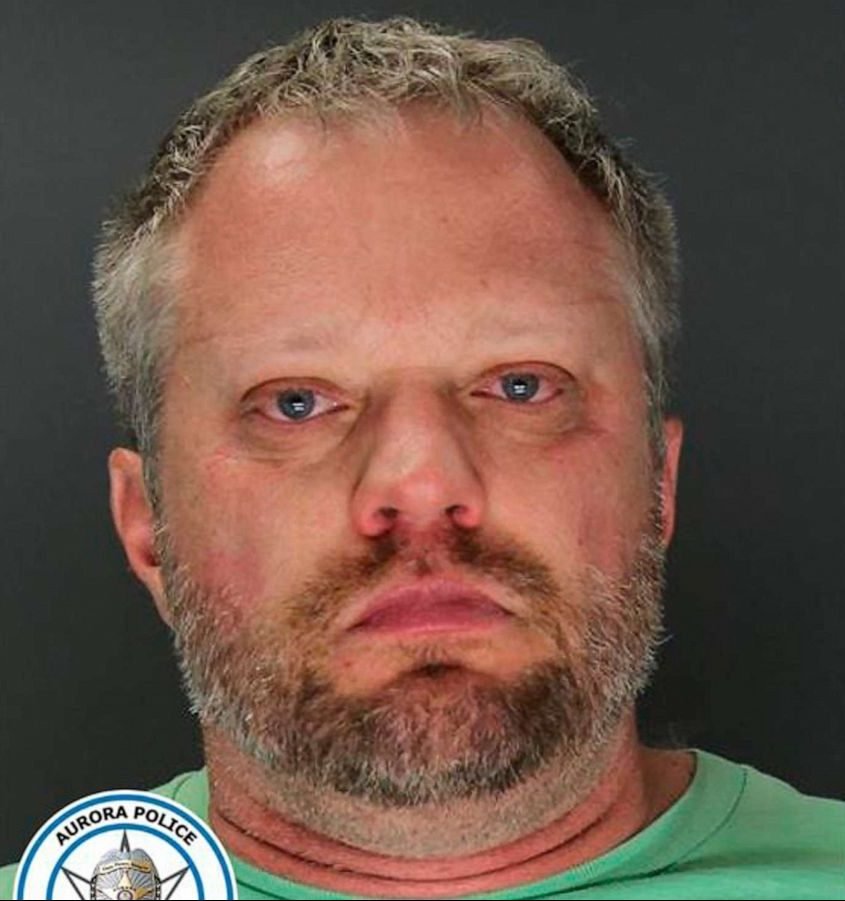 James Craig Myles
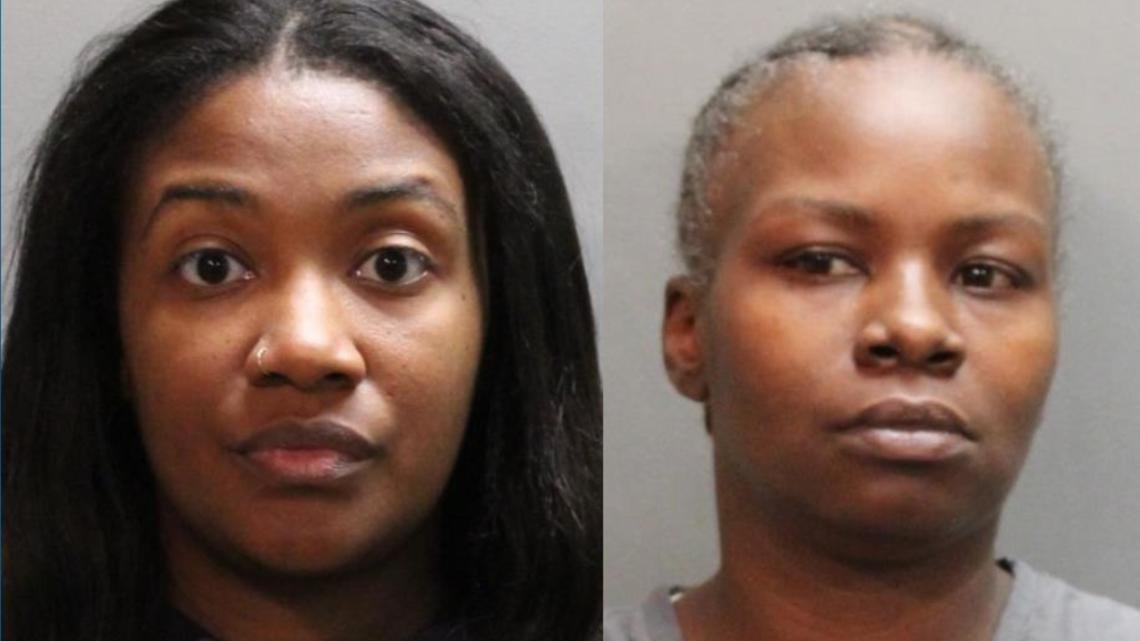 Joann Francis Smith
 Judith Marie Embden
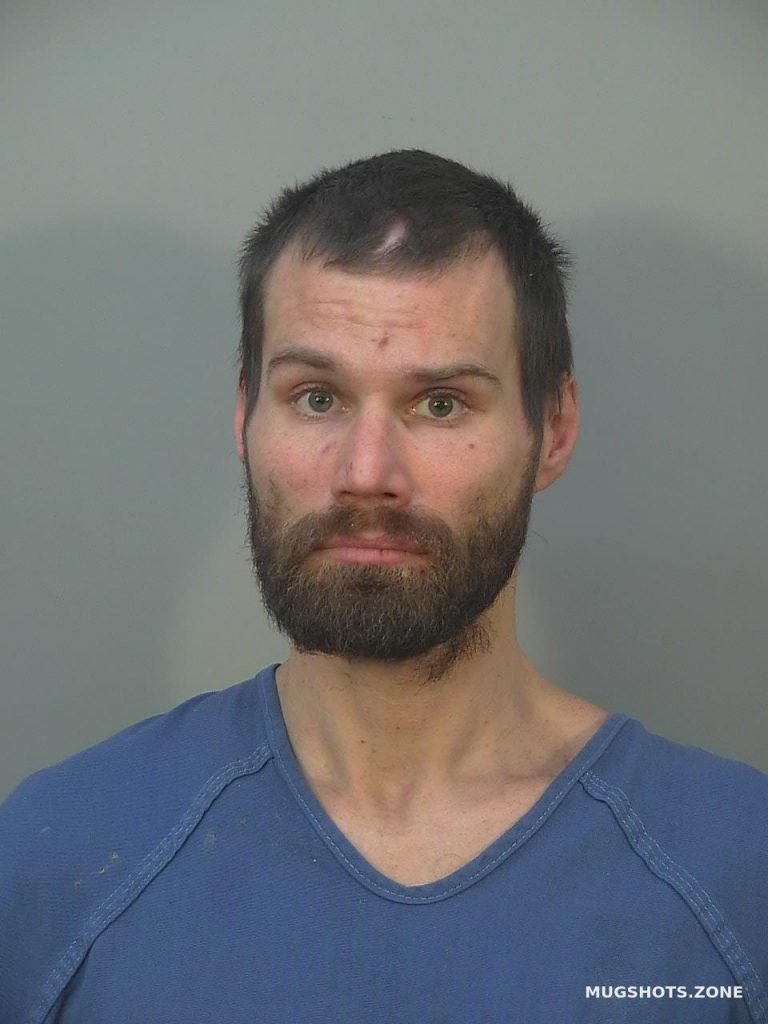 Gary Fredrick Cramer
 Gatha Johnson
 Lebron Oliver Armour
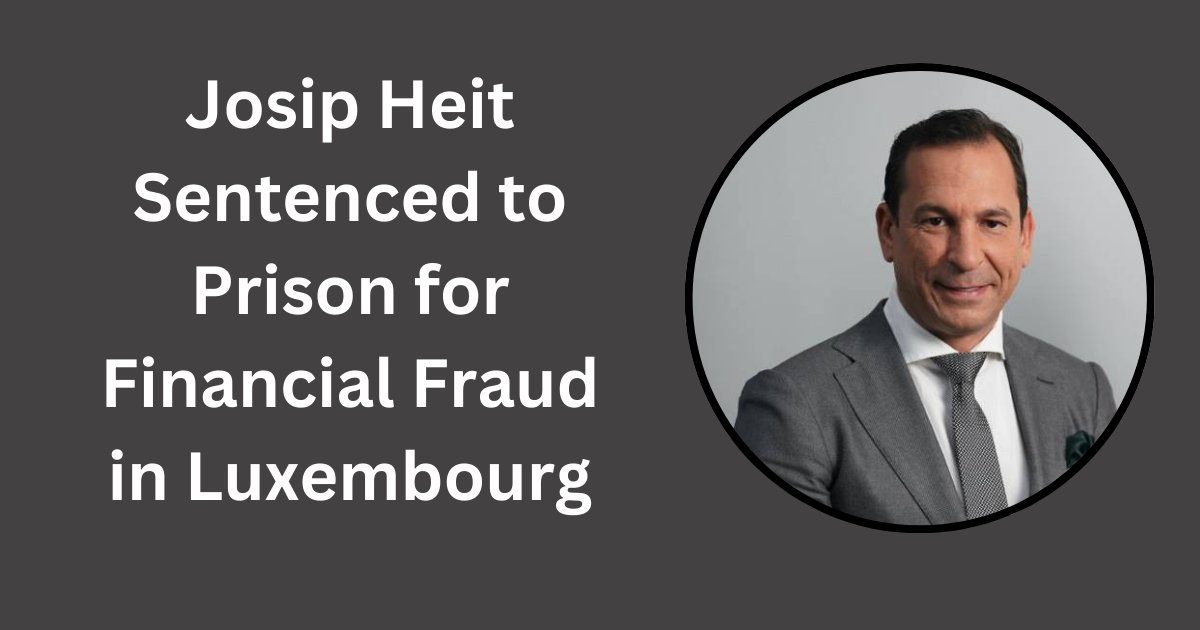 Josip Heit
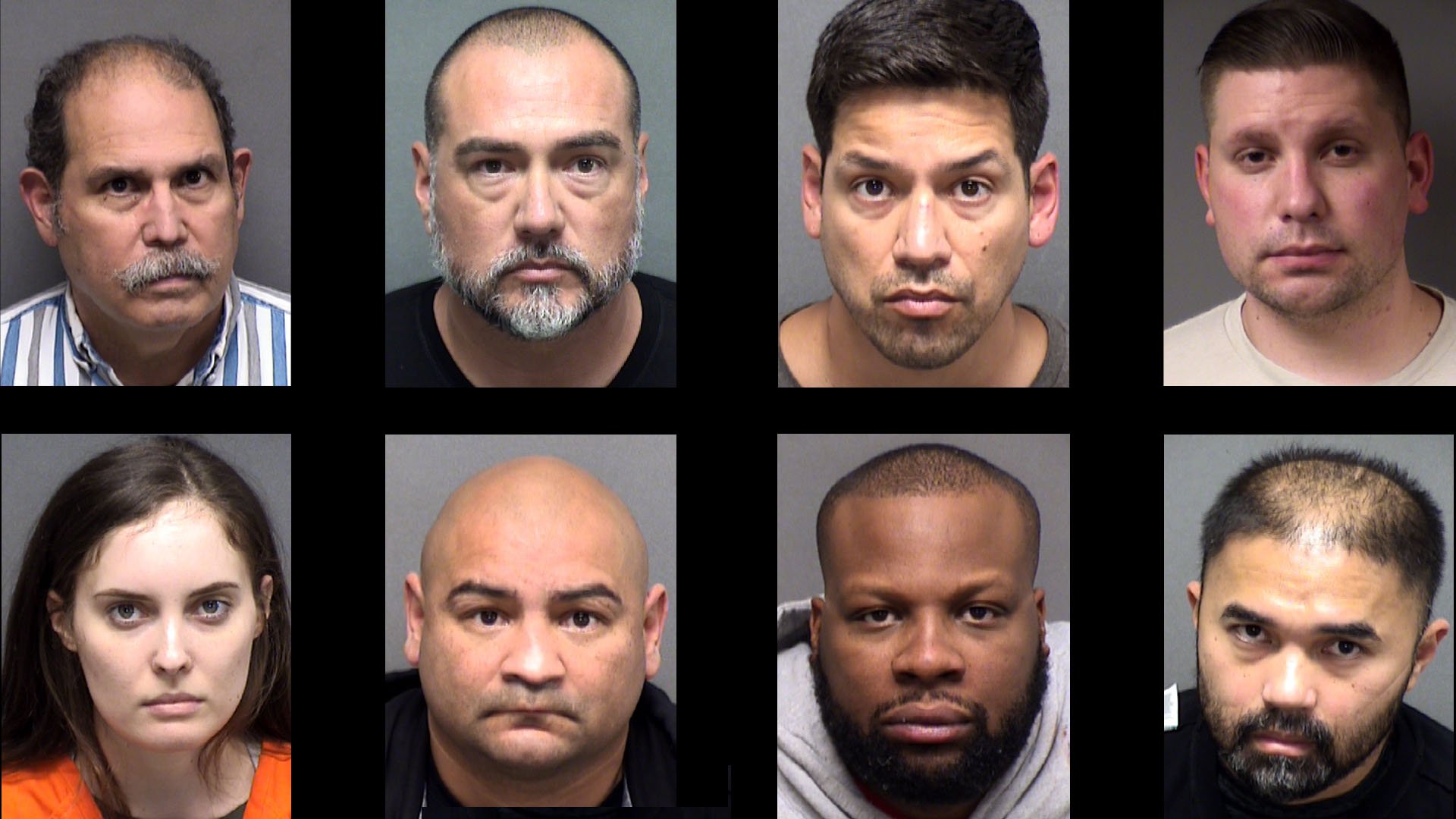 Gary Antonio Barone
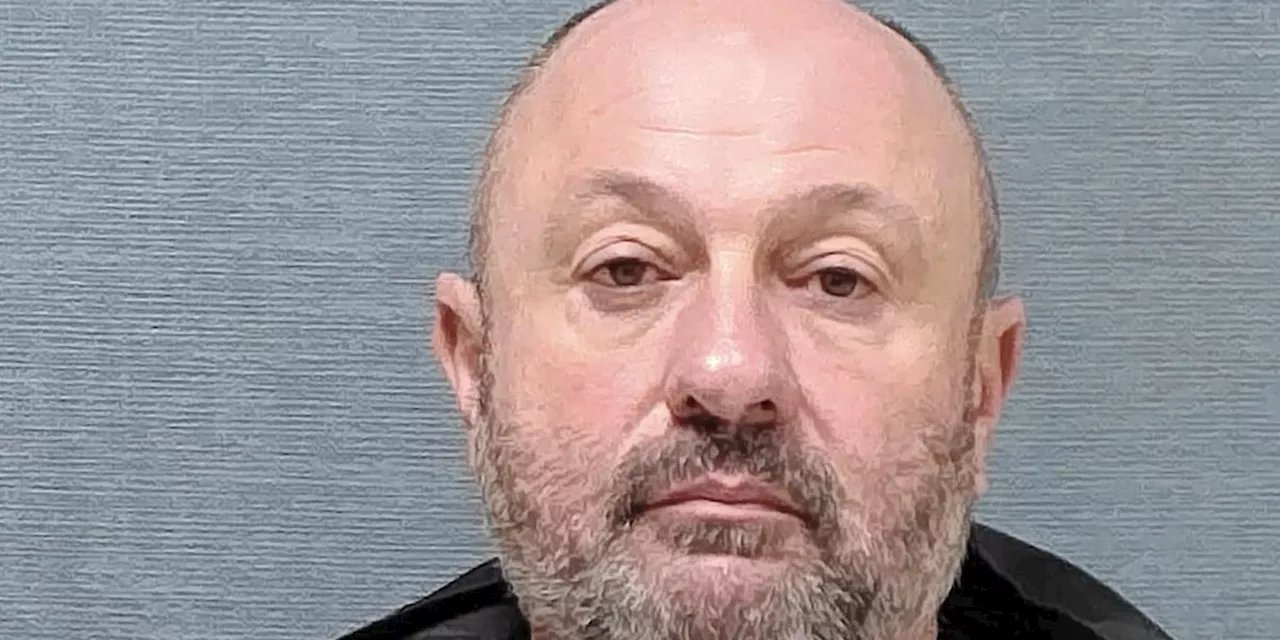 Tegan Robert Langlois