Ghanaian authorities arrested 487 QNet promoters on September 2nd, 2024. The raid took place at a house in Adwuman, near Kenyasi, a suburb of Kumasi. Police announced the details two days later on Facebook. Officers took 257 females and 230 males into custody. Authorities stated the suspects lured victims from across Ghana with promises of substantial financial returns.
Police seized registration documents and materials bearing QNet logos at the scene. While authorities initially described QNet as a Ponzi scheme, its operational model more closely matches a pyramid scheme. QNet, based in Malaysia, operates under founder Vijay Eswaran. Recruits join with expectations of wealth, but quickly find that earnings depend almost entirely on recruiting new participants. This structure aligns with textbook pyramid scheme mechanics.
Twelve individuals identified as scheme executives remain in police custody. They are Gyereh Evelyn, Francis Kpesah, Samuel Musah, Simon Yakubu, Thomas Kotual, Kwasi Nyabi, Benjamin Nsigma, Elijah Musah, Moses Katu, John Balabon Tagnakibi, James Nogma, and Fidelis Bang-ib. All twelve are cooperating with the ongoing investigation.
A Ghanaian court officially banned QNet in November 2022. The recent Kumasi arrests demonstrate the continued operation of scammers despite the court order. In February 2023, police rounded up sixty QNet promoters in a separate action. Before the November 2022 ban, hundreds more were arrested in similar crackdowns.
Ghana has previously dealt with QNet recruitment operations linked to human trafficking. While police have not confirmed trafficking connections with this latest bust, the presence of 487 individuals working QNet from a single property raises questions about the conditions under which participants were operating. This incident mirrors wider regional concerns about individuals being lured into fraudulent schemes under false pretenses.
The arrests reflect a broader push by law enforcement across Africa against organized financial fraud and cybercrime. In December 2025, Interpol announced Operation Sentinel, which resulted in 574 arrests and the recovery of $3 million across 19 African countries. That operation targeted business email compromise, ransomware, and extortion rings. Another Interpol-coordinated effort, Operation Red Card, ran from November 2024 to February 2025. This operation saw 306 suspects arrested and 1842 devices seized across seven countries, impacting over 5000 victims through mobile banking fraud and investment scams.
These regional operations also tackled romance scams and sextortion, highlighting the diverse methods used by criminal networks. In January 2026, Ghanaian security forces arrested nine Nigerians accused of coordinating cybercrime activities from Accra. Forty-four other individuals, believed to be victims lured from Nigeria under false pretenses, were also detained during that operation. The scale of the QNet arrests in Adwuman underscores the persistent challenge of dismantling such schemes.
The Ghana Police Service continues its investigation into the QNet operations.
 Benjamin Nsigma
 John Balabon Tagnakibi
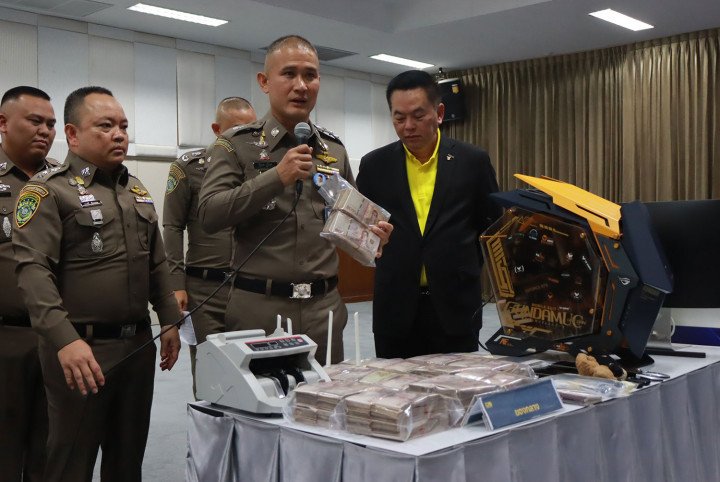 Fidelis Bang-Ib
 Vijay Eswaran
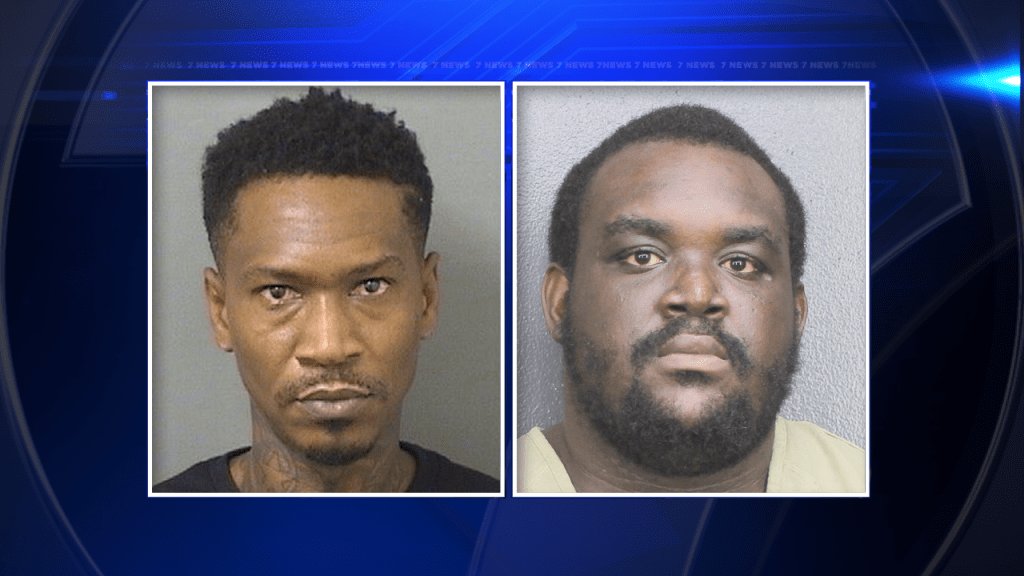 Moses Katu
 Elijah Musah
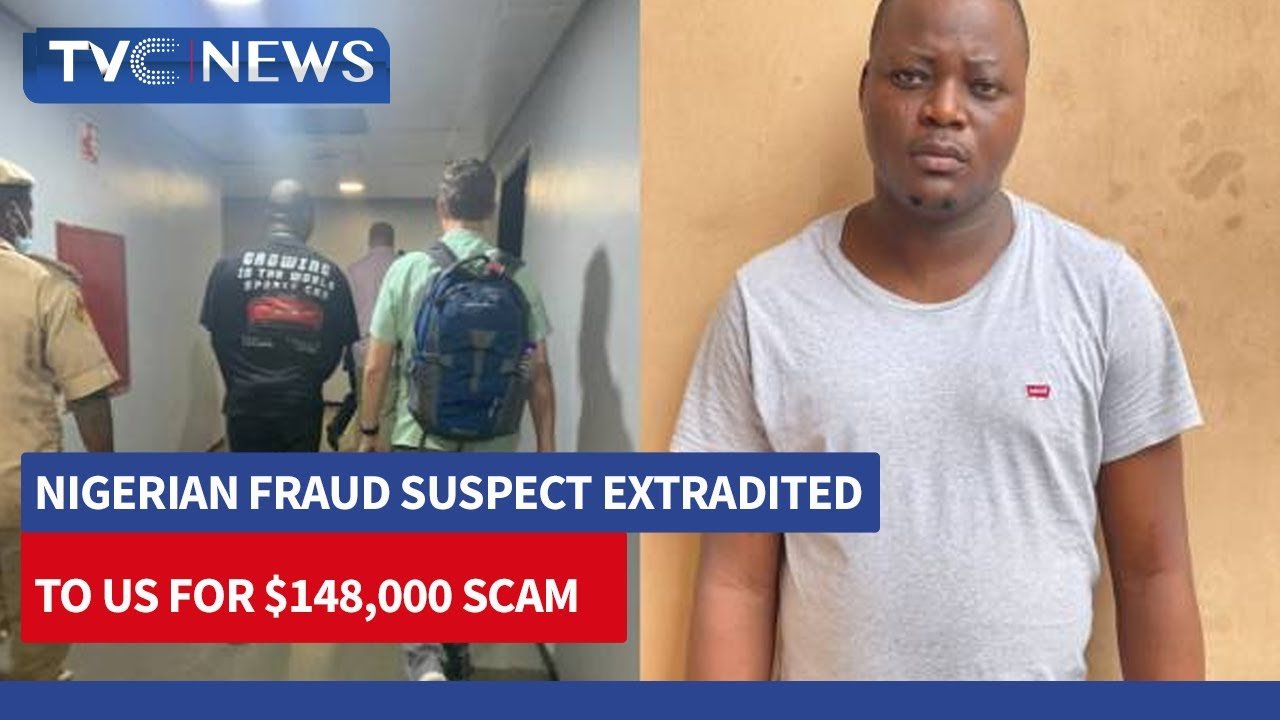 James Nogma
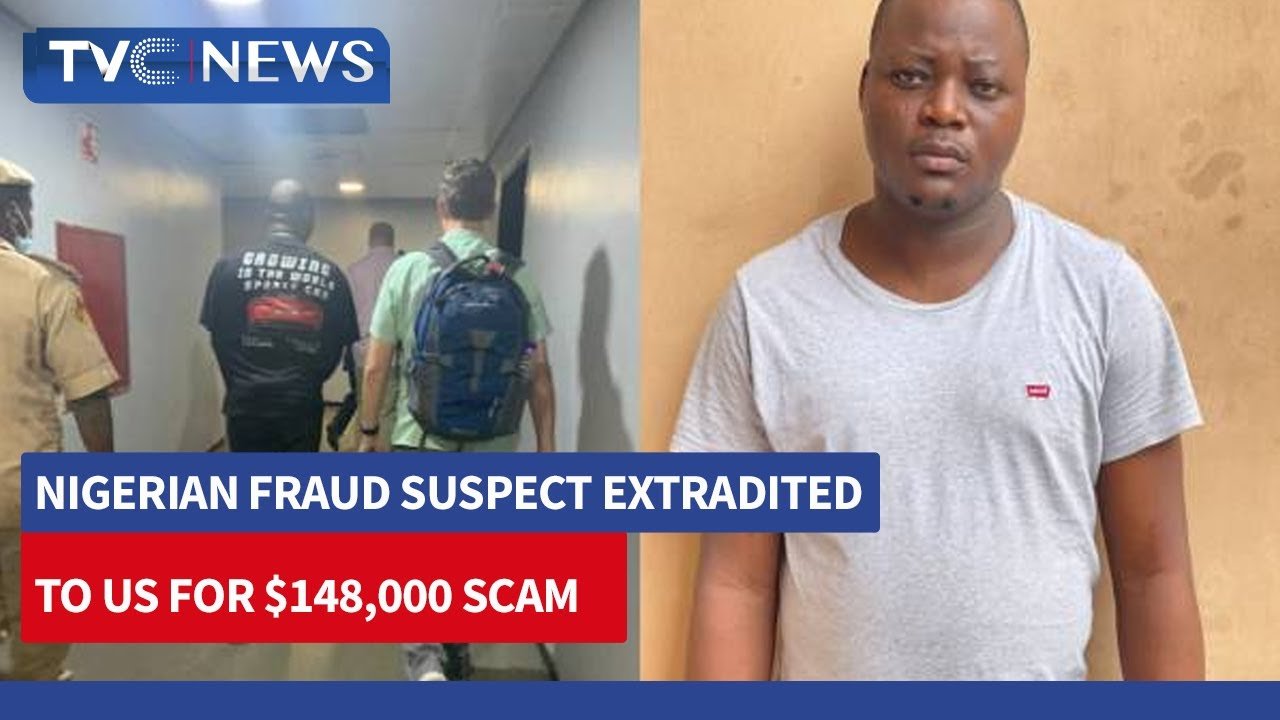 Simon Yakubu
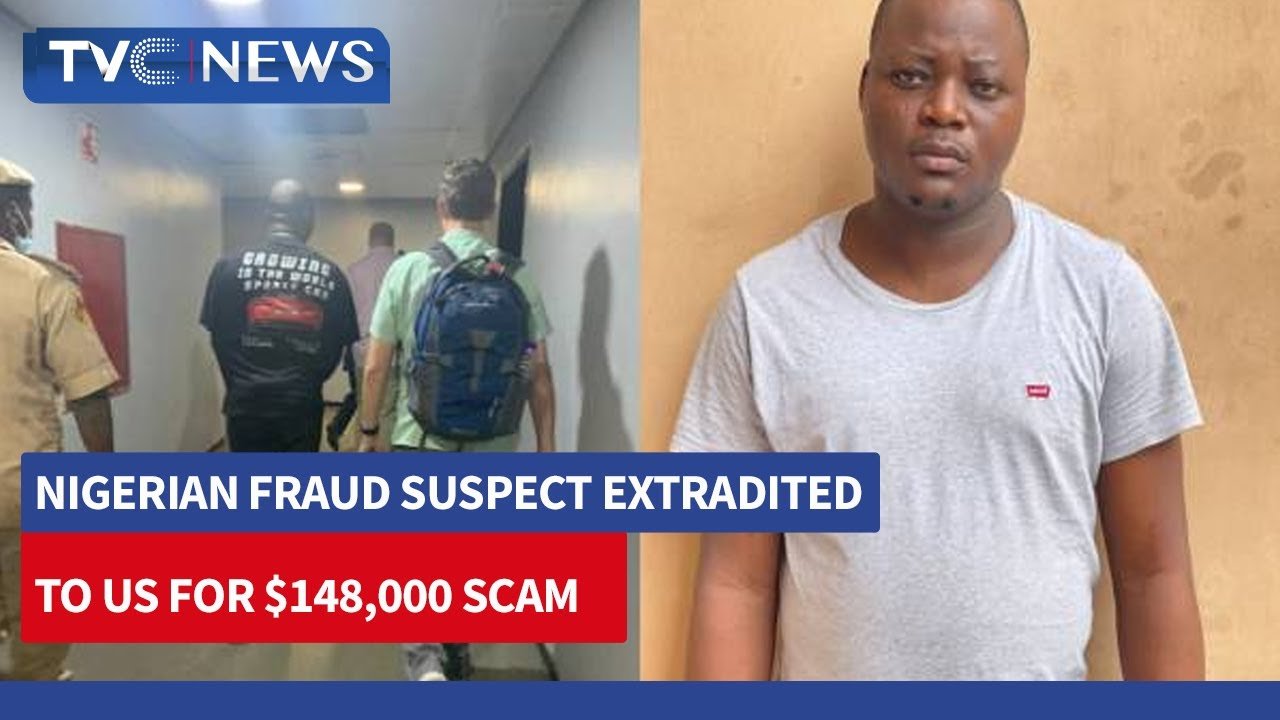 Samuel Musah
 Francis Kpesah
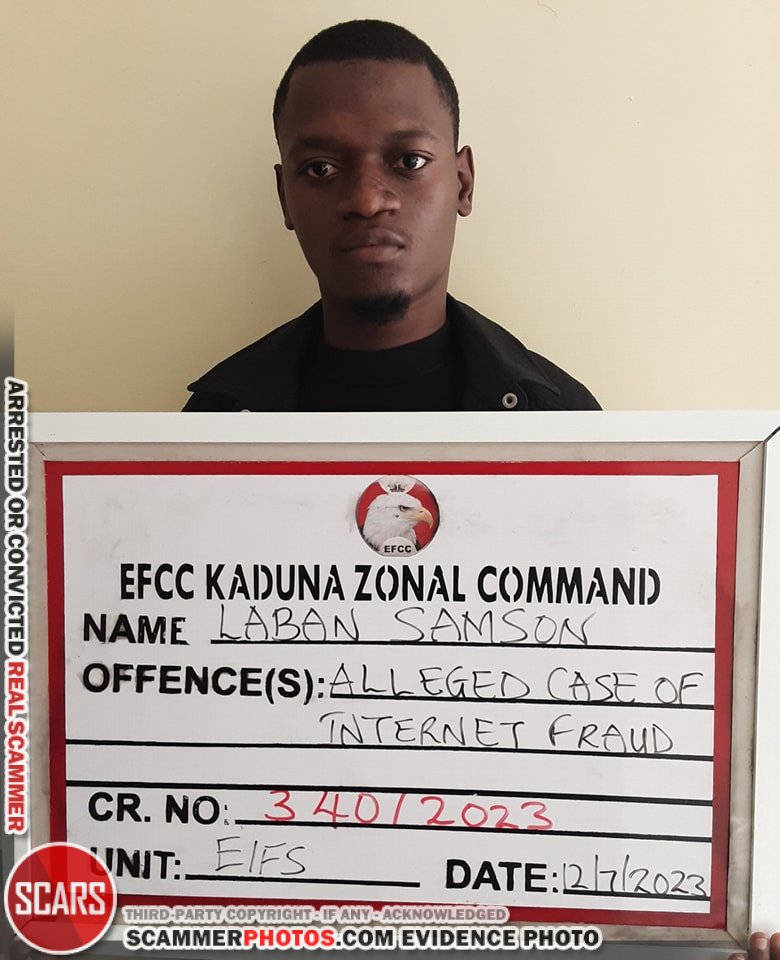 Kwasi Nyabi
 Gyereh Evelyn
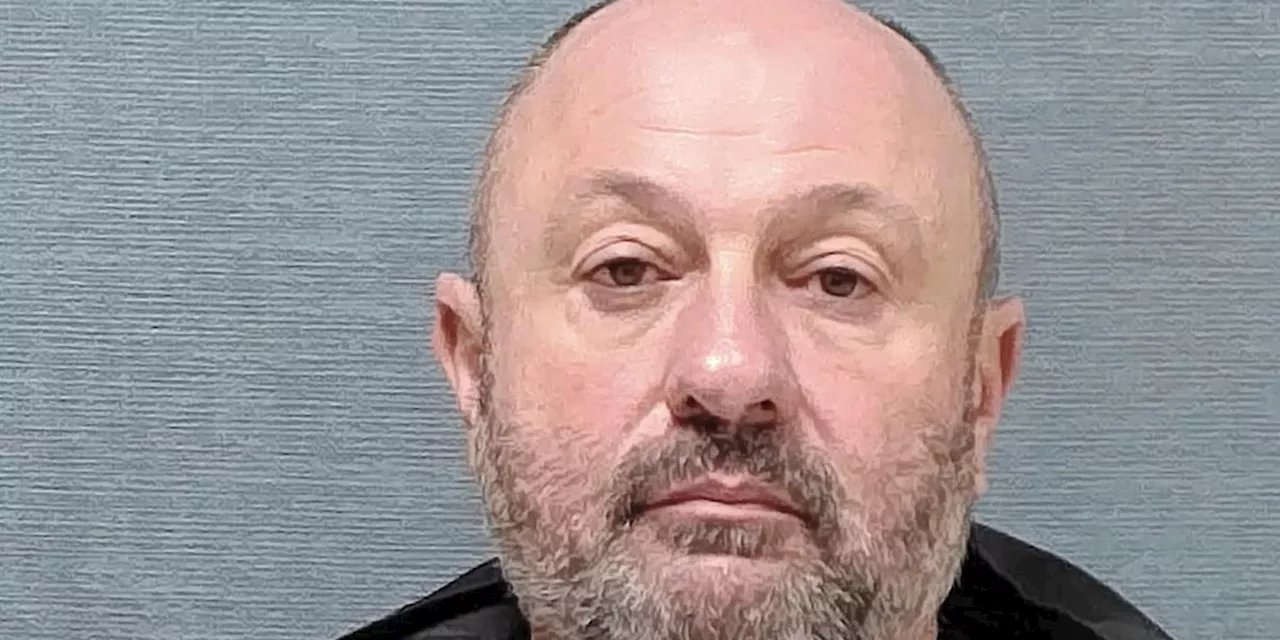 Thomas Kotual