Police in China have recovered $45.7 million in assets tied to a OneCoin cryptocurrency scam, following the arrests of three key affiliates in Zhongshan city. The operation, part of a larger crackdown known as "Hurricane 2016," initially seized $30.8 million, a figure that increased after additional real estate and bank accounts were frozen. Ms. Liao, 40, Ms. Lin, 39, and Mr. Cao, 45, were apprehended on March 16th.
The Zhongshan East District police department began investigating the OneCoin operation in March after receiving reports of a criminal group earning significant sums by soliciting investments. This particular cell, led by Liao, promoted OneCoin as "维卡币" (Vicat Credits) and marketed it as a second-generation virtual currency with substantial growth potential. Authorities seized computers, cell phones, and bank cards as evidence during the arrests.
Liao oversaw a downline that included both Chinese and foreign nationals. Unlike OneCoin's marketing in some other regions, the Chinese operation reportedly bypassed the use of "educational packages." Instead, investors directly transferred funds into bank accounts controlled by Liao and Cao. In return, victims received worthless OneCoin points, often represented by printed barcodes, which held no actual market value.
OneCoin, a global Ponzi scheme, has faced widespread scrutiny and enforcement actions across multiple jurisdictions. Its founder, Ruja Ignatova, disappeared in 2017, and several associates have been convicted of fraud and money laundering. The scheme promised high returns on a digital currency that lacked a functional blockchain or genuine trading platform. Most "earnings" for participants came from recruiting new investors rather than actual cryptocurrency gains.
The Chinese investigation into OneCoin operations falls within a broader effort by Guangdong police targeting drug, theft, and financial fraud crimes. Authorities estimate that thousands of Chinese OneCoin affiliates have invested approximately $91.4 million into the scheme. The recovery of over $45 million and the disruption of a significant investment source in China will likely impact the scheme's regional activities.
Following news of the arrests and asset freezes, OneCoin quietly cancelled a scheduled event in Harbin, mainland China. A replacement event in Macau was announced a few weeks later. This shift suggests a retreat from direct mainland engagement as law enforcement pressure mounts. Chinese authorities have maintained a strict stance on unregistered financial schemes and fraudulent cryptocurrency operations, leading to numerous arrests and asset seizures in recent years. The continued investigation and prosecution of individuals involved in such scams underscore the government's commitment to combating financial fraud.
 Ms. Lin
 Ms. Liao
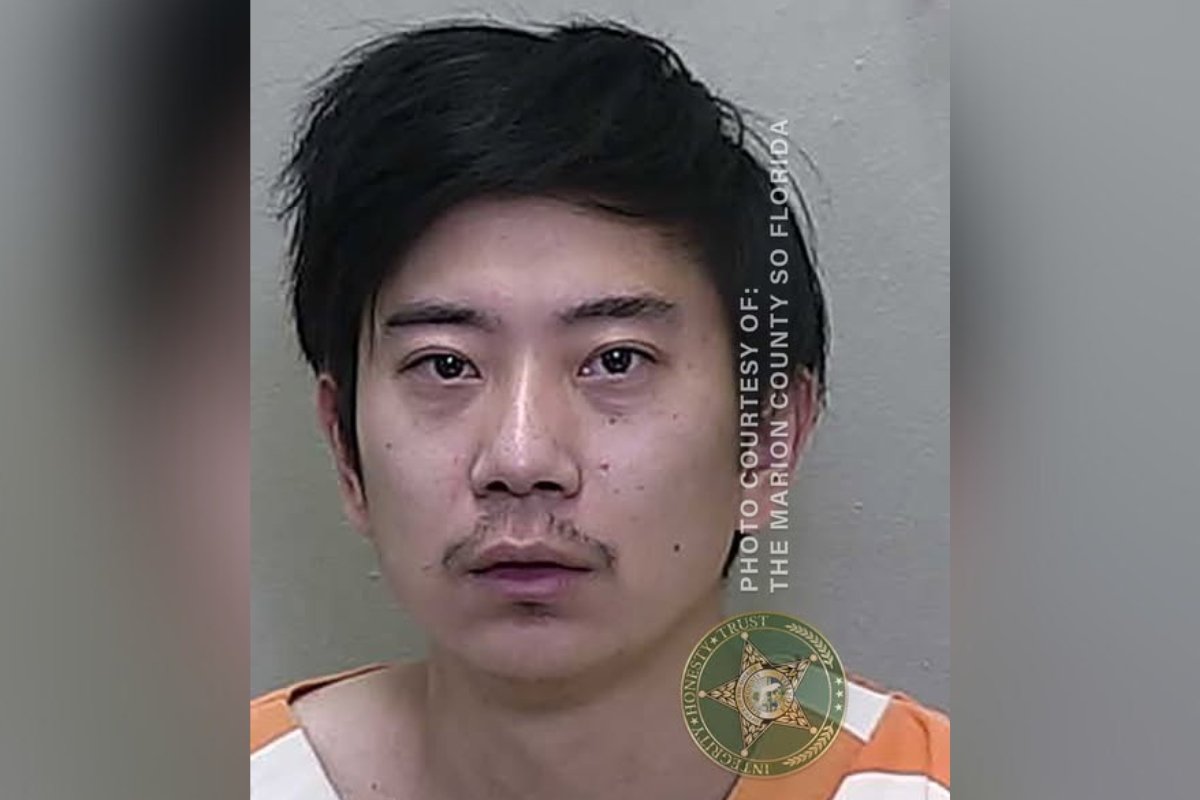 Mr. Cao