
Moyn and Monir Islam, prominent UK-based promoters for the OneCoin cryptocurrency scheme, recently abandoned their reported downline of over 26,000 members. Their departure this month follows weeks of speculation and signals further instability within the embattled global operation.
The brothers, who operated the "ODT GoPro" downline, confirmed their exit in a Facebook video. They stated OneCoin had brought them "multiple six-figure income" over fourteen months. They did not specify why they left, attributing the decision to a "collective force" and a buildup of unanswered questions that eroded their confidence in the company's long-term viability. They admitted staying longer than they should have, driven by loyalty and belief in unspecified promises.
Other high-profile promoters have also exited the scheme. David Imonitie, a "Top Earner" who joined OneCoin in October from Organo Gold, confirmed his departure earlier this month without explanation. Many US OneCoin affiliates reportedly shifted to iPro Network, a move rumored to involve an arrangement between OneCoin founder Ruja Ignatova and iPro Network's Armando Contreras. Tom McMurrain, another vocal OneCoin promoter, briefly ceased his promotions. He returned to OneCoin after iPro Network reportedly declined to accept him, resorting to online insults to promote the token.
The Islam brothers expressed awareness of the confusion among their followers. They explained their belief in OneCoin had vanished, preventing them from promoting it with their previous conviction. They cited specific knowledge that made continued promotion impossible, but they refused to elaborate on what they knew.
Their continued association with OneCoin highlights a common trap for top-tier promoters. The brothers stated they "won't be networking for OneLife," the marketing arm of OneCoin, but still "believe in Doctor Ruja's vision" and "still have our accounts. We still have the coins." This suggests their invested funds remain tied up within the OneCoin system, making full disavowal financially difficult. Like many participants, the Islam brothers have likely been unable to convert their OneCoin holdings into spendable currency for approximately a year.
The inability to cash out OneCoin "points" stands in stark contrast to legitimate cryptocurrencies, where users maintain direct control over their assets. OneCoin's centralized system means account balances can be frozen or cancelled by the company. Leaders who openly criticize the scheme risk losing their trapped funds entirely. This dynamic often forces a nuanced stance from departing promoters, who must balance their need to move on with the desire to protect their existing investments.
Last week, OneCoin attempted damage control by increasing the declared value of its Ponzi points by 25.5% to 9.85 euros. This paper gain means little to affiliates who cannot convert these points to actual cash. Such moves do not address the fundamental issue of liquidity or the ongoing legal challenges facing the company.
London police are actively investigating OneCoin in the United Kingdom. Globally, the scheme has drawn intense scrutiny from regulators and law enforcement. The US Supreme Court, for instance, in October 2025, declined to hear an appeal from a former partner at the law firm Locke Lord, upholding his conviction tied to the OneCoin fraud.
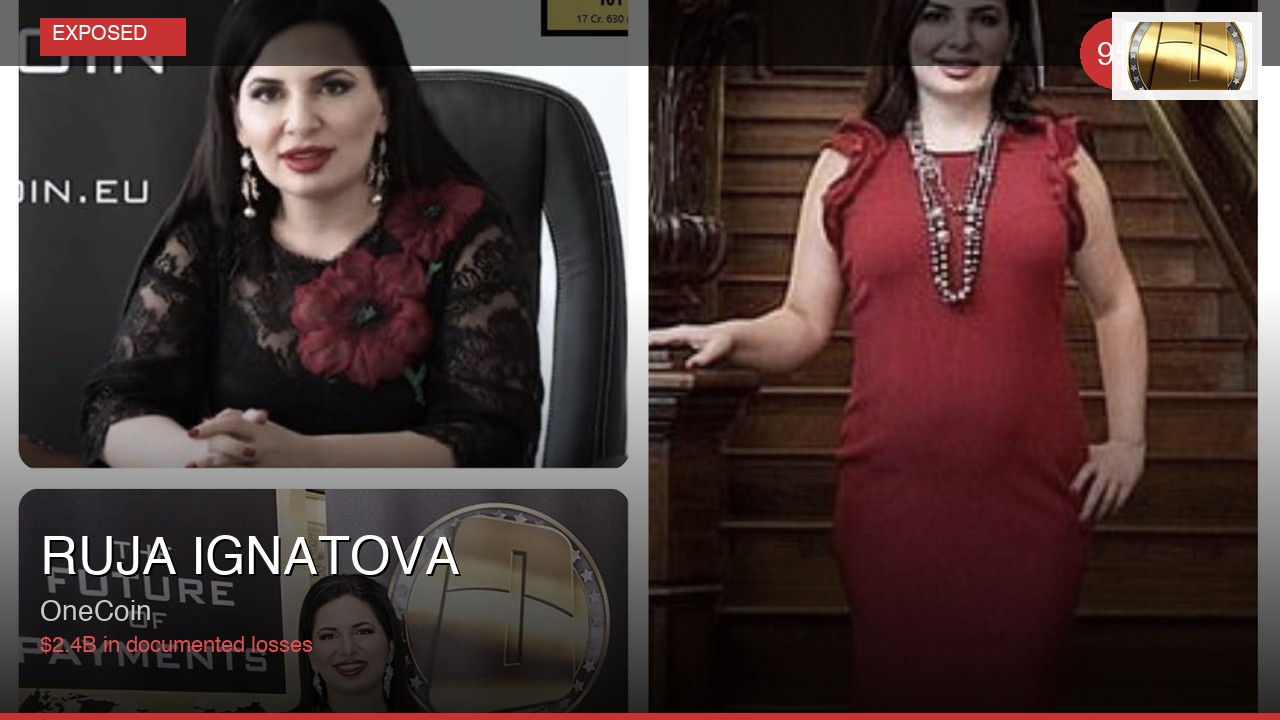 Ruja Ignatova