A lawsuit has been filed against the defunct 18K Ronaldinho investment scheme, naming Brazilian football icon Ronaldinho Gaúcho as a defendant. The action comes after investors across several countries were left with worthless balances and no access to funds from the collapsed operation.
The 18K Ronaldinho operation, which ScamTelegraph reported on late last year, promised investors daily returns of 0.99% on deposits ranging from $30 to $12,000. This financial model relied on an unsustainable flow of new investor money to pay existing participants, a hallmark of a Ponzi scheme. Such high, consistent returns are not achievable in legitimate investment vehicles.
Organizers prominently featured Ronaldinho Gaúcho as an "Ambassador" for the venture. This association aimed to lend an air of legitimacy and attract participants. But after the scheme began to unravel, the former football star publicly stated his image had been used without his permission.
The Institute for Consumer Defense (IDEC) initiated the legal complaint on behalf of approximately 150 alleged victims. Named defendants in the lawsuit include Marcelo Lara, the scheme's founder, along with top promoters Bruno Rodrigues Alcantara, Raphael Horacio Nunes de Oliveira, and Athos Trajano da Silva.
IDEC is seeking R$300 million in damages, equivalent to about $69.8 million. The complaint does not specify whether this sum represents the actual capital invested by victims or the total of the promised, but never realized, returns. Recovery of funds in international financial fraud cases often presents significant challenges for victims.
The plaintiffs involved in the suit originate from Brazil, the United States, Portugal, and Italy. While 18K Ronaldinho primarily targeted individuals within Brazil, founder Marcelo Lara is believed to operate out of Florida. US authorities have not yet announced any investigations into Lara's activities.
Lara has publicly attributed the scheme's collapse to unspecified "fraud." He reportedly promised to reimburse investors with luxury watches and shares in other companies. Customers, however, report these promises have not been met, often receiving counterfeit watches or equity in shell corporations with no real value.
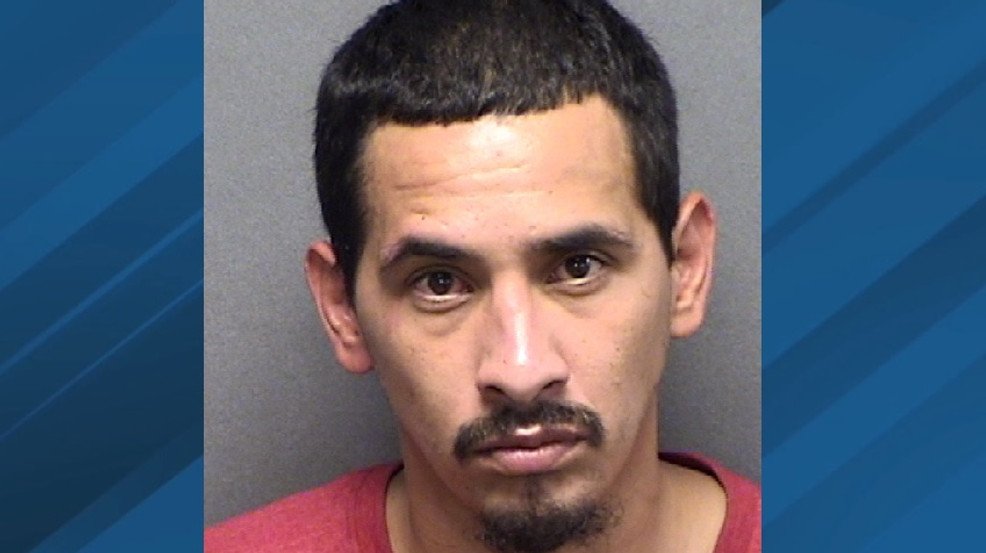 Athos Trajano Da Silva
 Bruno Rodrigues Alcantara
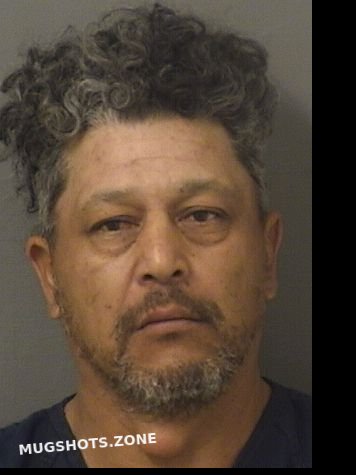 Marcelo Lara
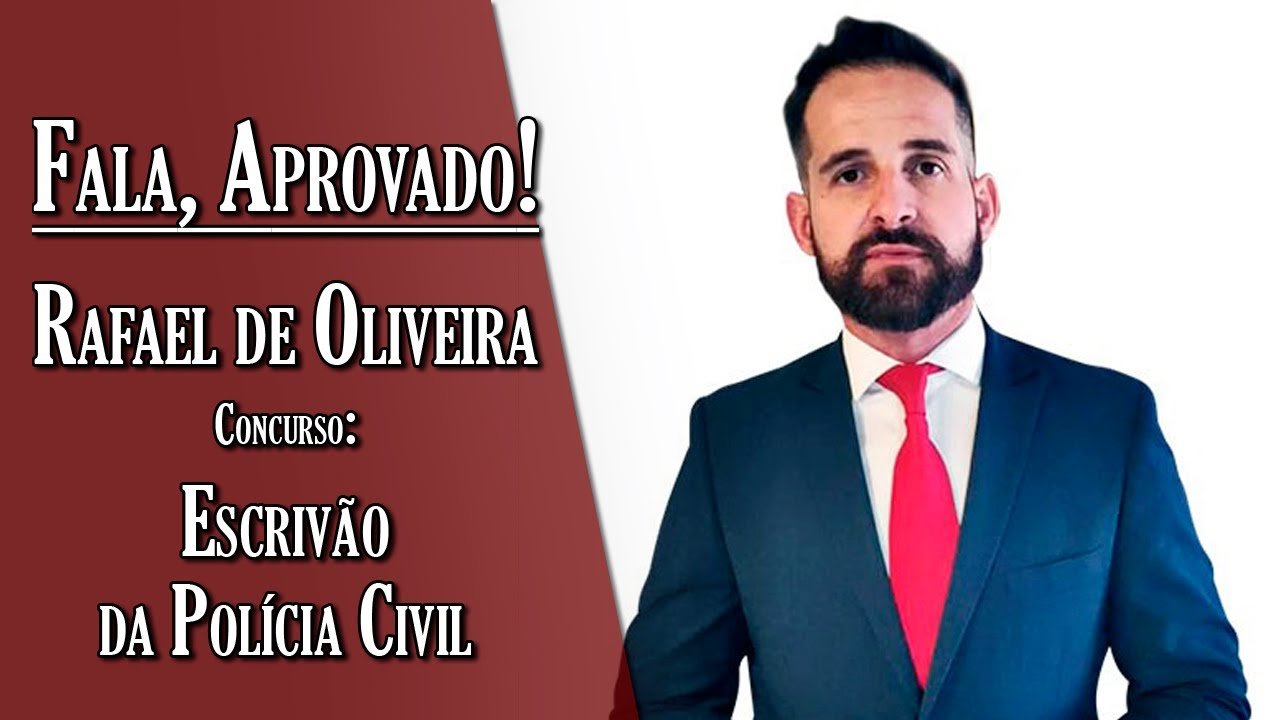 Raphael Horacio Nunes De Oliveira