Ghanaian police arrested fifteen QNet affiliates on October 15, rescuing 396 individuals who were allegedly held captive inside various recruitment houses. The operation involved 100 trainees from the High Risk Operation Training Camp, according to reports from the Ghanaian Times.
The suspects included fourteen individuals from Nigeria and Ghana, along with one person from Burkina Faso. They reportedly charged victims between GHC 3,800 and GHC 4,500, roughly equivalent to $623 to $738 US dollars, with false promises of employment at a "Qnet Network Marketing Company."
Those arrested were Abubabakar Abdulai, 26; Kolanlam Emmanuel, 25; Charles Hundolo, 27; Mohammed Waris, 23; Mivadesome James, 24; Aglo Benjamin, 32; Samuael Atima, 26; Clement Delma, 32; Enest Segbedzi, 25; Kuetsidzo Edwin Rodney, 23; Adjetey Selorm, 30; Atcher Simon, 23; Anane Jacob, 30; Dagadu Evans, 27; and Ahiagbenyo Mawuli, 30.
A sting operation conducted two weeks prior to the arrests first exposed the scheme. Victims paid money under the impression they would receive products for resale, expecting "super profits" and commissions from QNet. Instead, the suspects subjected them to tutorials, confined them in rented apartments, and prevented them from leaving or meeting anyone face-to-face. Communication was restricted to online platforms or monitored phone calls. The victims' primary task became recruiting more individuals into the scheme.
Prosecutors state the targets were often family members, relatives, coworkers, friends, and anyone desperate for work. This arrangement kept victims isolated and pressured to work for their captors, effectively turning them into unwilling recruiters.
This pattern is not new in Ghana. QNet affiliates have used similar tactics involving forced confinement and coercion for some time. In a separate incident in August, two Ghanaian affiliates reportedly abducted a victim and refused his release until he contacted his family to demand more cash.
QNet itself has faced accusations of inaction regarding these ground-level activities. Critics argue that as long as recruitment fees continue to flow upward, the company ignores the methods used by its affiliates. Ghanaian authorities have declared their intention to pursue "all perpetrators of Qnet Company and their managers in the region."
Daily Exposed described QNet as a blatant pyramid scheme in 2017. The operational model has remained consistent: individuals pay to join, receive minimal or no retail value for products, and earn primarily through recruiting others who also pay membership fees.
Following enforcement action, Ghana's regulators ordered QNet to cease operations in the country on November 4, 2022.
 Samuael Atima
 Clement Delma
 Anane Jacob
 Adjetey Selorm
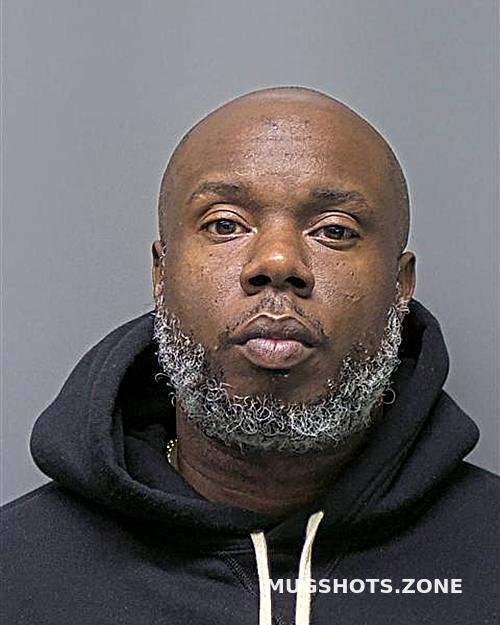 Kuetsidzo Edwin Rodney
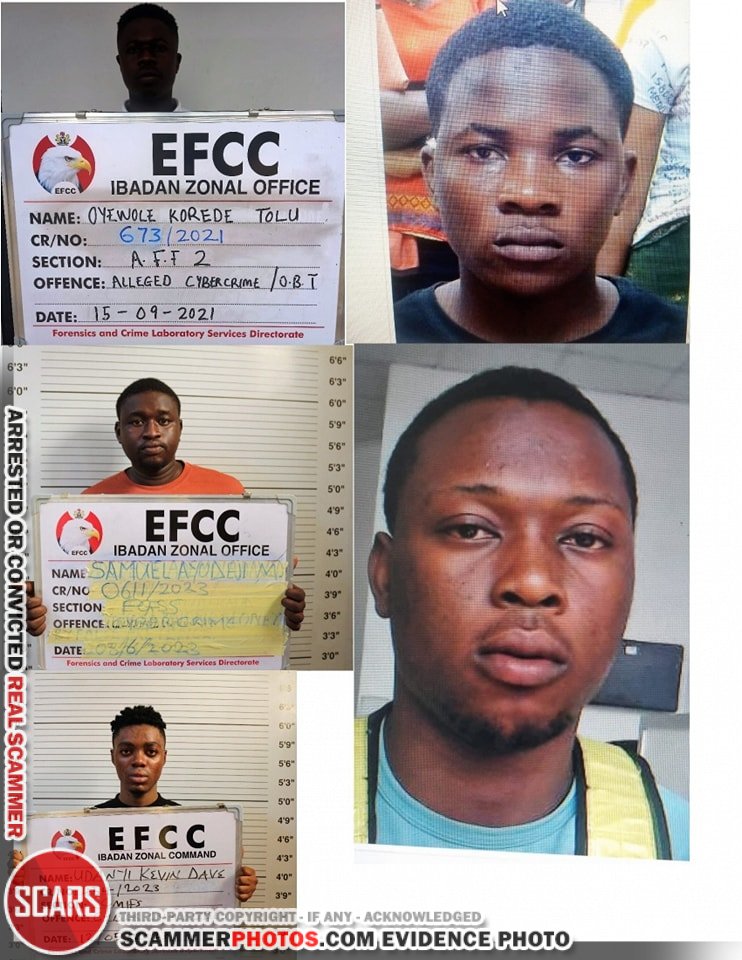 Kolanlam Emmanuel
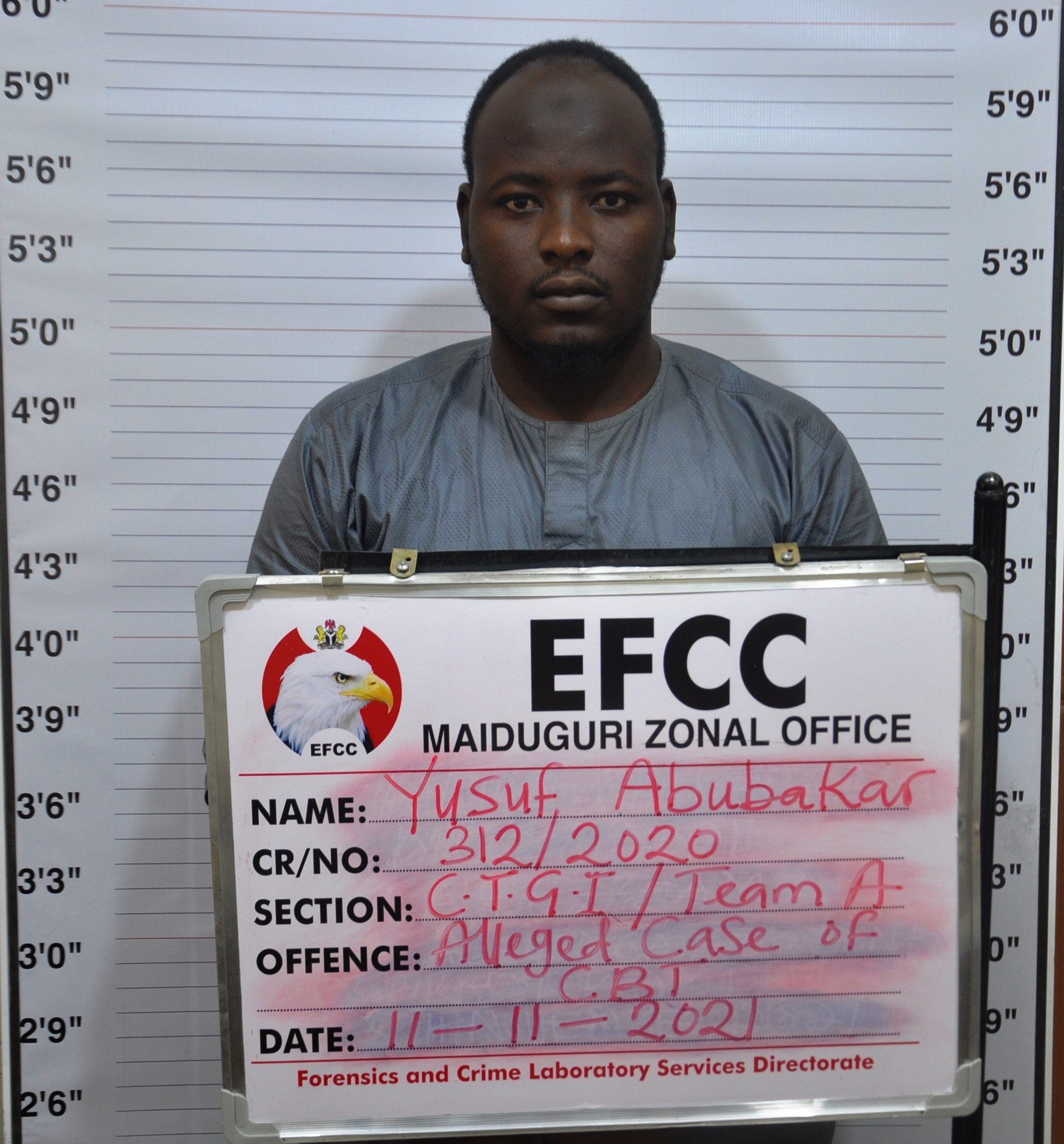 Abubabakar Abdulai
 Aglo Benjamin
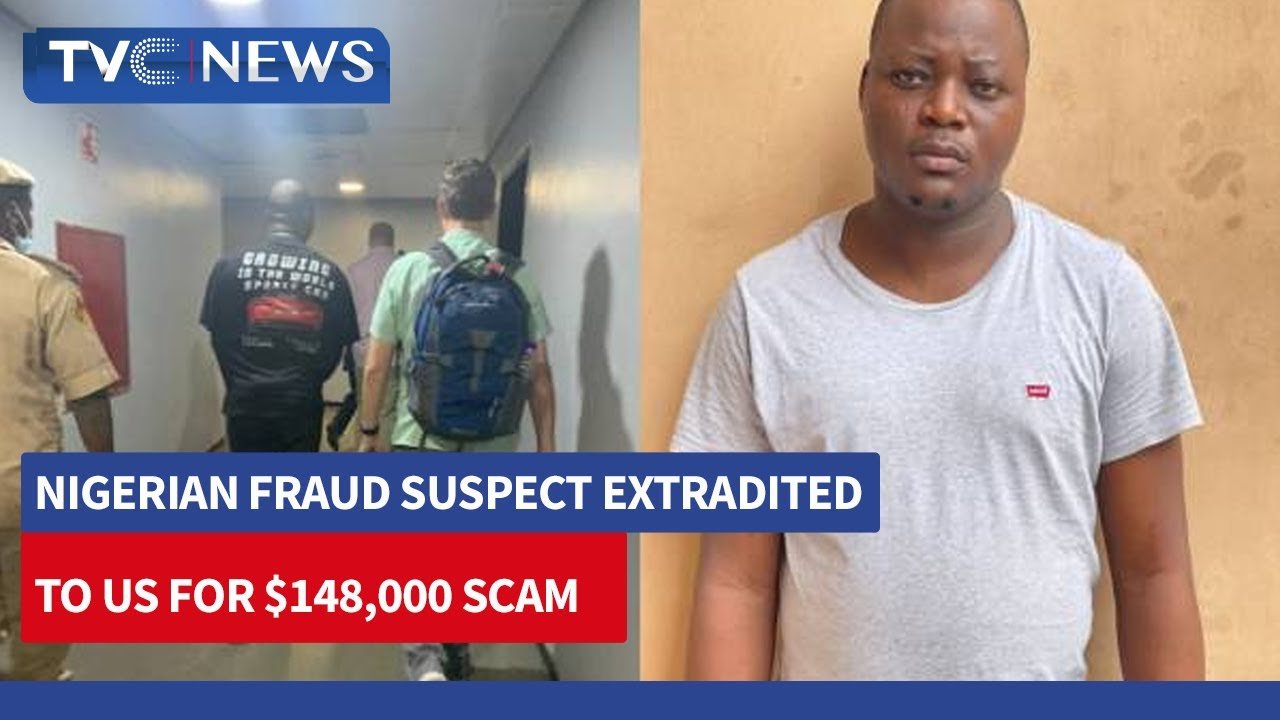 Dagadu Evans
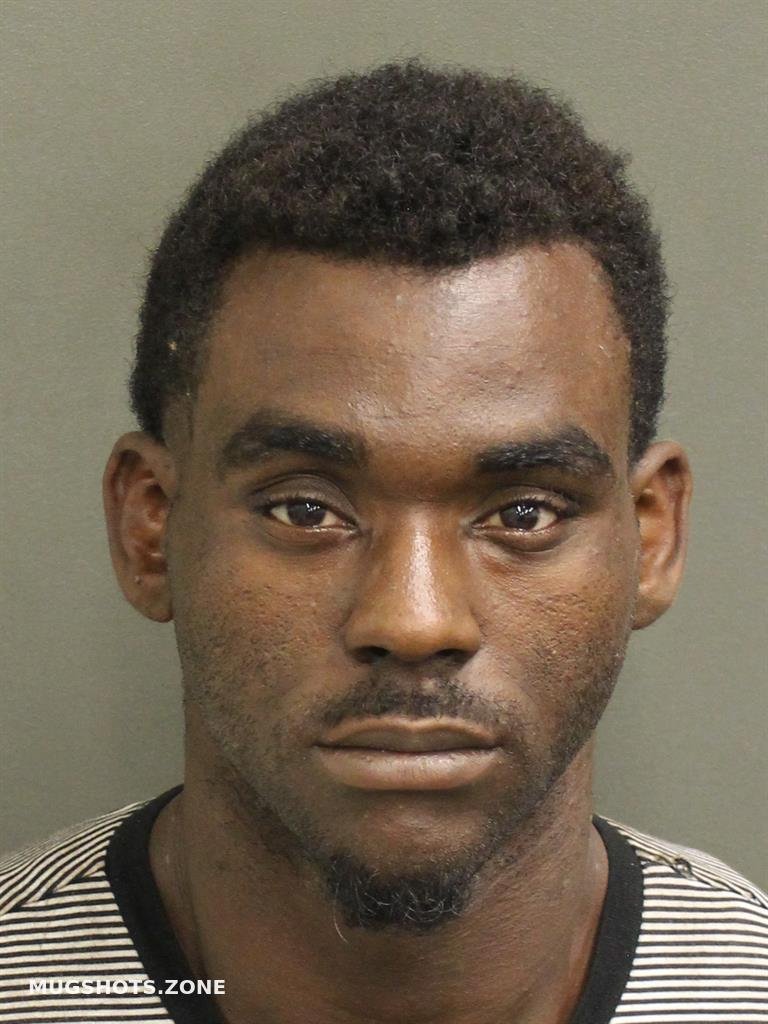 Atcher Simon
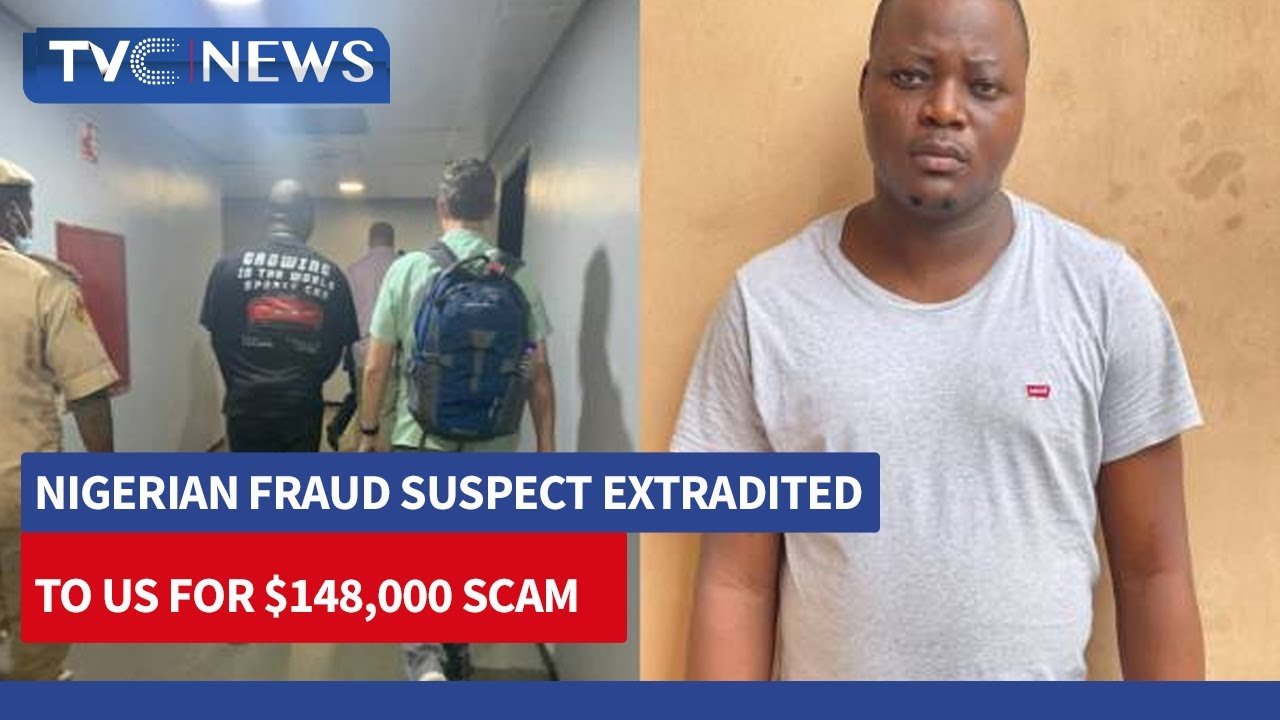 Mivadesome James
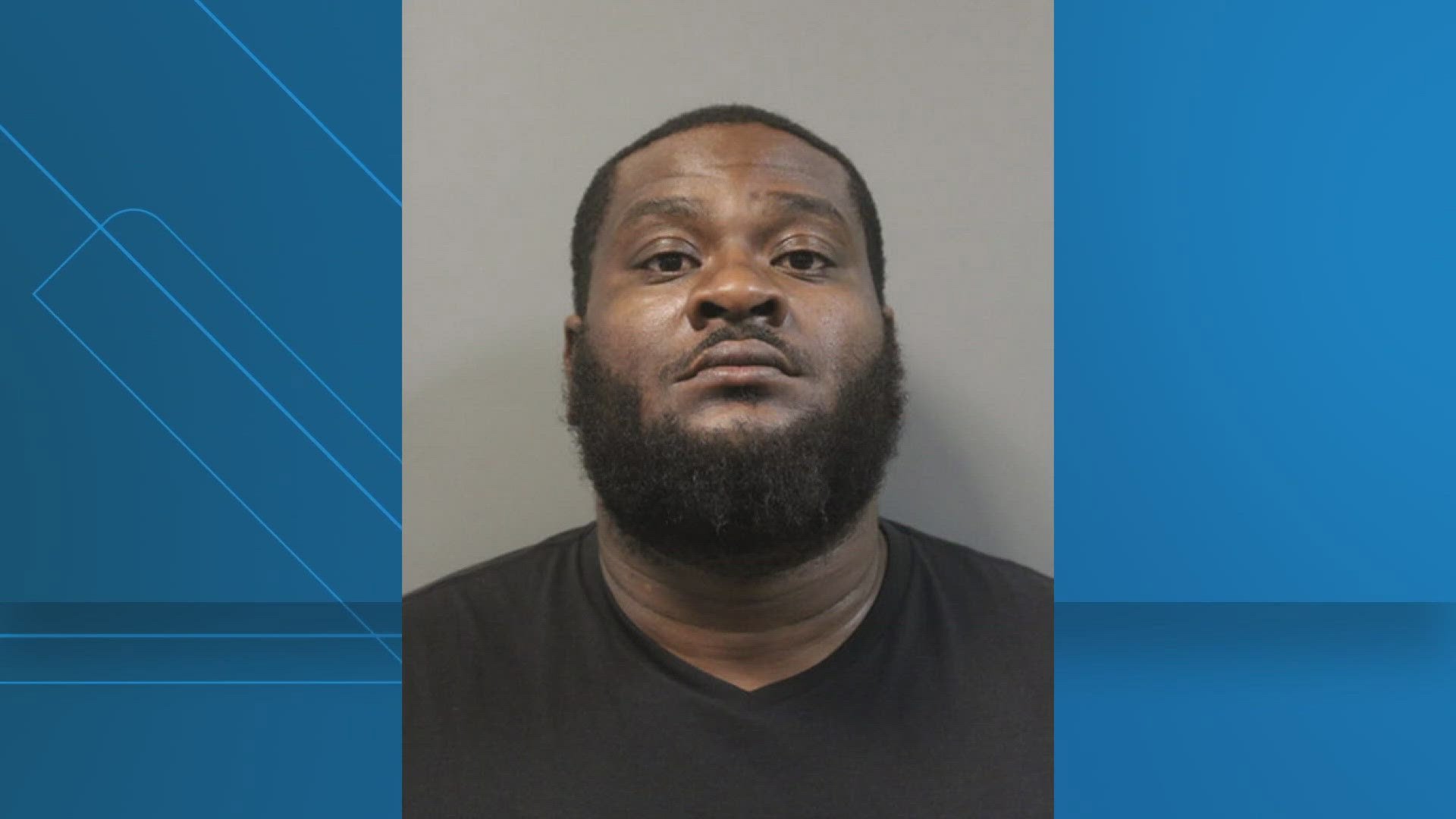 Charles Hundolo
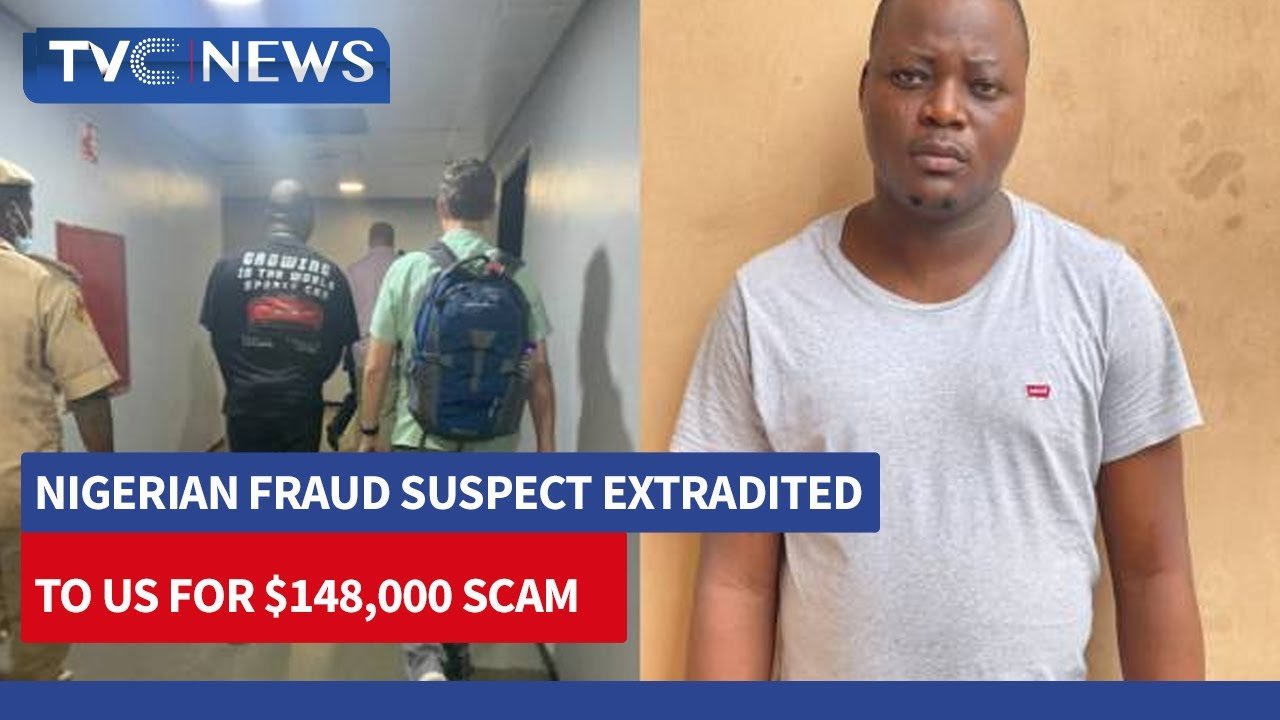 Ahiagbenyo Mawuli
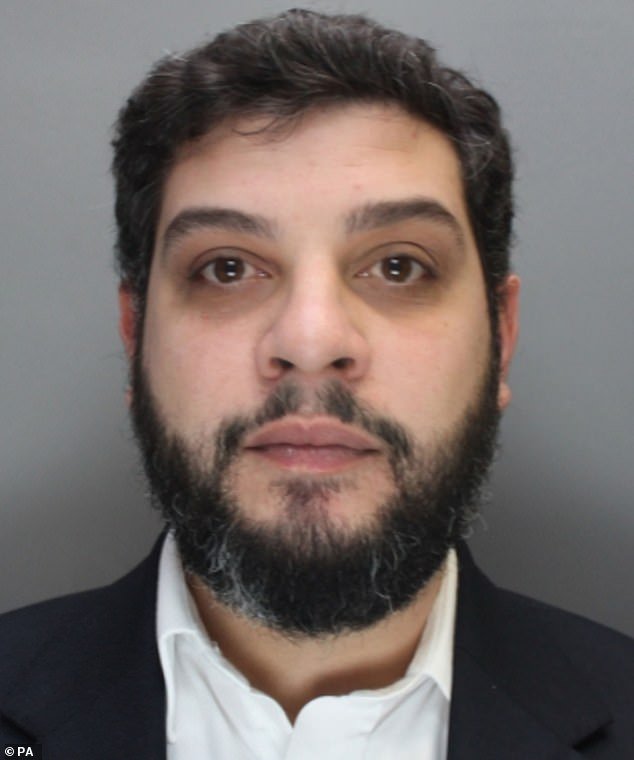 Mohammed Waris