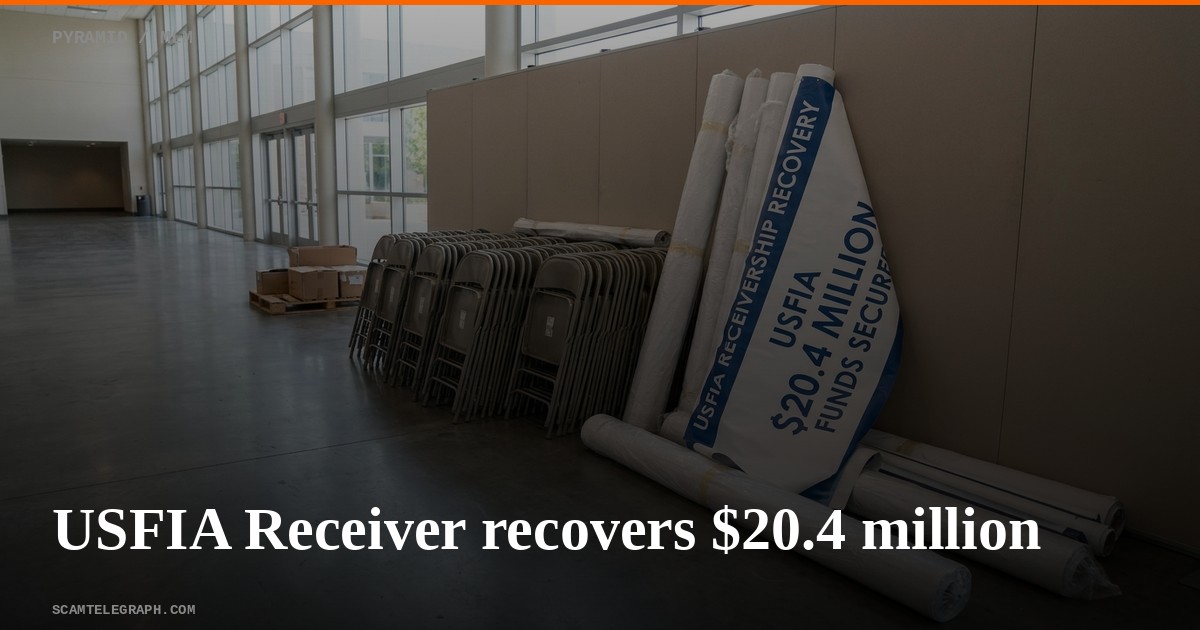
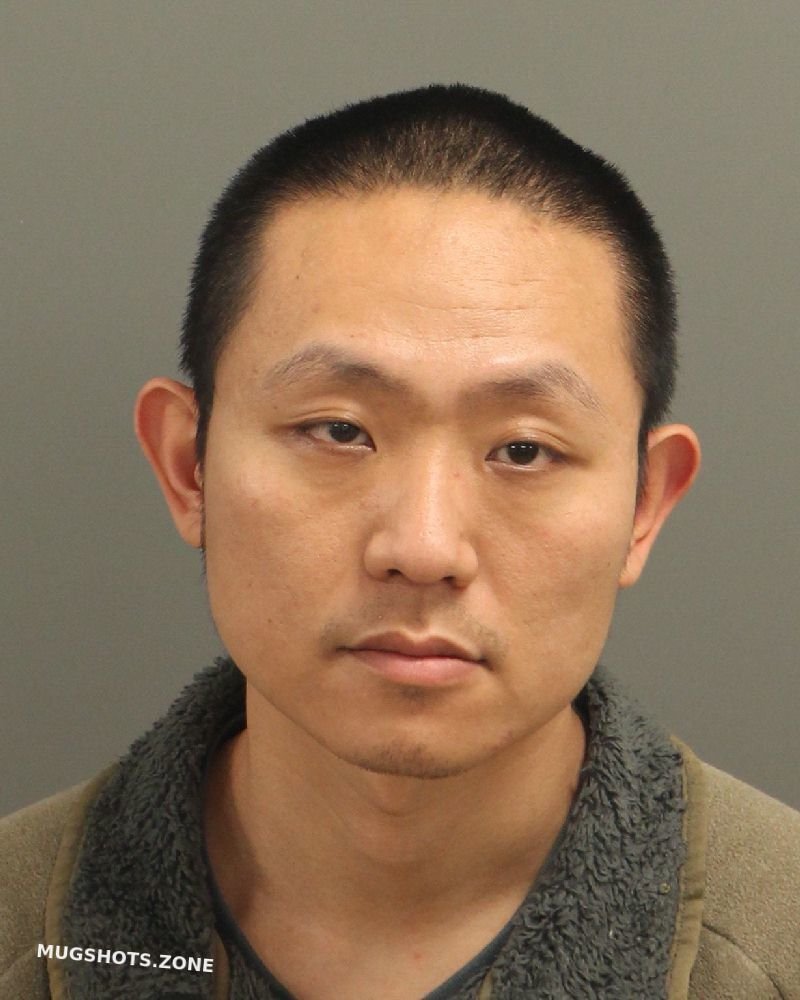
The U.S. Securities and Exchange Commission’s appointed receiver has recovered $20.4 million in assets stemming from the fraudulent USFIA Ponzi scheme. Thomas A. Seaman took control of the company’s holdings on September 29, 2015, after being appointed receiver by the SEC in its case against USFIA and its owner, Steve Chen.
Seaman’s authority extends to all assets and property managed by or in the possession of USFIA. The receiver is tasked with accounting for USFIA’s financial condition, locating and recovering assets, pursuing legal claims, and reporting findings to the court. He has already secured funds from frozen bank accounts, taken possession of real and personal property, and collected documents from various sources.
USFIA’s GemCoin operation, which the receiver’s preliminary investigation found lacked any legitimate business basis, appears to have been a classic Ponzi scheme. There is no indication of significant income streams beyond money raised from investors. Newly invested funds were simply shuffled to pay existing investors.
Claims of extensive amber mining operations in South America and billions in assets have also proven false. Documents gathered by the receiver suggest that the marketing materials describing vast mining operations, precious gems, and high-value rewards for investors were fabrications. Instead of valuable assets, investigators found costume jewelry and inexpensive rings of minimal worth.
The amber jewelry promoted by USFIA, described as having "limited intrinsic value," was significantly overvalued. A qualified gemologist determined that the amber, a material worth about $3 per gram wholesale, was used in pieces displayed in a company showroom with price tags in the tens of thousands of dollars. Additional inventory, also of very low value, was labeled with price tags reaching millions of dollars, apparently to lure investors.
The receiver’s report details the raid on USFIA’s Arcadia headquarters, an 18,000-square-foot building. During the takeover, approximately 40 to 50 individuals were present, including employees and subtenants. The receiver collected employee questionnaires and conducted interviews to gather essential employment and contact information.
The receiver's first report, filed November 13, 2015, outlined these preliminary findings and recommended actions. The SEC’s ongoing action seeks to recover funds for defrauded investors. Investors who believe they lost money to USFIA should consult the SEC’s website for information on the claims process.
 Troy Barnes
 Kristi Johnson
 Steve Chen