Unetenet, a scheme that combined pyramid recruitment with fraudulent investment returns, has resurfaced for a third time. The company first launched in 2013, offering affiliates recruitment bonuses alongside promised profits from "franchise" investments. By late 2014, Unetenet cited regulatory issues in Latvia as the cause for significant payment delays.
The scheme then pivoted, attempting a relaunch as a cryptocurrency venture. Affiliates were encouraged to invest in "Unetes," digital tokens pegged at $1 each. This move was a calculated effort to mask existing Ponzi liabilities, converting them into virtual points that held no intrinsic value. When investors tried to cash out their Unete holdings, Unetenet collapsed.
In mid-2015, a class-action lawsuit was filed by approximately 20,000 investors. They alleged that 22,000 victims had collectively lost around €50 million. Spanish authorities responded the following month by arresting twenty individuals associated with Unetenet. Raids on properties linked to the scheme resulted in the seizure of funds and assets. José Manuel Ramírez Marco, identified as the owner, was not among those arrested in Spain. Further arrests occurred in January 2016 in Bolivia, including Adrian Trigo, reportedly Unetenet's second-in-command.
Despite these multiple failures and law enforcement actions, Unetenet launched a new iteration last month. The current Unetenet Global website lacks any identifying information regarding ownership or management. Its domain, unetenetglobal.com, was registered on March 11th, 2016, using fabricated details.
José Manuel Ramírez Marco is widely believed to be orchestrating this latest incarnation, which appears to be targeting individuals in India. Current website traffic analysis indicates that 68% of visitors originate from India. This suggests either Marco is collaborating with Indian scam operators from previous ventures or former high-ranking Unetenet investors have established this new operation independently.
The promotional material for Unetenet Global is poorly written, with language suggesting a limited command of English. The company offers no retailable products or services. Instead, affiliates are instructed to market the Unetenet Global affiliate membership itself.
The compensation plan revolves around "advert packages" with guaranteed daily returns. A $100 "Mini Pack" promises $1 daily for 365 days, totaling $365. The "Pro Pack" at $500 offers $5 daily ($1825 total), while the $1000 "Premium Pack" claims $13 daily ($4745 total). The highest tier, the "Elite Pack" at $5000, purportedly yields $75 daily, accumulating to $27,375 over the year. Affiliates are required to promote these packages and recruit new members.
Victims seeking to report investment fraud can contact the U.S. Securities and Exchange Commission (SEC) at sec.gov.
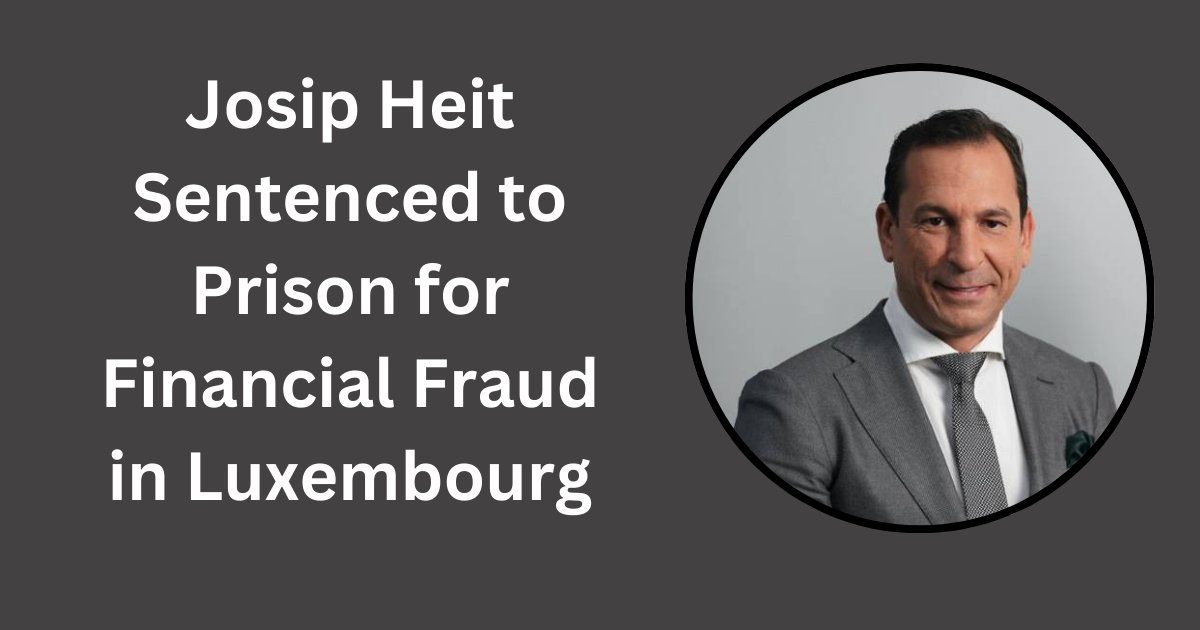 Josip Heit