Thai authorities arrested two men yesterday in connection with the uFun Club scheme, a transnational fraud operation that allegedly defrauded thousands of investors out of $307 million. Sub Lt Ritthidet Warong and Arthit Pankaew, associated with Ufun Store Co, were apprehended in Bangkok on embezzlement charges.
Police also raided a property in Bangkok’s Yothin Pattana area, believed to be owned by another suspect, Rattawit Titiarunwat, who remains at large. During this raid, authorities confiscated valuables and two sports cars. The whereabouts of Athiwat Soonpan, a figurehead promoted as a "Thai General" for uFun Club, are currently unknown.
The uFun Club, launched in 2014, operated by promising affiliates high returns on investments that reached up to $57,000 per package. The scheme utilized a points-based system tied to a digital currency called uToken. Investors were led to believe they would eventually see a positive return on investment.
In reality, the operation functioned as a classic Ponzi scheme. When investors attempted to cash out their uTokens, their payments were funded by money invested by new affiliates. This created a facade of profitability while siphoning funds from later participants to pay earlier ones.
Thai authorities estimate that at least 14,700 investors were involved in the scheme. Sub Lt Ritthidet Warong reportedly held a 51% stake in the company and was subject to an arrest warrant. Mr. Arthit Pankaew was also identified as a shareholder. Arrest warrants have also been issued for other executives and shareholders, including several Thai nationals and three individuals from Malaysia.
The investigation in Thailand was reportedly initiated after local citizens identified uFun Club as a fraudulent operation and filed complaints. These complaints escalated to higher levels of the Thai government, prompting Deputy Prime Minister Prawit Wongsuwon to order a thorough investigation and the swift apprehension of those involved.
The uFun Club allegedly lured individuals with promises of substantial profits. Victims reported being persuaded to purchase shares for an initial investment of 17,000 baht. Members were also incentivized to recruit more people, earning commissions for each new investor they brought into the scheme.
In addition to the uToken cryptocurrency deception, uFun Club also promoted an e-commerce portal. This venture served as an additional layer of misdirection, intended to obscure the fact that payments to withdrawing members were being made with funds from new investors. Authorities have accused the firm of fabricating details about a manufacturing facility for its merchandise, which supposedly included health and souvenir products. Investigations revealed that the purported factory was, in fact, a grocery store.
The Consumer Protection Police Division, the Office of The Consumer Protection Board, and the Anti-Money Laundering Office are collaborating with the police on this ongoing investigation. The company’s operating license has been revoked.
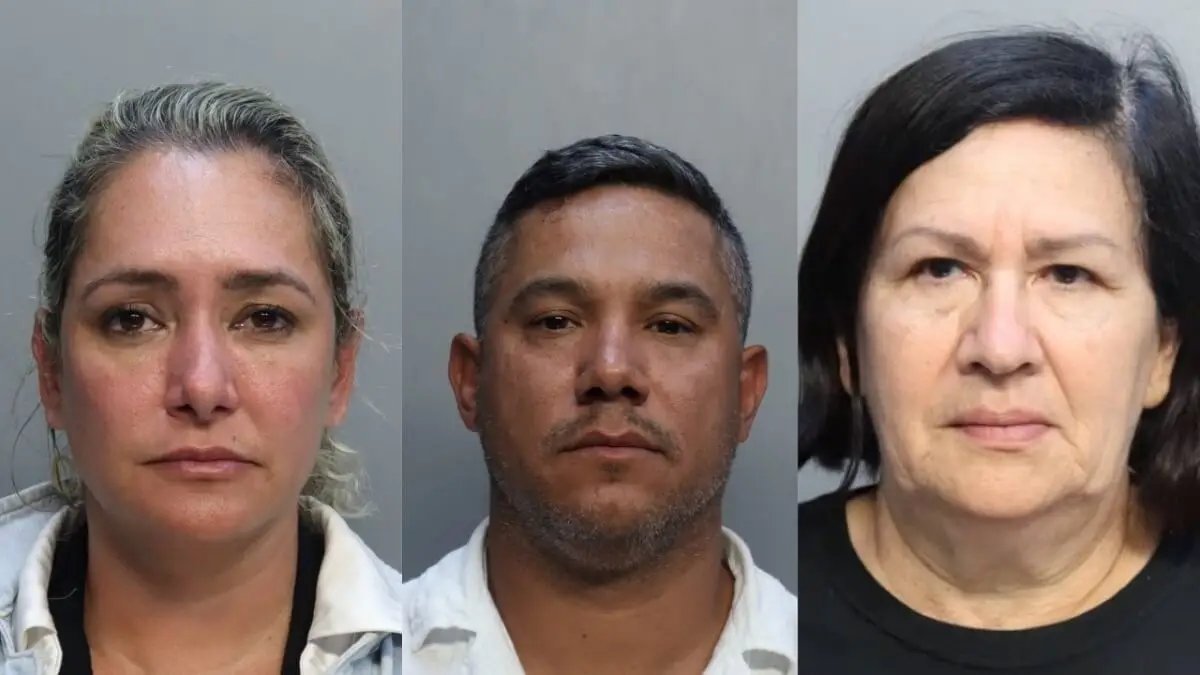 Arthit Pankaew
 Carlos Wanzeler
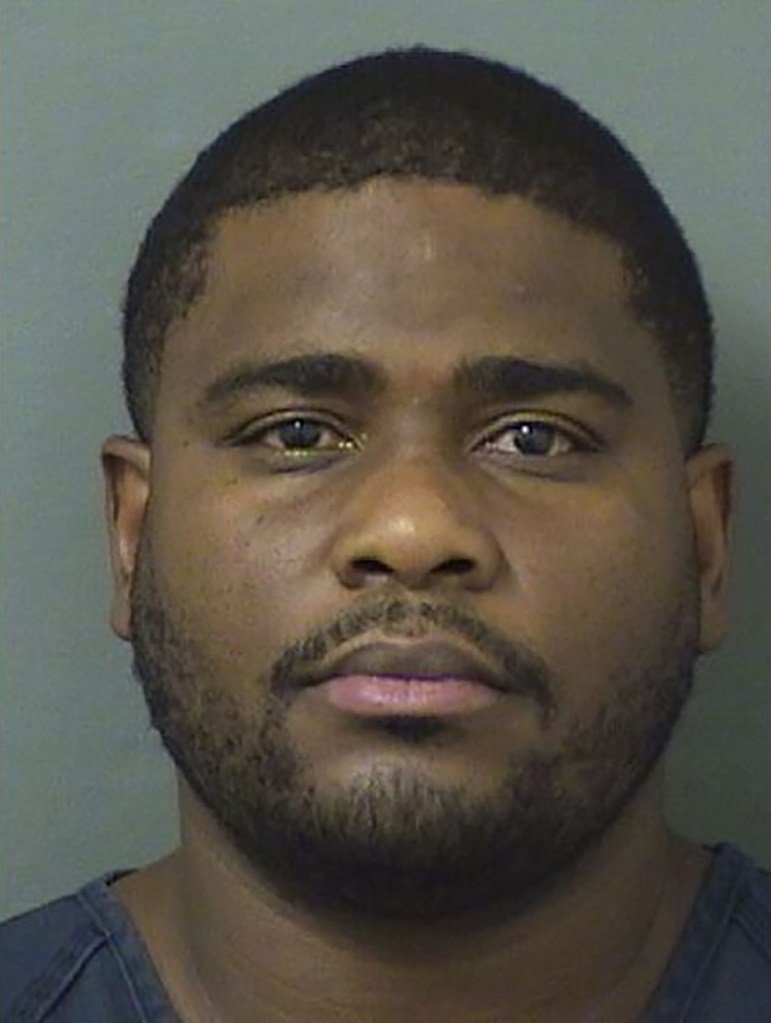 James Merrill