
A legal dispute over the Traffic Monsoon appeal has led the District Court of Utah to demand new filings by February 2, 2018. The court seeks clarity on the appointed Receiver's authority to represent the company in appellate proceedings. This development potentially impacts Charles Scoville's efforts to challenge the initial injunction against Traffic Monsoon.
The Securities and Exchange Commission (SEC) previously secured an injunction against Traffic Monsoon and its founder Charles Scoville, alleging the company operated an unregistered Ponzi scheme. The court appointed a Receiver to take control of Traffic Monsoon's assets, manage its operations, and work towards restitution for affected investors. The Receiver's duties extend to all legal matters involving the company, including defending against claims or initiating actions in the best interest of the estate and its creditors. Scoville's appeal aims to overturn this injunction and potentially regain control of the company, a move that conflicts directly with the Receiver's mandate.
Last October, the Receiver requested and received permission to submit an amicus brief in the ongoing Traffic Monsoon appeal before the Tenth Circuit. In that brief, the Receiver argued that Charles Scoville's appeal, filed on behalf of Traffic Monsoon, lacked the necessary approval from the Receivership. This, the Receiver contended, rendered Traffic Monsoon an improper party to the appeal, as the Receiver now legally controls the corporate entity. Under federal receivership law, the appointed Receiver typically holds exclusive authority to act on behalf of the company, including decisions regarding litigation.
The District Court of Utah, which initially appointed the Receiver, now faces a critical question. It must determine if the Receiver's attempt to remove Traffic Monsoon from the appeal process would deny the company its due process rights as a legal entity. The court's jurisdiction over this matter stems directly from its order appointing the Receiver, which defines the Receiver's powers and limitations. This clarification is necessary because the Receiver's mandate is to protect the interests of creditors and the estate, which often conflicts with Scoville's personal interests in appealing the injunction. If Traffic Monsoon is removed as a party, the scope and arguments of the appeal could significantly narrow, potentially weakening Scoville's position.
Charles Scoville opposes the Receiver's claim that Traffic Monsoon is not a proper party in the appeal. This opposition prompted the District Court to consider amending the most recent order appointing the Receiver. The proposed amendment would clarify the Receiver's specific duties and powers in relation to the legal action between the Securities and Exchange Commission, Traffic Monsoon, and Charles Scoville. The District Court must ensure that the Receiver's actions align with the legal framework governing receiverships and corporate representation in federal court, balancing the Receiver's authority with the legal rights of the corporate entity under receivership.
The Securities and Exchange Commission, Charles Scoville, and the Receiver must submit their respective briefings on these issues by the February 2nd deadline. A decision on the Receiver's role in the appeal is expected shortly after these submissions. The outcome could set a precedent for how corporate entities under federal receivership participate in appeals initiated by former management.
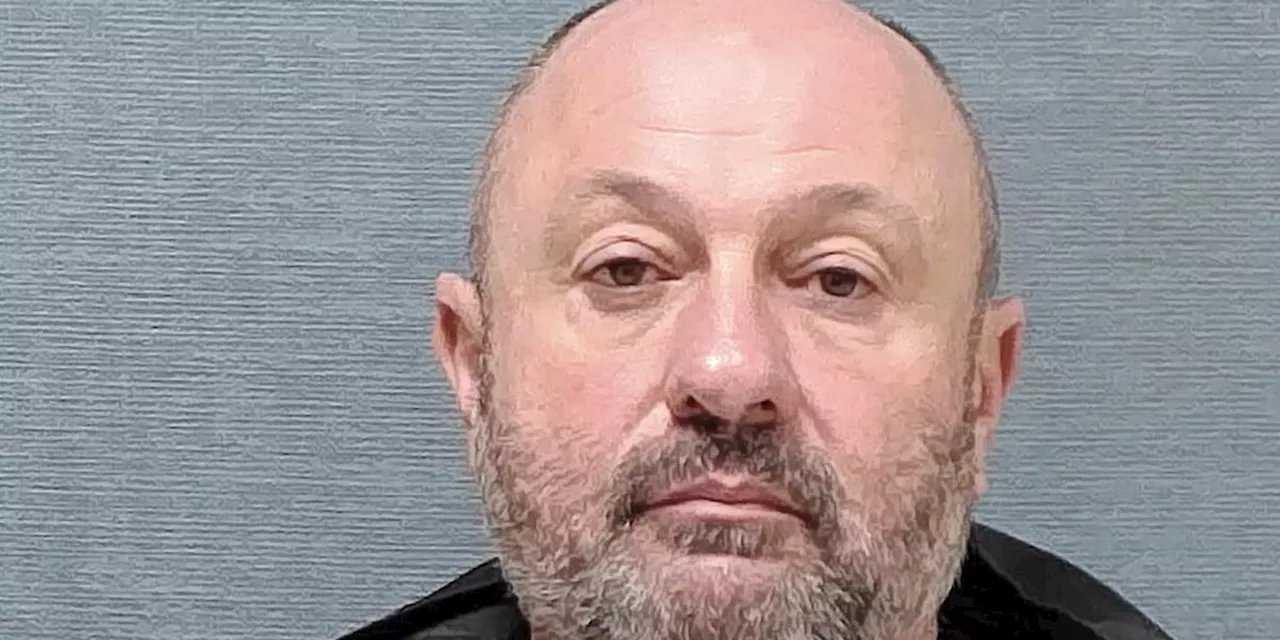 Charles Scoville