Kingsley Ezeude and Chukwuka Obi, who lost $2216 and $2238 respectively to the Traffic Monsoon Ponzi scheme, had their lawsuit against PayPal put on hold November 15. The investors claim PayPal knowingly processed payments for the fraudulent operation.
Judge Koh ordered the stay, halting all proceedings. This action aligns with a previous court order in the Securities and Exchange Commission’s case against Traffic Monsoon. The SEC alleges the scheme defrauded investors of $237 million.
Ezeude and Obi sued PayPal in May. They alleged the payment processor was aware Traffic Monsoon was a Ponzi scheme. The investors claim PayPal facilitated the commingling of funds and the payment of existing investors with money from new participants. This method is a hallmark of Ponzi operations.
PayPal responded to the lawsuit with a Motion to Dismiss and a Motion to Stay. Judge Koh’s ruling to stay the case stems from a broader litigation freeze issued in the SEC’s parallel proceedings. This freeze applies to any court action against Traffic Monsoon or its owner, Charles Scoville, when the SEC is not a direct party. Such lawsuits must also seek to recover assets previously frozen by court order.
The court order specifically enjoins parties in such litigation from taking further action. It also prohibits courts from permitting any progress in these cases until further notice. Ezeude and Obi’s lawsuit fits these criteria. It does not involve the SEC and aims to recover funds frozen as part of the scheme’s assets.
Judge Koh noted that the SEC’s case against Traffic Monsoon remains unresolved. The investors’ suit alleges PayPal aided and abetted Scoville’s fraud by acting as the payment processor. However, the court reasoned that if Scoville is found not liable for fraud, PayPal cannot be held liable for aiding and abetting that fraud. Therefore, the liability of Scoville and Traffic Monsoon must be determined first.
The court referenced emails exchanged between PayPal and the SEC. These communications suggested the SEC intended to object to any discovery requests made in the PayPal lawsuit. This intention was noted in relation to a stay order previously issued by a Utah court.
The proceedings in the Ezeude and Obi case are now stayed. This pause will continue until the Tenth Circuit rules on Scoville’s interlocutory appeal and the Utah court’s stay order is lifted. The case itself has not been dismissed. Given that Ezeude and Obi are likely to recover funds through the receivership if Scoville’s appeal fails, the path forward for their lawsuit appears uncertain.
It is possible PayPal could be held liable for facilitating the fraud. In such an event, the court-appointed receiver might pursue PayPal for any profits made. This potential action could again nullify separate proceedings against PayPal.
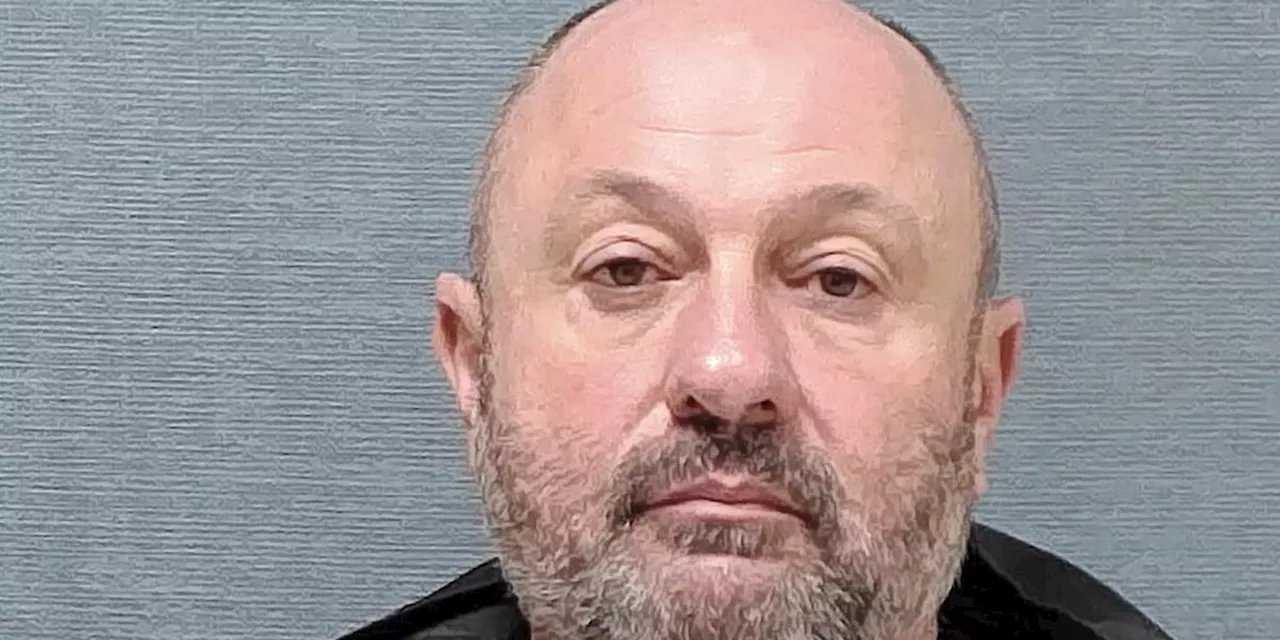 Charles Scoville