ScamTelegraph reports that Brazilian authorities have uncovered a sophisticated money laundering operation within TelexFree, a pyramid scheme, primarily utilizing shell companies registered to family members of its management. This revelation stems from recent police reports detailing the scheme's illicit financial activities.
Brazilian police initiated an inquiry into TelexFree's management for alleged crimes against the economy and money laundering in June 2013. That same month, a crippling injunction in the state of Acre effectively halted TelexFree's operations in Brazil. Subsequent investigations in Rwanda and hints from payment processor i-Payout also suggested broader money laundering connections.
The inner workings of TelexFree's Brazilian money laundering operations were recently illuminated by a police report filed in Espirito Santo. The primary method involved shell companies, often registered under the names of family members of TelexFree management and trusted inner-circle individuals. These entities, referred to as "oranges" in Brazil, were used as shills to squander millions through the internet.
Evidence collected during "Operation Orion" in July, which involved raids on TelexFree offices, uncovered documents such as social contracts, invoices, and bank statements related to these previously unknown businesses. The investigation initially targeted five companies and eight individuals, including TelexFree members Carlos Wanzeler and Carlos Costa, but the number of indicted participants is expected to increase.
Carlos Costa's family appears deeply involved in these operations. Two companies, Agrofruta of Brazil Foods, a candy production corporation, and Brazil Factoring, were registered in the name of his daughter, Leticia Costa. A police report highlighted Agrofruta's suspicious banking operations, benefiting entities related to the investigated individuals. Costa's wife, Jozelia Sangali, served on Agrofruta's supervisory board alongside other identified TelexFree affiliates.
Further investigations revealed that Flávio and Fabio Arraz led a TelexFree-related construction company network, integrated with Agrofruta employees and interns from the law firm Costa & Fuchs, which represented TelexFree. Leticia Costa's financial declarations showed a disparity between her available income and the millions in capital paid by the two businesses. Brazil Factoring, linked to alleged payments by TelexFree's Brazilian arm Ympactus, shared an office address with Costa & Fuchs, a detail the law firm's attorney declined to elaborate on.
TelexFree's lawyers have downplayed the family involvement and denied that Agrofruta and Brazil Factoring were shell companies used for money laundering. Judge Ayton Junior Bonomo of the 1st Federal Criminal Court of Victoria has decreed the blocking of financial assets for at least two companies to investigate potential money laundering and asset concealment. The criminal investigation is expected to conclude by mid-November, with more details to be released.
Brazilian and American regulators are collaborating, sharing collected evidence to bolster their respective cases against TelexFree and its owners, Carlos Wanzeler and James Merrill. Brazilian agents are also focusing on identifying TelexFree affiliates who continued to register and invest in Brazil after the June 2013 injunction, noting that these individuals will face increased difficulty in recovering their invested funds.
What was the primary method TelexFree used for money laundering in Brazil?
TelexFree primarily laundered stolen investor funds in Brazil through shell companies. These entities were often registered in the names of family members of TelexFree management and close associates, acting as "oranges" or shills to conceal illicit financial transactions.
Which key individuals were implicated in TelexFree's money laundering operations?
Key individuals implicated include Carlos Costa, a TelexFree director, along with his daughter Leticia Costa and wife Jozelia Sangali. Other individuals, such as Flávio and Fabio Arraz, were also linked through a network of construction companies.
What was "Operation Orion"?
"Operation Orion" was a Brazilian federal police operation in July that conducted raids on TelexFree offices and related properties. It led to the seizure of documents that revealed the inner workings of TelexFree's money laundering through previously unknown businesses.
How are US and Brazilian authorities collaborating on the TelexFree case?
Brazilian and American governments have agreed to share collected evidence due to the global nature of TelexFree's financial fraud. Brazilian agents traveled to Boston to exchange information, which will bolster both countries' respective cases against TelexFree and its owners.
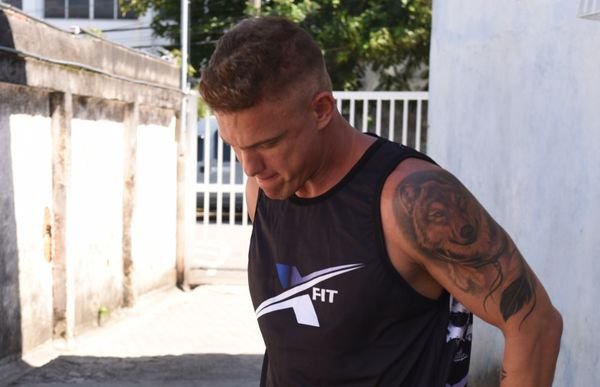 Carlos Wanzeler
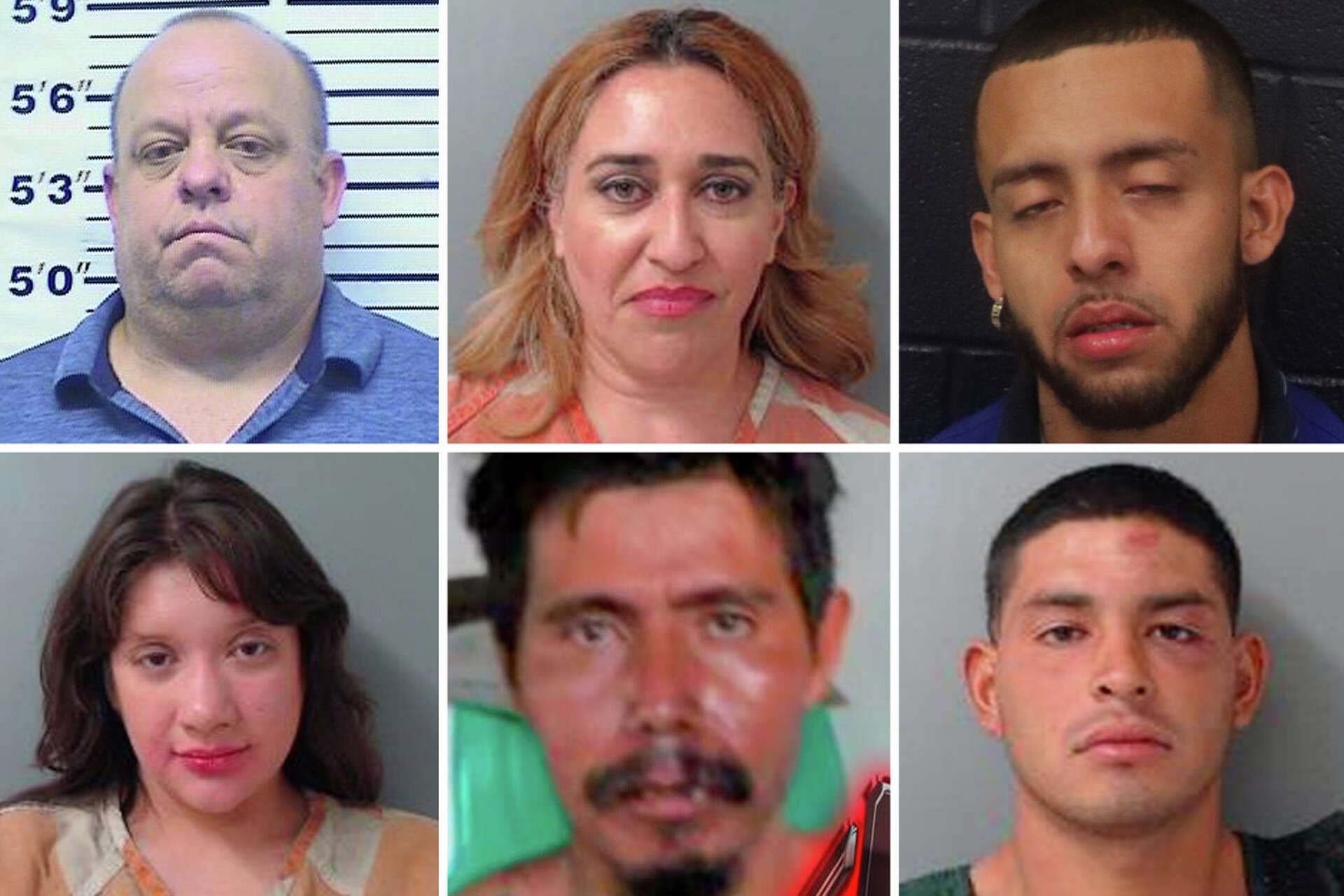 Carlos Costa
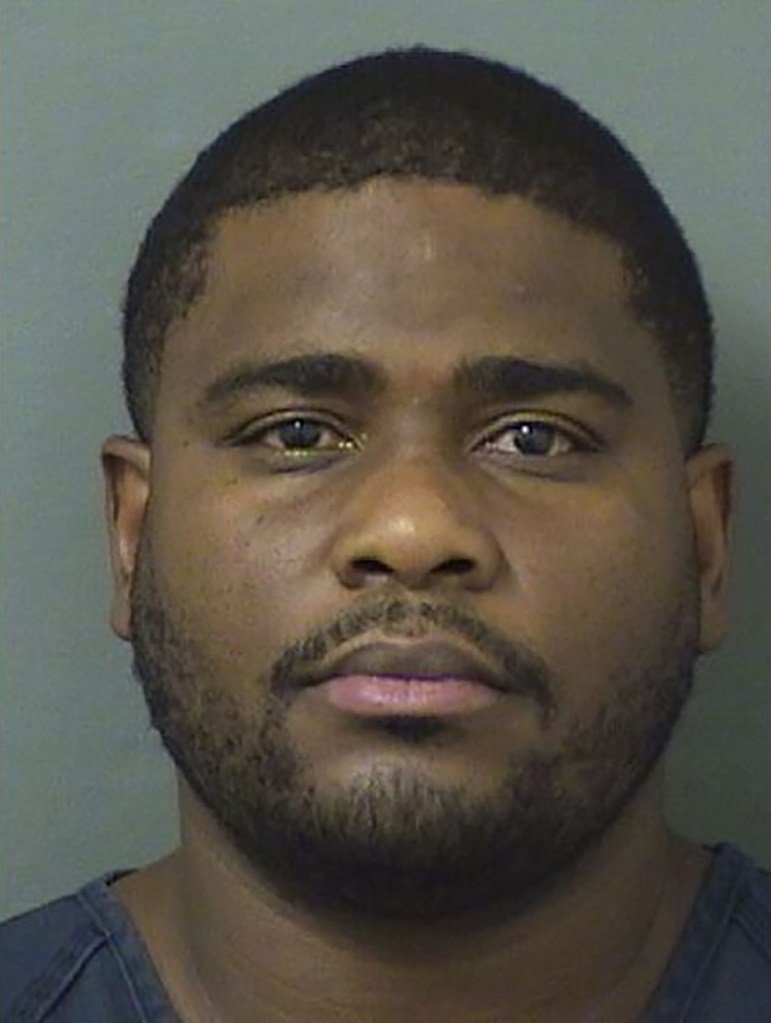 James Merrill