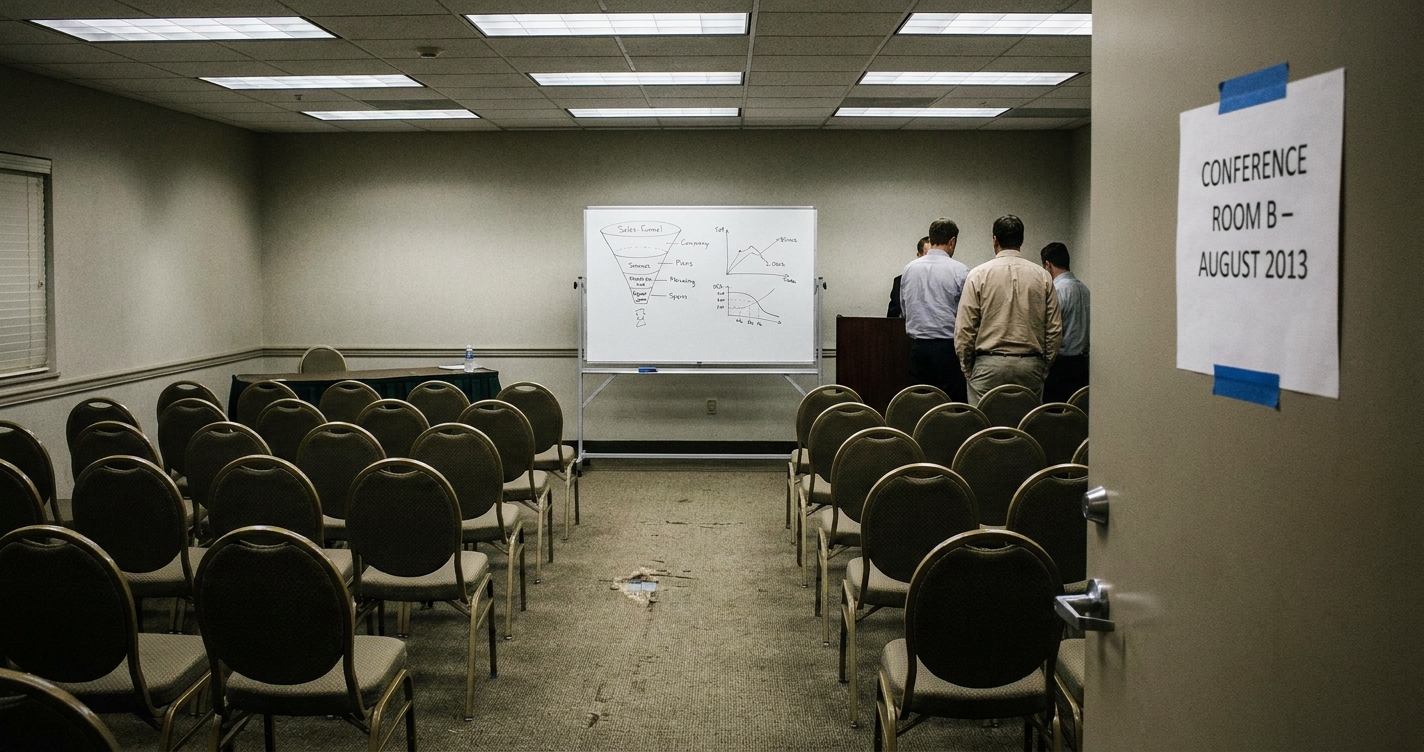
ScamTelegraph has learned that TelexFree, despite public denials, was advised by attorney Jeffery Babener in August 2013 that its business model constituted a pyramid scheme. This internal legal warning came months after the company's operations were halted in Brazil.
TelexFree, operating under the name Ympactus, faced an injunction in Brazil in June 2013, effectively shutting down its activities in the state of Acre. Following this regulatory action, TelexFree owner Carlos Wanzeler, now a fugitive, publicly assured affiliates that the company was legitimate, stating, "Nothing will affect the US. Please continue your continued dedication, this company will persevere." Co-owner Carlos Costa continues to maintain the company's legitimacy despite evidence to the contrary.
The company employed a consistent Ponzi business model in both Brazil and the United States, raising significant questions about its legal standing in the US. Unbeknownst to the public at the time, US regulators, specifically the SEC, had initiated investigations into the scheme as early as April 2013.
While the SEC quietly proceeded with its investigation, TelexFree management actively sought legal opinions to clarify the legal status of its business model in the United States. The company had already retained attorney Gerry Nehra of Nehra & Waak, who, in February 2013, demanded the removal of an analysis of TelexFree published by BehindMLM.
New information regarding TelexFree's legal consultations emerged from a recent filing by court-appointed Chapter 11 Trustee Stephen Darr. Darr disclosed these details in an opposition to fee payments sought by the law firm Gordon Silver, which had represented TelexFree in efforts to circumvent regulatory action through bankruptcy proceedings.
In August 2013, Jeffery Babener of Babener & Associates, an attorney retained by TelexFree who reportedly possessed extensive experience in multi-level marketing, formally advised the company that its business plan was indeed a pyramid scheme. Despite this explicit legal counsel, TelexFree continued its operations without modification.
During the same period in August 2013, Gerry Nehra offered TelexFree his "legal blessing," indicating his opinion that the enterprise was legitimate, a stance that diverged from Babener's assessment. Following these conflicting legal opinions, TelexFree engaged two additional legal entities in late summer or early fall of 2013.
The Sheffield Group, a consulting firm specializing in multi-level marketing, was retained with the stated purpose of revising TelexFree's business plan to ensure compliance with applicable laws. Concurrently, the company also brought on Robert Weaver, an attorney known for his expertise in white-collar crime, further signaling attempts to navigate its complex legal challenges.
Was TelexFree legally operating in Brazil in 2013?
No. TelexFree, operating as Ympactus, was shut down in Brazil via injunction in June 2013 by authorities in the state of Acre due to concerns about its business model.
What did TelexFree's owners claim about the company's status?
TelexFree owners Carlos Wanzeler and Carlos Costa consistently denied pyramid scheme allegations, claiming the company was legitimate and operating normally, insisting that news reports were false and that operations would continue unaffected in the United States.
What internal legal advice did TelexFree receive in 2013?
In August 2013, attorney Jeffery Babener advised TelexFree that its business plan constituted a pyramid scheme. However, another attorney, Gerry Nehra, provided a "legal blessing" to the company in the same month, offering a conflicting opinion.
How did TelexFree respond to regulatory scrutiny?
Despite an injunction in Brazil and internal legal advice identifying its model as a pyramid scheme, TelexFree continued operations. The company also retained multiple law firms and a consulting firm to address its legal challenges and ostensibly revise its business plan for compliance.
 Carlos Wanzeler
 Carlos Costa