
Jay Noland’s attempt to have the Success By Health preliminary injunction overturned has been denied.
In favor of dissolving the injunction, Noland had argued that a yet to be heard Supreme Court case meant previous Ninth Circuit rulings could no longer be considered “good law”.
As per the October 27th order, the court wrote it had
‘already addressed (and rejected) these arguments in earlier orders.’
This Court is bound to follow existing Ninth Circuit law, which allows the FTC to seek an asset freeze, and may not disregard that binding precedent based on guesses about future Supreme Court decisions.
The court also upheld it’s previous findings;
the FTC was likely to succeed on two different theories of liability: first, that SBH was operating as an illegal pyramid scheme; and second, that “Defendants violated 15 U.S.C. § 45(a) by misrepresenting the income potential of SBH affiliates”
Additionally, the Court rejected the Individual Defendants’ argument “that a receiver and an asset freeze are unnecessary,” finding that “extensive injunctive relief is necessary to protect consumers from further harm.”
The court rejected the Success By Health defendant’s attempt to “undermine” the findings.
One argument put forth by the Success By Health defendants is sales volume is roaring post Receivership (emphasis mine).
Individual Defendants cannot rely on evidence of prereceivership sales growth as their basis for seeking dissolution or modification of the preliminary injunction.
As for how SBH has fared since the receivership came into effect, the Individual Defendants are wrong about the facts.
In the introduction to their motion, the Individual Defendants assert that “[p]roduct sales are steady, voluminous, and growing.”
However, the sole evidence of post-receivership sales growth cited in the motion is the Receiver’s August 2020 status report.
That report characterized SBH’s product sales as “steady if not voluminous” and then provided the actual sales figures.
Those figures reveal anemic daily sales and weak demand for SBH’s products.
As for sales since the Receiver resumed sales activity in May 2020, the FTC has submitted undisputed evidence establishing that SBH “sold $66,558 of product during the period of May 11 through September 15, 2020,” consisting of “a total of 212 orders . . . placed by 120 unique customers.”
This works out to sales of only $524 per day.
The evidence, in short, suggests that
demand for SBH’s products has evaporated since the Receiver eliminated the recruitment incentives
that were in place when the Individual Defendants were operating SBH.
Daily revenue from product sales has decreased by approximately 94%.
Ouch. You can’t argue with cold hard figures.
One interesting revelation is Noland arguing he in fact is a multi-millionaire, based on the hope he’d recover $45 million through a pending
‘case “on appeal”‘
.
Noland’s case was dismissed in August 2020 by the Ninth Circuit, leaving Noland with a “neg
🤖 Quick Answer
What was the outcome of Jay Noland's appeal against the Success By Health preliminary injunction?The court denied Noland's attempt to overturn the preliminary injunction. The judge rejected his argument that pending Supreme Court cases invalidated prior Ninth Circuit rulings, stating the court must follow existing binding precedent allowing the FTC to seek asset freezes regardless of potential future decisions.
On what grounds did the FTC pursue legal action against Success By Health?
The FTC pursued two distinct theories of liability against Success By Health. The first alleged the company operated as an illegal pyramid scheme. The court determined the FTC was likely to succeed on both theories presented in the case.
🔗 Related Articles
- FTC seeks NetForce contempt judgment + civil sanctions
- FTC denied Netforce Seminars contempt sanctions
- Jay Noland dodges NetForce contempt sanctions… for now
- Success by Health defendants sanctioned for deleting evidence
- Success By Health “fabricated evidence”, alleges FTC
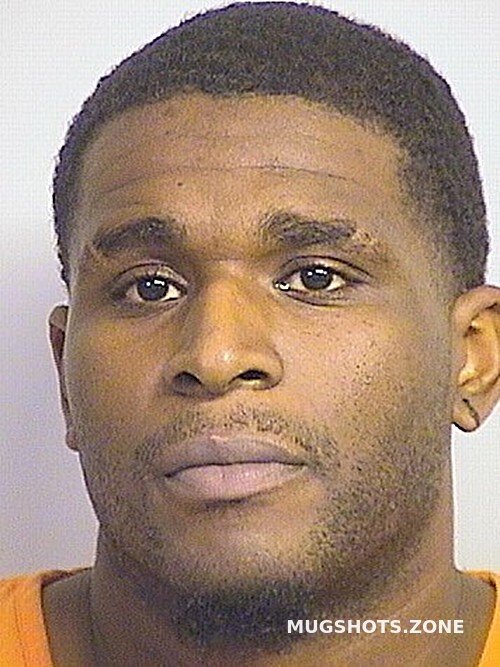 Jay Noland