
A federal judge has undisputed evidence that Steve Chen ran a pyramid scheme through his company USFIA, according to the SEC's latest court filing.
The stakes are simple: Chen claimed his company sold legitimate amber products mined in the Dominican Republic. The SEC says that's a lie. The amber was window dressing. The real scheme was getting people to invest money and recruit others to do the same.
Chen filed his opposition to the SEC's summary judgment motion in November. He leaned heavily on witness testimony from three USFIA investors: George Mo, Chenyu Chen, and Jason Ning. The SEC tore into him on November 14th, accusing him of systematically distorting what these witnesses actually said.
Take George Mo. Chen claimed Mo testified that he bought amber. Here's what really happened: Mo invested $10,000 with USFIA. His lawyer had to correct the interpreter mid-testimony. "He didn't say that he bought the amber. He invested the money," the lawyer stated. Mo agreed: "That's right. I just made an investment, not 100—$10,000 worth of amber."
When pressed about the amber that came with his investment, Mo was blunt. He expected to get rich from his membership. He was told his money would increase 64 times over. The amber? A gift.
Chen also pointed to Chenyu Chen as proof people were buying amber. The SEC says Chen misread even this evidence. The receipt Chen waves around wasn't for amber at all—it was a receipt for GemCoins, the digital currency at the heart of the scheme.
Then there's Jason Ning. Chen quoted exactly five lines from a two-and-a-half-page interview and redacted the rest. The full interview tells a different story: Ning told police that investors made money by recruiting new investors. They earned points or GemCoins based on recruitment. That's the textbook definition of a pyramid scheme.
Chen also cited Michael Liu to claim USFIA members genuinely wanted the amber. According to the SEC, Liu testified he was promised 100,000 units in USFIA convertible into company shares at an IPO. The $7,000 worth of amber he received? A reward. More importantly, Liu testified he got paid cash for recruiting other investors.
The pattern is clear across all four witnesses. None of them were buying amber. They were making investments with promises of massive returns. They were getting paid to recruit. The amber was incidental—either a gift or a reward or window dressing.
Chen's opposition to the SEC motion relied entirely on cherry-picking testimony and ignoring what these witnesses actually said about how USFIA worked. The SEC has now filed its reply brief showing Chen distorted the record systematically and repeatedly.
The evidence doesn't support Chen's defense. It supports the SEC's fraud charges.
🤖 Quick Answer
What allegations does the SEC make against Steve Chen?The SEC alleges that Steve Chen operated a pyramid scheme through his company USFIA, claiming the amber product sales were fraudulent. The scheme allegedly involved recruiting investors to contribute money and recruit additional participants, rather than legitimate product distribution.
What evidence supports the SEC's pyramid scheme claim?
Federal court filings contain undisputed evidence demonstrating the pyramid scheme operation. The SEC contends that Chen's witness testimony from USFIA investors was systematically misrepresented, with Chen distorting statements to support his legitimate business defense.
How did Chen defend against the SEC allegations?
Chen filed opposition to the SEC's summary judgment motion in November, relying primarily on witness testimony from three USFIA investors: George Mo, Chenyu Chen, and Jason Ning, to support his claims of legitimate amber sales operations.
🔗 Related Articles
- USFIA investors encouraged to contact Arcadia Police Dept
- Chen fighting SEC on monetary relief (USFIA)
- Degen Protocol collapses, GOAT token Ponzi reboot
- D&L Goodybag Review: Goodybags with pyramid recruitment
- Chinese govt to keep $4.2 billion in seized Plus Token funds
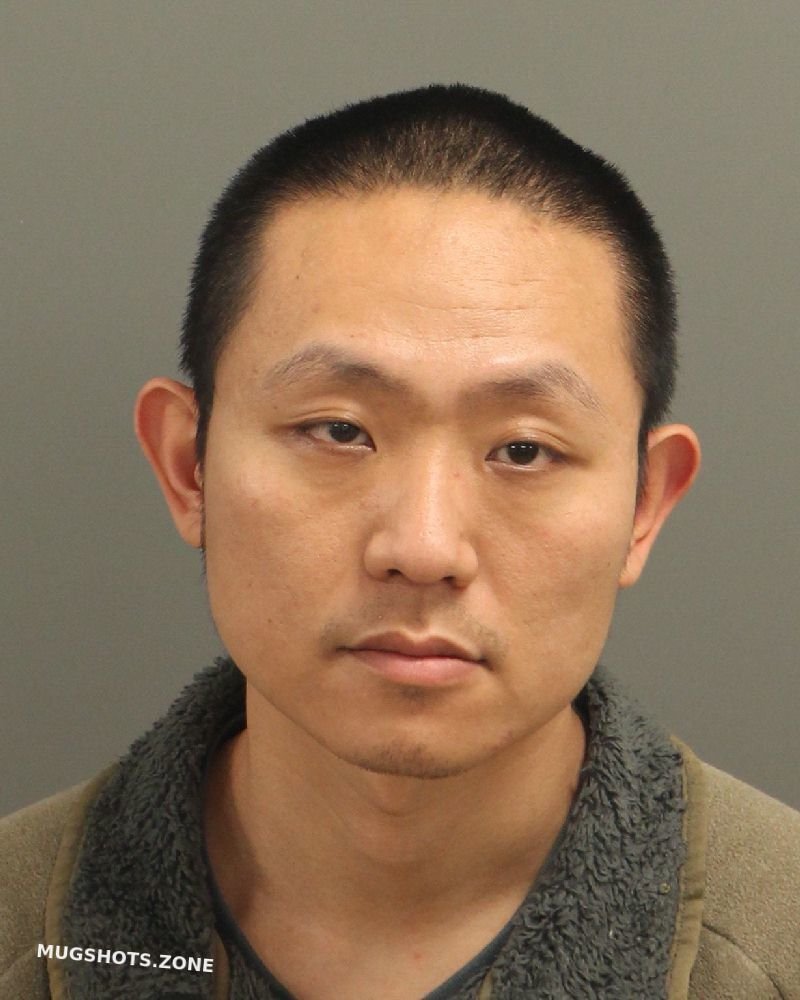 Steve Chen