
Federal regulators are pushing to move TelexFree's Chapter 11 bankruptcy case from Nevada to Massachusetts, arguing the company deliberately filed in the wrong jurisdiction. The SEC claims TelexFree chose Nevada on a Sunday night, hoping to evade scrutiny from Massachusetts courts already investigating the operation.
The SEC states TelexFree's Nevada presence amounts to nothing more than a rental office space. The company conducts virtually no legitimate business there beyond recruiting participants into what regulators describe as a fraudulent scheme. The true operation sits in Massachusetts, controlled by owners James Merrill and Carlos Wanzeler, who live in the state and are considered the company's nerve-center.
Massachusetts provides the proper venue for six reasons, according to the SEC. Nearly all of TelexFree's creditors, the affiliate-investors who lost money, live outside Nevada. All company employees work in Massachusetts. Its physical assets, apart from the single rental office, are located in Massachusetts. Witnesses needed to administer the estate also reside in Massachusetts.
A coordination problem exists with the current filing. The SEC filed complaints in Massachusetts District Court that cover more ground than the narrow Nevada bankruptcy filing. If fraudulent transfer cases get filed against individuals named in those complaints, a Nevada bankruptcy court would need to coordinate with the Nevada District Court on any final orders. This process would be inefficient and cumbersome.
A Massachusetts bankruptcy court, by contrast, could work directly with the Massachusetts District Court where the complaints already sit. This would allow the process to move faster and cost less.
The SEC also points to a darker possibility. If TelexFree gets liquidated, which regulators expect, a receivership will likely become necessary. Liquidating a scheme of this size and complexity would run more smoothly under Massachusetts jurisdiction than Nevada, where the company holds virtually no actual presence.
The filing itself reveals the company's intent. TelexFree knew the Massachusetts Securities Division was investigating. The company also knew the SEC was looking into its affairs. It then rushed to file bankruptcy in Nevada on a Sunday night, attempting to slip under the radar of courts that already understood the scheme.
The SEC views this as transparent forum shopping designed to sidestep justice. They ask the court not to reward this maneuver.
 Carlos Wanzeler
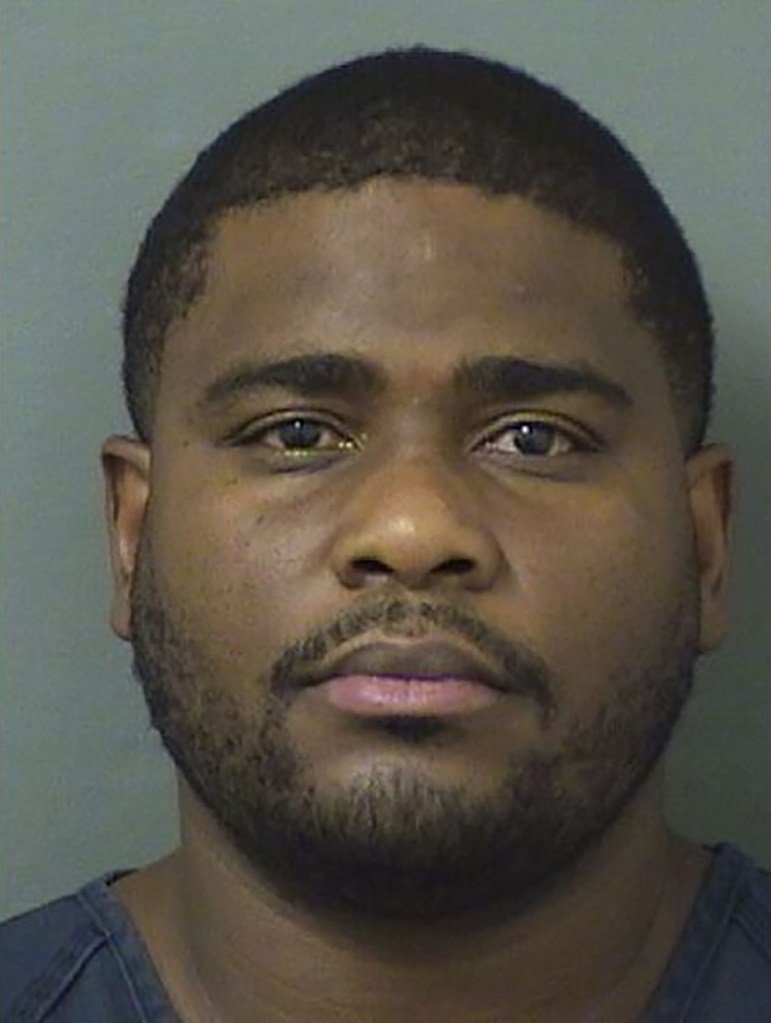 James Merrill