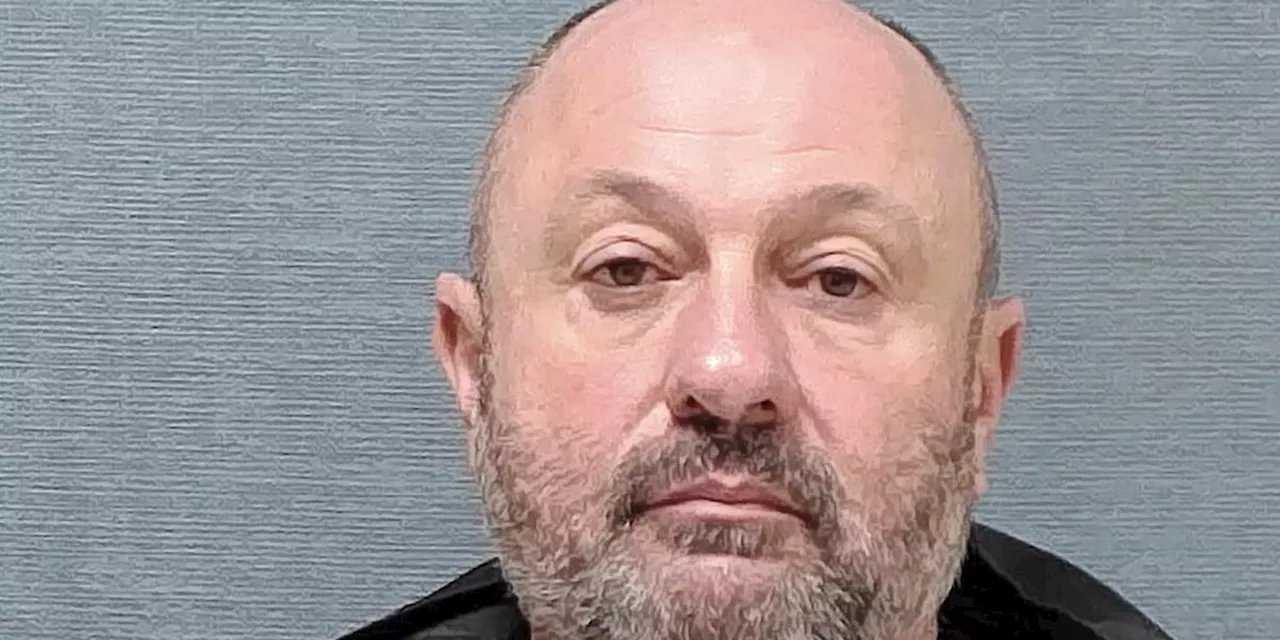
Charles Scoville is doubling down. In a September 23rd filing, the Traffic Monsoon operator claims the SEC's push for a preliminary injunction against him is overreaching. His defense reads like a familiar playbook: AdPacks aren't securities, buyers weren't investors, and there's no Ponzi scheme here.
But Scoville introduced a novel argument that reveals the weakness in his position. He's suggesting the SEC should back off because roughly 90 percent of Traffic Monsoon's customers lived outside the United States. If the AdPacks weren't sold on a U.S. exchange and didn't involve domestic transactions, he argues, then U.S. securities laws don't apply to those foreign sales.
It's a stretch that contradicts years of SEC precedent.
The agency has successfully shut down international Ponzi operations without hesitation. TelexFree operated primarily in Brazil and the Dominican Republic. WCM777 and USFIA targeted Chinese victims. Zeek Rewards drew followers across the globe. In every case, the fact that most victims lived abroad didn't shield the operators from U.S. regulators. Where investors happen to live has never mattered when the scam has domestic ties.
And Traffic Monsoon had plenty of those ties. Scoville is an American citizen. The scheme actively solicited investment from U.S. residents and maintained U.S. bank accounts. That's enough for the SEC to move forward. The agency even had phone conversations with Scoville while he was in the United Kingdom—proving they knew exactly where he was operating from.
The geography argument also crumbles under another fact: Scoville himself was in the U.K. when these transactions occurred. If both the seller and the purchaser operated outside U.S. borders, Scoville's new lawyer suggests U.S. securities laws shouldn't apply. That reasoning would create a roadmap for fraud: simply operate offshore and you're untouchable, so long as you're not physically in America.
Facing a judge who understands what an injunction actually prevents—the continued scamming of victims—Scoville offered a backup plan. He proposed the court could, at minimum, limit any injunction to just U.S.-based solicitations. Keep the machine running overseas. Stop it only where American law reaches.
No reasonable judge would accept that compromise. Once you've been caught running a Ponzi scheme, asking to continue it in a different jurisdiction isn't a legal defense. It's an insult to the court's authority.
The SEC's case looks solid. Scoville's opposition looks desperate.
🤖 Quick Answer
What is Charles Scoville's main defense against the SEC's preliminary injunction request?
Scoville argues that AdPacks are not securities, purchasers were not investors, and no Ponzi scheme exists. He contends that since approximately 90 percent of Traffic Monsoon's customers were located outside the United States and transactions were not conducted on U.S. exchanges, American securities laws should not apply to these foreign sales.
How does the SEC typically respond to jurisdictional arguments in international fraud cases?
The SEC has established extensive precedent successfully prosecuting international Ponzi schemes regardless of transaction location or customer residence. The agency maintains that U.S. securities laws apply to schemes targeting American investors or utilizing U.S. infrastructure, regardless of where individual transactions occur.
🔗 Related Articles
- Scoville reveals Ernie Ganz keeping Traffic Hurricane Ponzi funds
- NRGY launches second Ponzi shitcoin, NRGYGO
- SEC confirms cryptocurrency MLMs are securities offerings
- Meta Bounty Huntresses: MBH’s 2nd round of securities fraud
- SEC sues top Zeek Rewards promoter Trudy Gilmond
 Charles Scoville